Nine west-coast beaches on one island, measured rather than described. Which is calmest, which is loudest, which is walkable and which needs a car, with four years of wave height behind every card and a page of its own for each.
Researched & fact-checked by our editors · Updated 28.08.2026
Phuket has nine beaches worth the name along its west coast, and the guides that rank them tend to rank the strips behind them. This page ranks the water, because that is the part that changes with the month and the part nobody else measures.
Four years of marine reanalysis, read at each beach’s own coordinates, produce a single ordering that holds in every month of the year. It runs south to north, and it is the most useful thing on this page.
The gradient nobody mentions
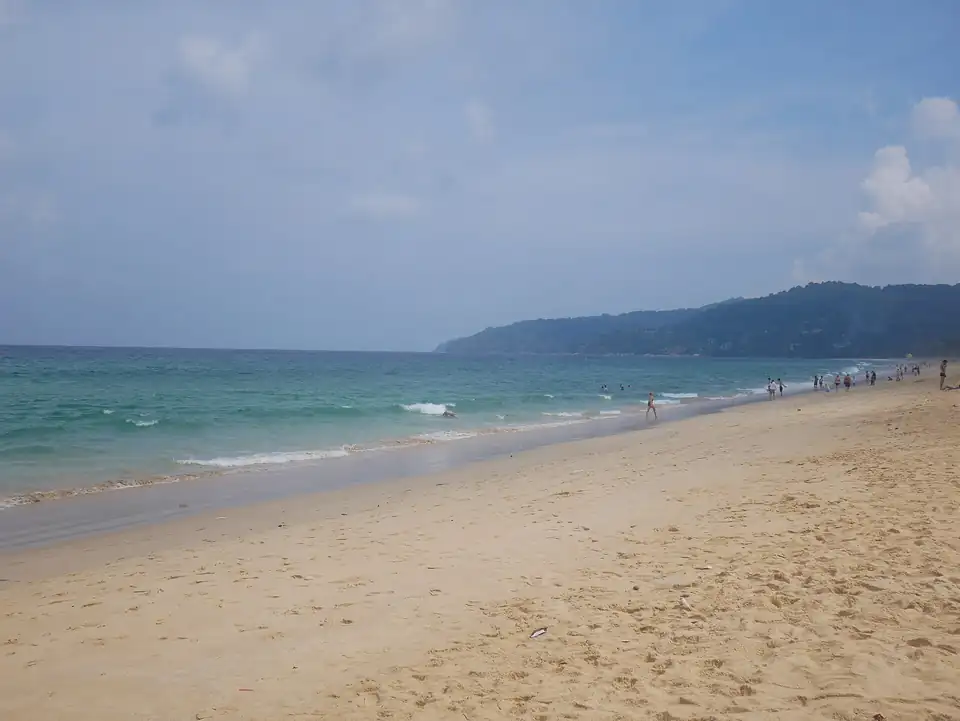
The west coast gets steadily calmer as you go north. Kata and Nai Harn at the southern tip are the roughest water on the island; Nai Yang and Mai Khao at the northern end are the calmest, by about forty per cent in the dry season and about fifteen in the monsoon. The order never changes.
The reason is geometry rather than luck. The southwest monsoon arrives from the southwest, the coastline curves east as it runs north towards Phang Nga bay, and a beach at the top of the island takes that swell at an angle where a beach at the bottom takes it head on.
One limit, stated plainly. The marine grid is about five kilometres across, so nine beaches resolve to five cells. Nai Yang and Mai Khao share one; Kamala and Surin share one; Patong and Karon share one; Kata, Nai Harn and Rawai share one; Bang Tao has its own. Beaches that share a cell carry identical figures by construction, not because we measured them separately, and each card below says so.
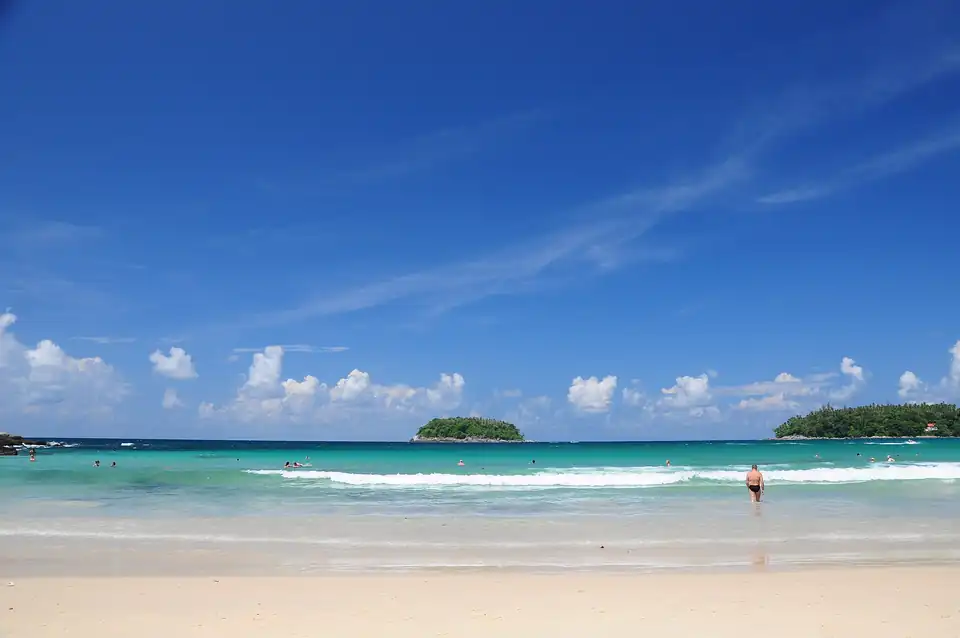
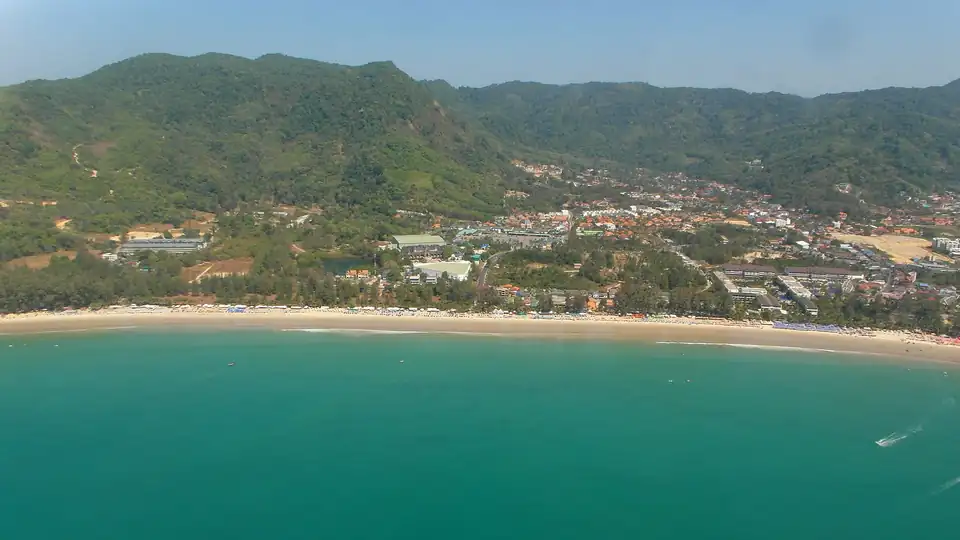
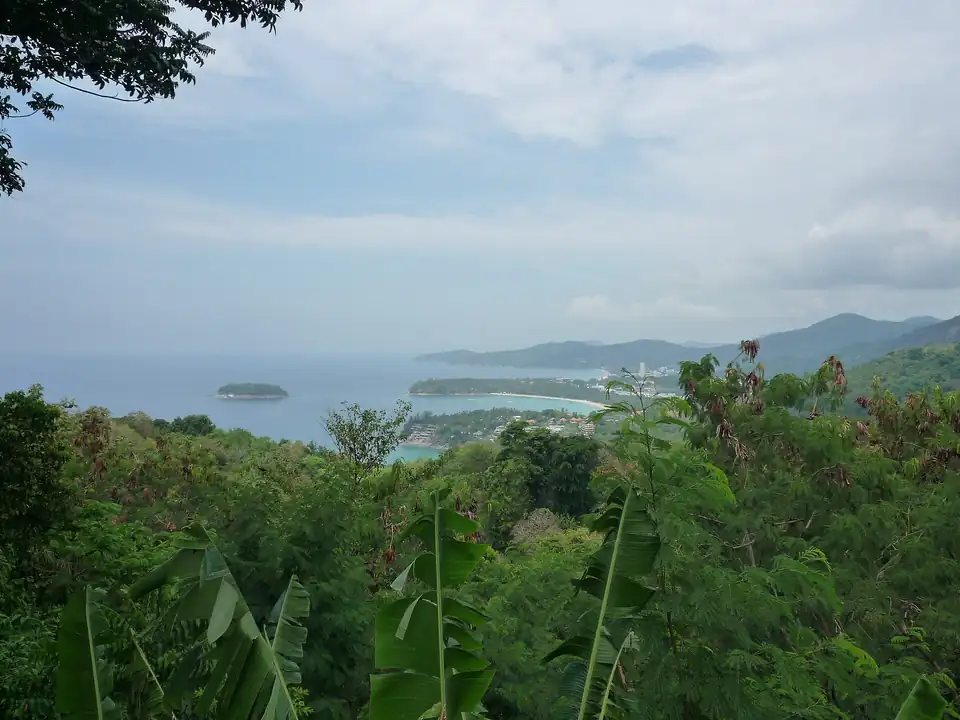
Kata and Kata Noi from the Karon viewpoint. Two bays, one headland between them, and the reason this page compares beaches rather than ranking a coast. Photo: ADwarf on Wikimedia Commons, public domain
The nine, south to north
In the order the gradient runs. The bar on each card shows where that beach sits between the calmest and the roughest February on this coast.
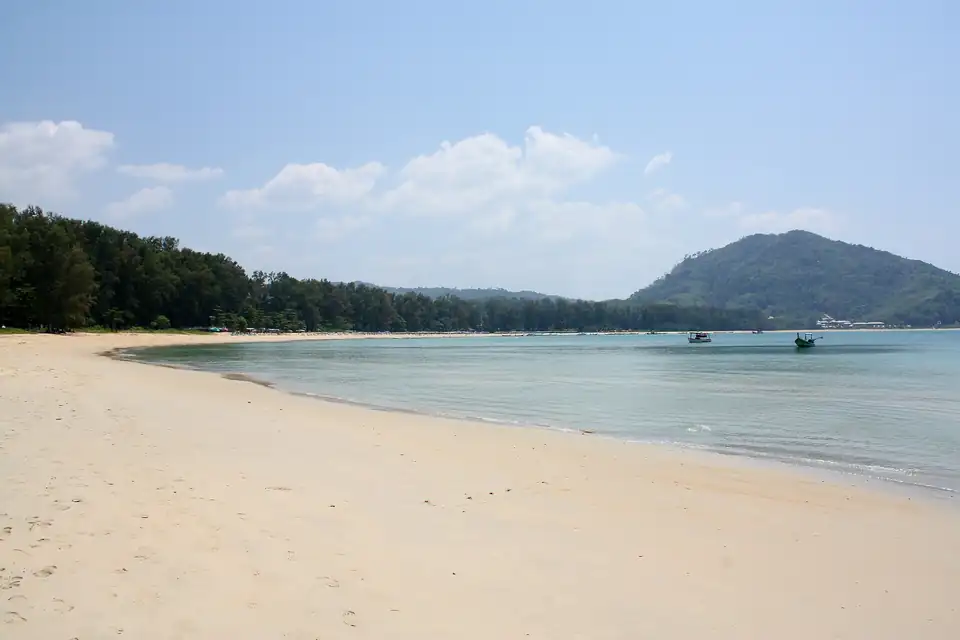
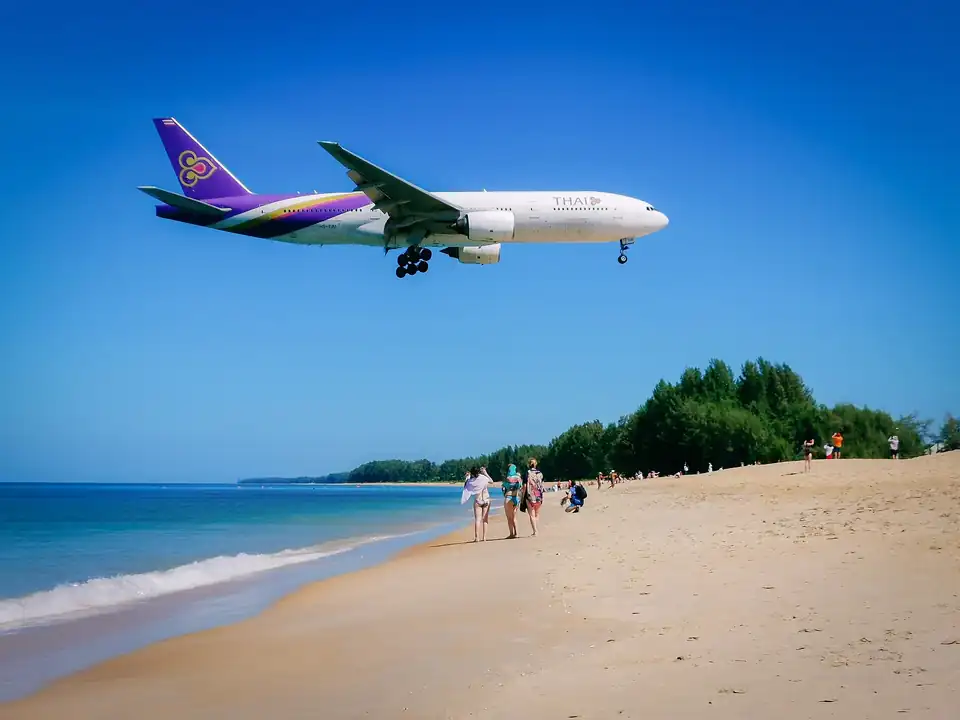
Eleven kilometres of almost nothing, under the approach path, and the calmest cell on the coast with the worst undertow on it.
0.37m in February,
1.13m in July
Emptiness
Watching aircraft land
A last night near the airport
Same grid cell as Nai Yang, so the figures are identical.
Choosing, in one paragraph
For a first trip, Kata: broad, swimmable, and enough behind it to fill a fortnight on foot. For the same thing quieter, Kamala. For a resort you intend to stay in, Bang Tao. For the calmest water and an early flight, Nai Yang. For nightlife you can walk home from, Patong, and you already know whether that is you. For a bay rather than a strip, Nai Harn, on the understanding that it sits in the roughest cell on the coast and looks calmer than it measures.
The east and south, which are not swimming beaches
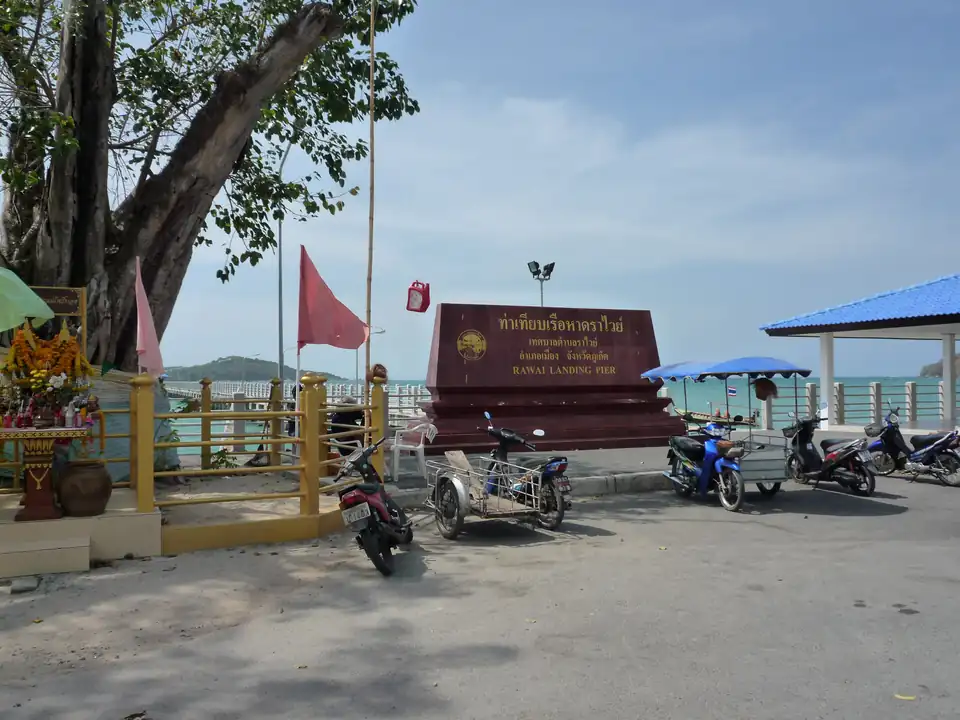
Rawai and Chalong on the south and east coasts are sheltered, shallow, and largely unswimmable: they are working waterfronts with piers, boats and seagrass rather than sand you would spend a day on. They matter because they are where the boats leave from for the offshore islands, and because in the monsoon they are the calm side of the island when the west coast is under red flags.
When to come
Every figure on this page has a season attached. December to March is the dry, calm half of the year on this coast; May to October is the southwest monsoon, when wave heights roughly double, red flags go up on the west-coast beaches and drownings are a genuine and recurring problem. The Phuket weather page has the month-by-month rainfall and sea state behind all of it, and the national beach comparison puts this coast against the Gulf.
Phuket's Beaches, Ranked by What They Are For FAQs
Which is the best beach in Phuket?+
Kata for most people: broad, swimmable, enough restaurants to fill an evening without arranging transport, and quieter than Patong. Kamala if you want the same thing smaller, Bang Tao if you want a resort and intend to stay in it, and Nai Harn if you would rather have a bay than a strip.
Which Phuket beach is calmest?+
Mai Khao and Nai Yang at the northern end, which share the calmest of the five marine grid cells on this coast. They average 0.37 metres of wave height in February against 0.61 off Kata and Nai Harn in the south, and the same ordering holds in every month of the year.
Which Phuket beach is best for families?+
Kata or Karon for the balance of shallow water and things within walking distance. Kamala for somewhere quieter with the same idea. Avoid Patong if the children are small, and treat the red flags in the monsoon as absolute wherever you are.
Is Patong worth staying on?+
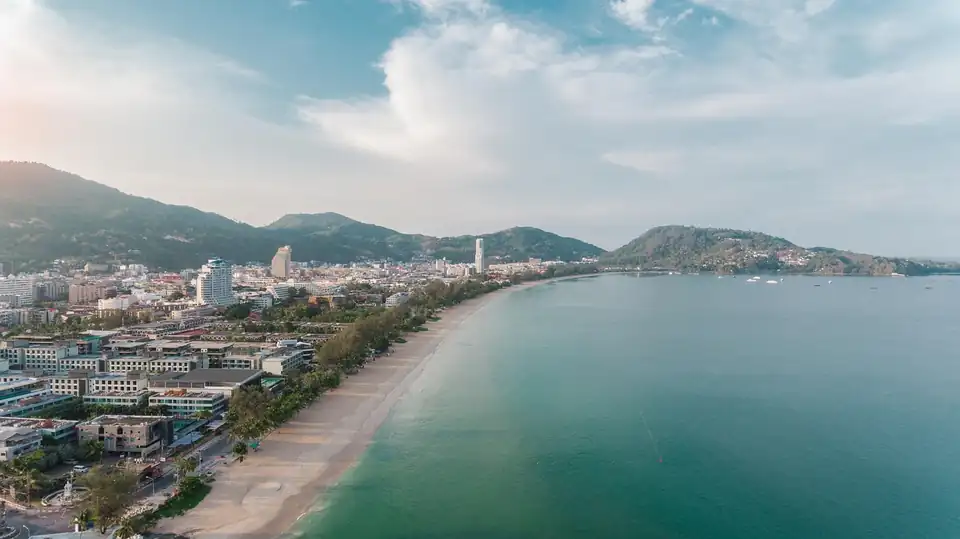
If you want nightlife, yes, and it does that better than anywhere else on the island. If you do not, it is the one beach where the strip behind the sand will decide your holiday whether you engage with it or not.
Are there quiet beaches in Phuket?+
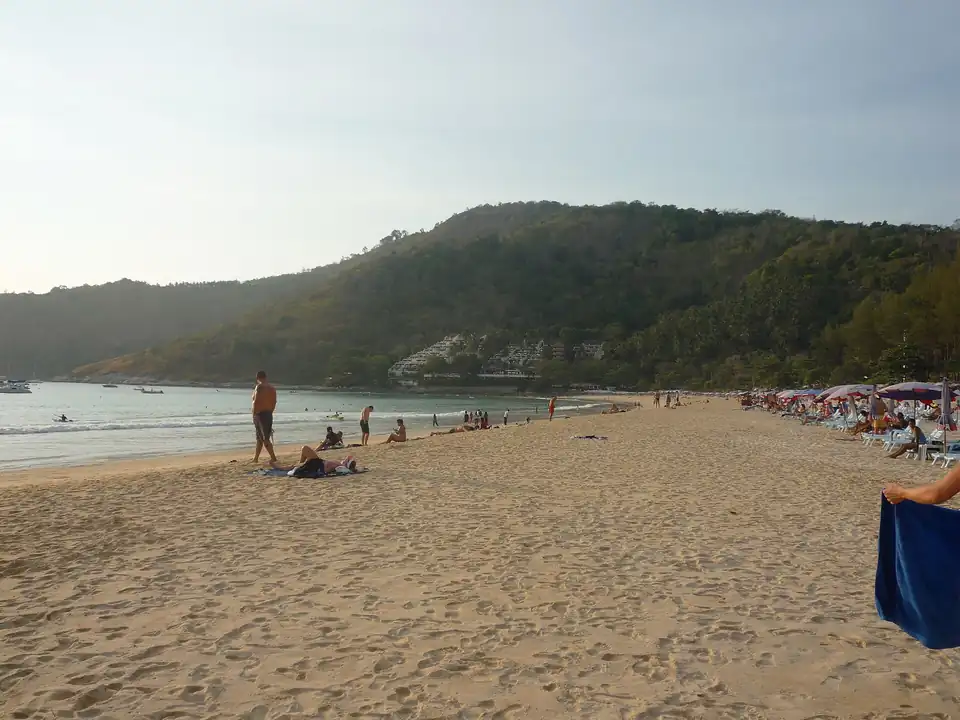
Yes, and more than the reputation suggests. Mai Khao is the island's longest and emptiest, inside a national park under the airport approach. Nai Harn is a proper bay at the southern tip with a lagoon behind it rather than a strip. Both are a drive from anywhere else.
Google Analytics is the only optional thing here, and it is not ours: it
tells us which guides get read, and it sets its own cookies. It does not
load until you decide, and refusing changes nothing about the site.
Read our privacy policy.

 0
0