About Thailand
Get to know the country, not just the itinerary
Thailand rewards a little context. Its language has five tones and no spaces, its calendar runs on the moon, its two coasts keep different seasons, and it is the only country in Southeast Asia that was never anybody's colony. None of that is required reading, and all of it makes the trip better.
-
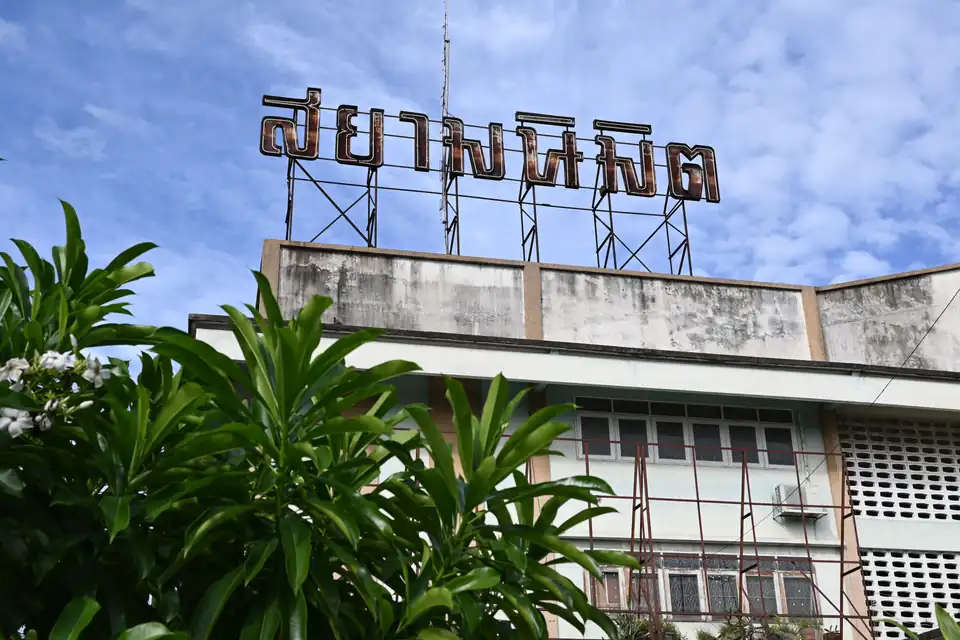 The Thai Language Five tones, no spaces between words, and the twelve phrases that change how a trip goes.
 -
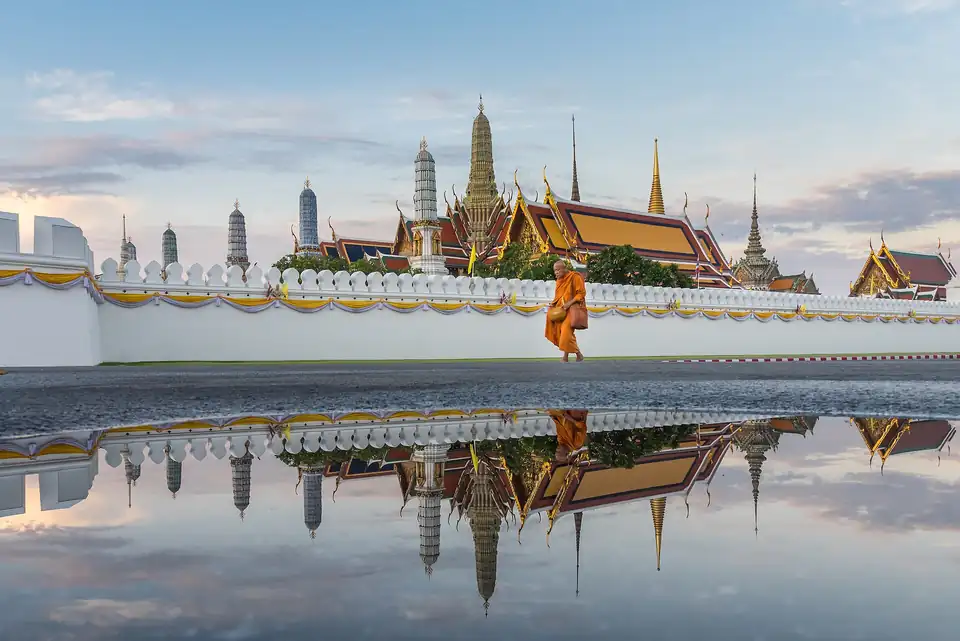 Religion in Thailand Theravada Buddhism, the spirit houses on every plot of land, and the lunar calendar that moves the holidays.
 -
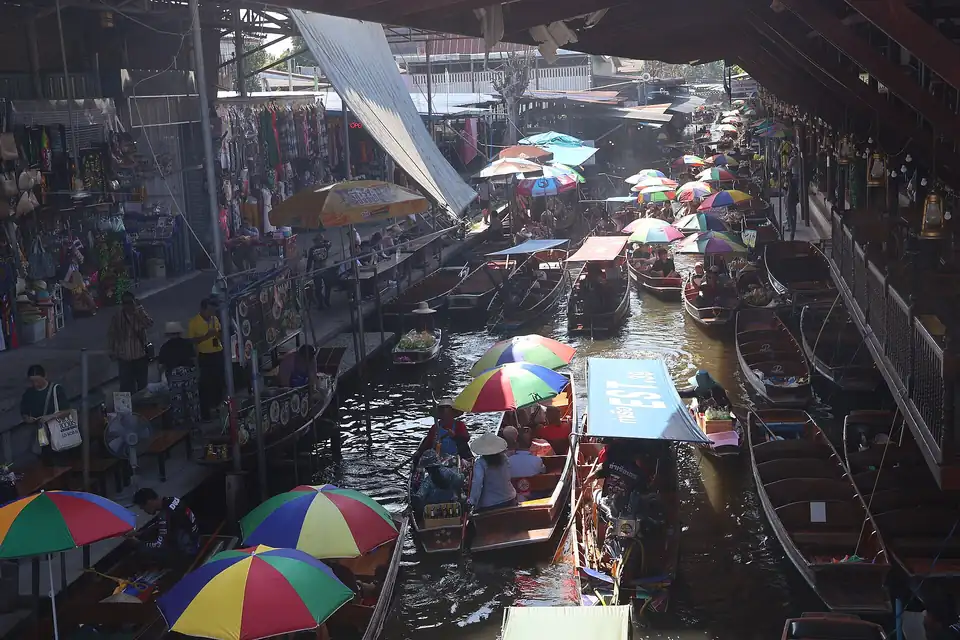 The People of Thailand Sixty-six million people, four regional identities, and a country that was never colonised.
 -
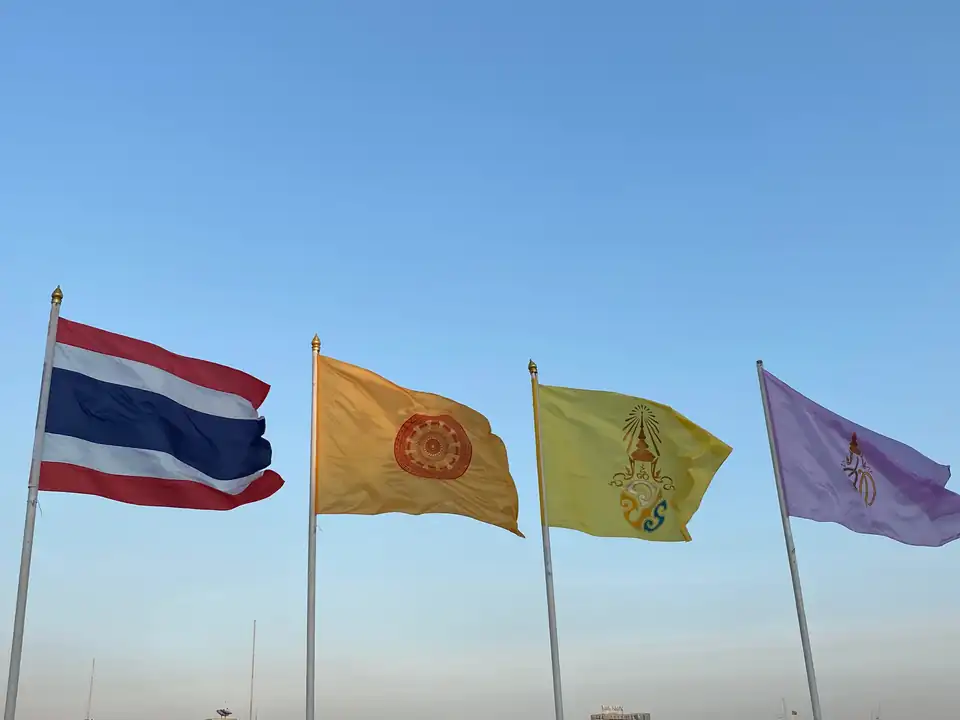 The Thai Flag Nation, religion and monarchy in five stripes, and why you should stand still at eight in the morning.
 - Map of Thailand Where the regions, coasts and islands sit, with the distance and the real journey time between them.
-
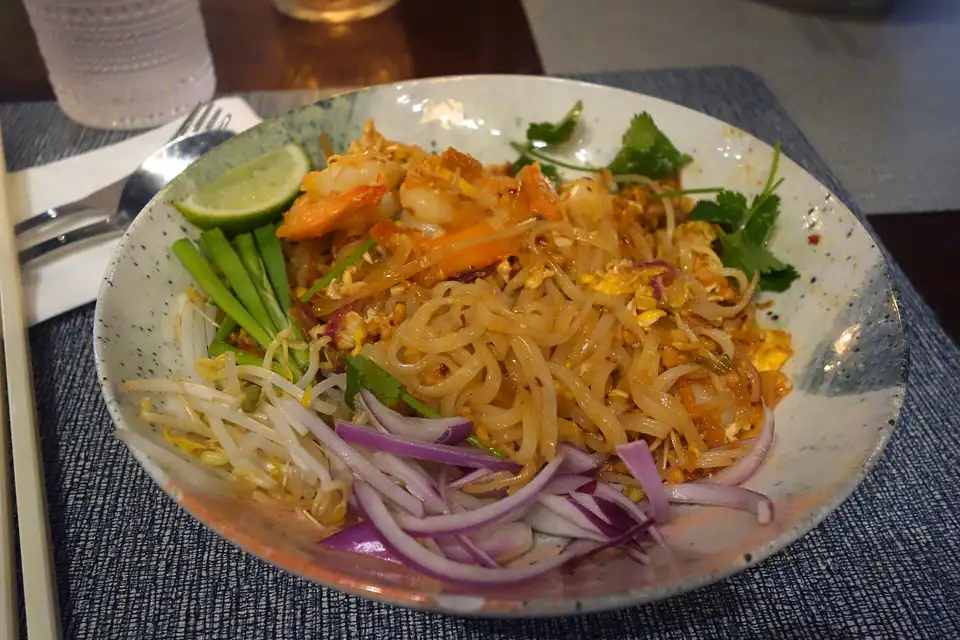 Thai Food and Drink Four regional cuisines, not one, and what to say about the chilli.
 -
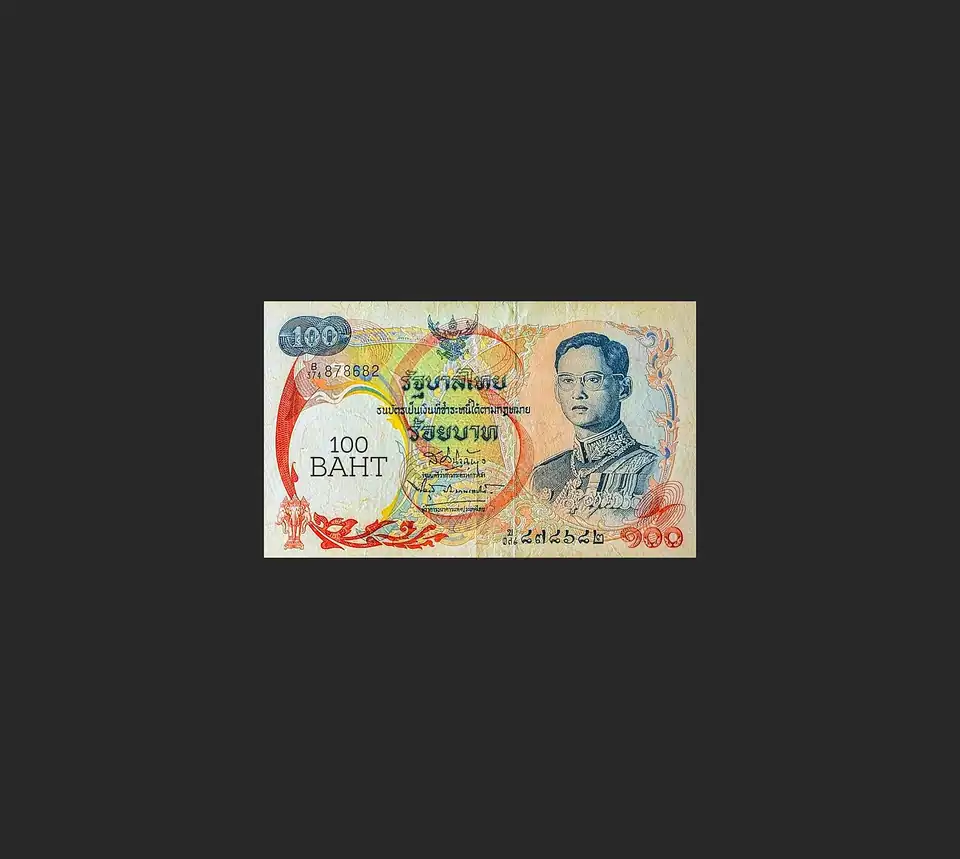 Money and Costs The baht, what things actually cost, and how far a day's budget goes.
 -
 The Thai Seasons Two coasts about three months out of step, measured rather than repeated.
A country of four regions
Thailand divides into four parts that do not merely look different, they cook differently, speak differently and keep different weather. The centre is Bangkok and the rice plain around it, the political and culinary default. The north is mountains and the old Lanna kingdom, cool enough in December to want a jacket. The northeast, Isan, is the Khorat plateau on the Lao border, home to about a third of the country's people and the least visited by a wide margin. The south is the peninsula, with a coast on each side of it.
The peninsula is the part that shapes a trip most, because the Andaman coast on the west and the Gulf on the east are about three months out of step. That is not folklore; it is 315mm at Phuket in October against 270mm at Koh Samui, and the reverse in November. The seasons, month by month
Never colonised, and what that left behind
Every one of Thailand's neighbours spent part of the last two centuries under a European power. Siam did not. It kept its independence by ceding territory at the edges, granting trade rights and giving up legal jurisdiction over foreigners, which is a harder-won independence than the flat claim suggests.
What it left is a country with an unbroken monarchy, a legal and administrative tradition of its own, and a script and calendar that were never displaced. It is also why the Thai year you will see on documents is 543 ahead of the Gregorian one: 2026 is Buddhist Era 2569.
Before you go, rather than about
This section is the country. The practical side, which has deadlines attached, is next door: visas and entry, the digital arrival card, plugs and power, and everything else practical.
Frequently asked questions
What language do they speak in Thailand?+
Thai, which is tonal and written in its own script with no spaces between words. Isan, close to Lao, is spoken by around a third of the country in the northeast, and Patani Malay in the far south. English is common in hotels and tourist areas and much less so elsewhere.
What religion is Thailand?+
Theravada Buddhist, at 93.5% of the population in the 2018 census. Islam is the second religion at 5.4%, concentrated in the four southern provinces on the Malaysian border, where it is the majority.
Was Thailand ever colonised?+
No, and it is the only country in Southeast Asia that can say so. Siam kept its independence through the colonial period, though it ceded territory, trade rights and legal privileges under a series of unequal treaties to do it.
What is the capital of Thailand?+
Bangkok, which Thais call Krung Thep. It is by far the largest city in the country and the arrival point for almost every international visitor.
What is Thailand's currency?+
The Thai baht, written THB. Notes run from 20 to 1,000 baht and cash is still what most street stalls and small restaurants take.