
Thailand's Islands: Which One, and When
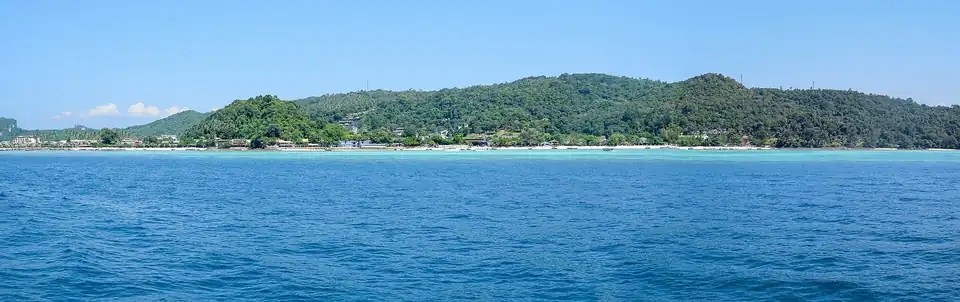
Thailand's islands split between two seas, and the difference shapes any beach trip. The Andaman coast in the west, reached through Phuket and Krabi, brings the towering limestone karsts of Phi Phi and Railay; the Gulf coast in the east is home to Koh Samui, Koh Pha Ngan and the diving island of Koh Tao.
- Driest months
- December to March 4 months under 150mm, 15 rain days or fewer
- Best for
- Choosing a coast
- Airport
- Phuket (HKT) or Samui (USM)
- Getting around
- Ferries and speedboats
Thailand’s islands sit in two different seas on opposite calendars, and that single fact decides more about a beach trip than any ranking of the ten prettiest can. The Andaman coast in the west and the Gulf in the east are not two flavours of the same holiday. They are wet at different times, calm at different times, and reached by different airports.
So this page does not open with a list. It opens with the measurement, because “the best island in Thailand” is a question with a different answer in January than in July, and the difference is large enough to ruin a fortnight.
Eight islands, twelve months
| Island | J | F | M | A | M | J | J | A | S | O | N | D | Dry months |
|---|---|---|---|---|---|---|---|---|---|---|---|---|---|
| Andaman coast, in the west | |||||||||||||
| Phuket The big one, with the airport the whole coast uses | 52 0.48 January: 52mm, 0.48 metres | 32 0.49 February: 32mm, 0.49 metres | 93 0.46 March: 93mm, 0.46 metres | 152 0.46 April: 152mm, 0.46 metres | 269 0.93 May: 269mm, 0.93 metres | 240 1.11 June: 240mm, 1.11 metres | 223 1.26 July: 223mm, 1.26 metres | 248 1.10 August: 248mm, 1.10 metres | 293 1.24 September: 293mm, 1.24 metres | 315 0.83 October: 315mm, 0.83 metres | 231 0.55 November: 231mm, 0.55 metres | 103 0.52 December: 103mm, 0.52 metres | 4 |
| Koh Phi Phi The karst postcard, and the busiest small island in Thailand | 40 0.45 January: 40mm, 0.45 metres | 25 0.46 February: 25mm, 0.46 metres | 73 0.40 March: 73mm, 0.40 metres | 135 0.37 April: 135mm, 0.37 metres | 243 0.67 May: 243mm, 0.67 metres | 221 0.78 June: 221mm, 0.78 metres | 217 0.89 July: 217mm, 0.89 metres | 245 0.80 August: 245mm, 0.80 metres | 276 0.89 September: 276mm, 0.89 metres | 297 0.59 October: 297mm, 0.59 metres | 217 0.46 November: 217mm, 0.46 metres | 101 0.45 December: 101mm, 0.45 metres | 5 |
| Koh Lanta Long, flat and quiet, an hour and a half from Krabi | 48 0.41 January: 48mm, 0.41 metres | 33 0.39 February: 33mm, 0.39 metres | 90 0.33 March: 90mm, 0.33 metres | 154 0.32 April: 154mm, 0.32 metres | 240 0.54 May: 240mm, 0.54 metres | 240 0.63 June: 240mm, 0.63 metres | 237 0.71 July: 237mm, 0.71 metres | 269 0.65 August: 269mm, 0.65 metres | 308 0.73 September: 308mm, 0.73 metres | 336 0.50 October: 336mm, 0.50 metres | 235 0.39 November: 235mm, 0.39 metres | 119 0.41 December: 119mm, 0.41 metres | 4 |
| Koh Lipe Far south, near the Malaysian border and on its own weather | 51 0.61 January: 51mm, 0.61 metres | 37 0.57 February: 37mm, 0.57 metres | 90 0.48 March: 90mm, 0.48 metres | 157 0.39 April: 157mm, 0.39 metres | 194 0.77 May: 194mm, 0.77 metres | 165 0.86 June: 165mm, 0.86 metres | 179 0.99 July: 179mm, 0.99 metres | 231 0.89 August: 231mm, 0.89 metres | 235 1.02 September: 235mm, 1.02 metres | 304 0.73 October: 304mm, 0.73 metres | 275 0.59 November: 275mm, 0.59 metres | 147 0.59 December: 147mm, 0.59 metres | 4 |
| The Gulf, in the east | |||||||||||||
| Koh Samui The Gulf's resort anchor, and its own airport | 83 0.56 January: 83mm, 0.56 metres | 41 0.56 February: 41mm, 0.56 metres | 84 0.42 March: 84mm, 0.42 metres | 99 0.30 April: 99mm, 0.30 metres | 113 0.29 May: 113mm, 0.29 metres | 85 0.30 June: 85mm, 0.30 metres | 90 0.37 July: 90mm, 0.37 metres | 90 0.32 August: 90mm, 0.32 metres | 139 0.36 September: 139mm, 0.36 metres | 270 0.24 October: 270mm, 0.24 metres | 313 0.51 November: 313mm, 0.51 metres | 163 0.61 December: 163mm, 0.61 metres | 9 |
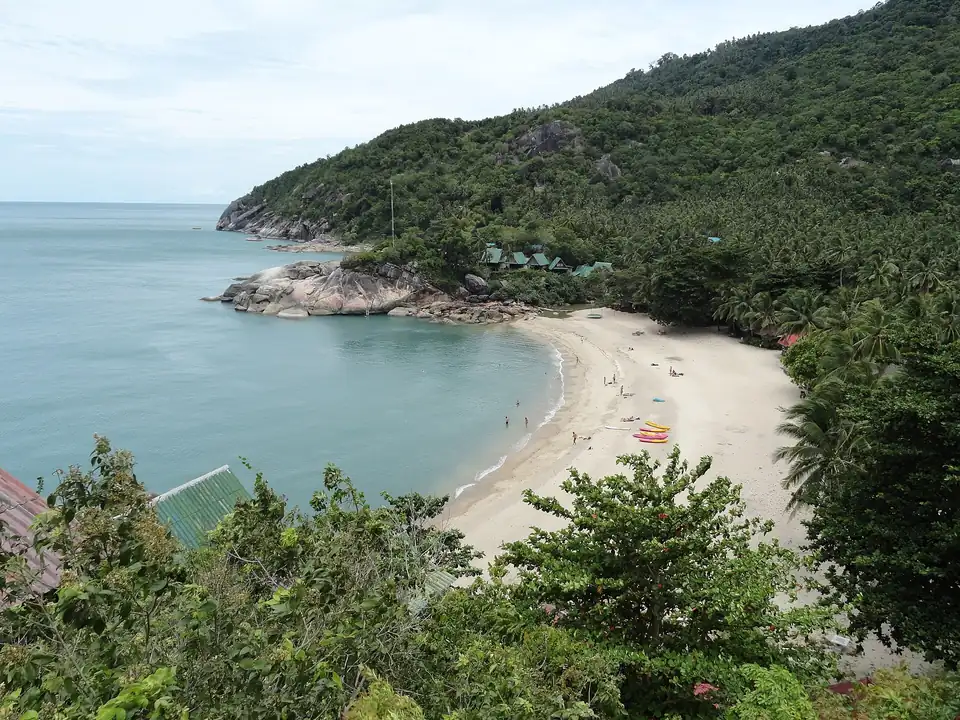
| Koh Phangan Next door to Samui, and much more than the full moon | 76 0.59 January: 76mm, 0.59 metres | 39 0.55 February: 39mm, 0.55 metres | 81 0.41 March: 81mm, 0.41 metres | 103 0.29 April: 103mm, 0.29 metres | 148 0.34 May: 148mm, 0.34 metres | 122 0.37 June: 122mm, 0.37 metres | 124 0.43 July: 124mm, 0.43 metres | 120 0.39 August: 120mm, 0.39 metres | 180 0.43 September: 180mm, 0.43 metres | 301 0.29 October: 301mm, 0.29 metres | 302 0.56 November: 302mm, 0.56 metres | 146 0.67 December: 146mm, 0.67 metres | 9 |
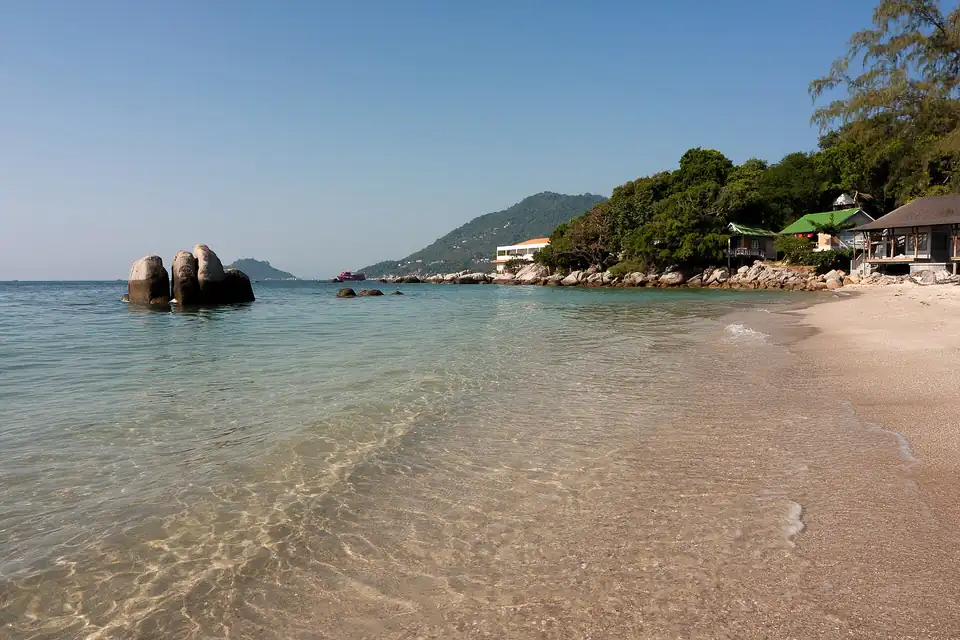
| Koh Tao Small, steep and the cheapest place in Asia to learn to dive | 66 0.73 January: 66mm, 0.73 metres | 36 0.60 February: 36mm, 0.60 metres | 76 0.44 March: 76mm, 0.44 metres | 93 0.38 April: 93mm, 0.38 metres | 148 0.42 May: 148mm, 0.42 metres | 126 0.50 June: 126mm, 0.50 metres | 125 0.56 July: 125mm, 0.56 metres | 121 0.52 August: 121mm, 0.52 metres | 168 0.55 September: 168mm, 0.55 metres | 292 0.39 October: 292mm, 0.39 metres | 273 0.76 November: 273mm, 0.76 metres | 123 0.89 December: 123mm, 0.89 metres | 9 |
| The eastern seaboard, near Bangkok | |||||||||||||
| Koh Samet Three hours from Bangkok by road and boat, not a flight | 23 0.32 January: 23mm, 0.32 metres | 27 0.37 February: 27mm, 0.37 metres | 60 0.38 March: 60mm, 0.38 metres | 90 0.38 April: 90mm, 0.38 metres | 197 0.47 May: 197mm, 0.47 metres | 203 0.64 June: 203mm, 0.64 metres | 204 0.73 July: 204mm, 0.73 metres | 194 0.62 August: 194mm, 0.62 metres | 299 0.63 September: 299mm, 0.63 metres | 230 0.27 October: 230mm, 0.27 metres | 53 0.34 November: 53mm, 0.34 metres | 12 0.36 December: 12mm, 0.36 metres | 6 |
- Under 150mm
- 150 to 250mm
- Over 250mm
- Upper figure millimetres, lower figure metres of wave.
Four things worth taking from that table.
The coasts invert, and it is not subtle. From May to August not one of the four Andaman islands is dry, and all three of the Gulf ones are. In July, Koh Samui takes 90mm and Phuket takes 223mm. That run is exactly when the northern hemisphere takes its summer holiday, which is why so many people come home from a Thai beach having spent it indoors: they booked the famous coast in the wrong month.
The Gulf is dry for more than twice as many months. Koh Samui, Koh Phangan and Koh Tao each manage nine months under 150mm. Phuket, Koh Lanta and Koh Lipe manage four. The Andaman’s reputation is built on the four months it is spectacular, and it is genuinely spectacular in them.
October is the month with no answer. It is the only one in the table where not a single island of the eight is dry: the Andaman is at its annual wettest, the Gulf’s own late rainy season has just begun, and for a few weeks there is nowhere on this coast or that one to move to. If your dates are fixed in October, plan a trip that is not principally about a beach.
Rain and sea do not agree. Several of these islands are at their calmest in a month they are also at their wettest, Koh Samui most sharply: its flattest sea of the year is in October, at 0.24 metres, in its second-wettest month. A page that shows only one of the two numbers is hiding the trade rather than making it.
Pick the coast, then the island
The Andaman coast, in the west
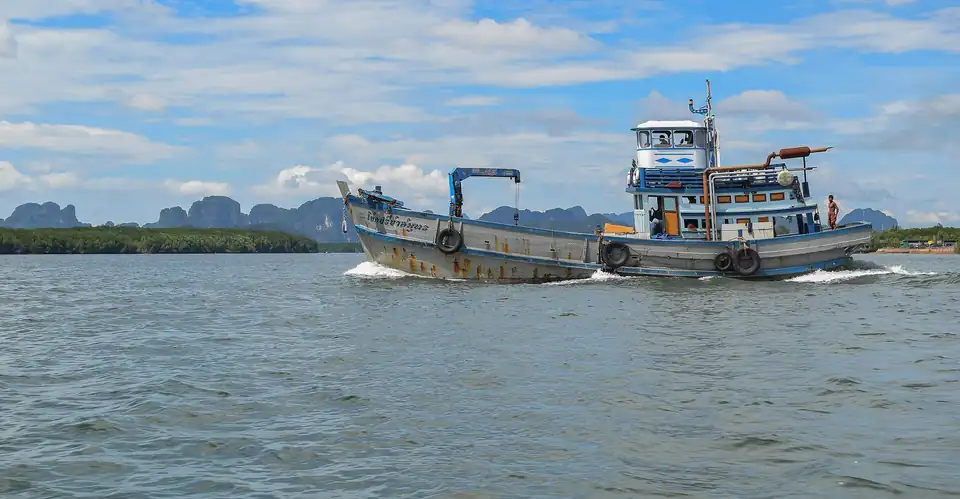
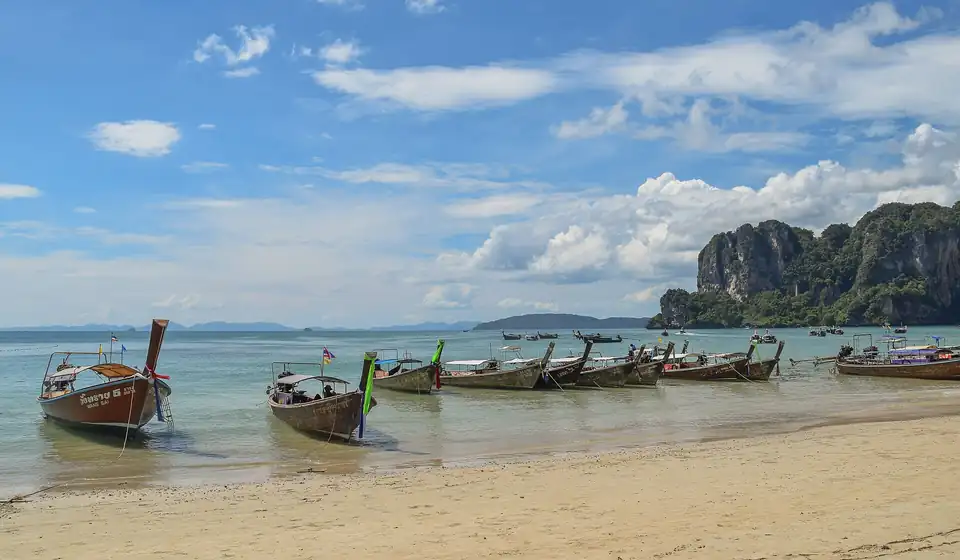
This is the postcard: limestone karst rising vertically out of the water, hidden lagoons, and water that goes an implausible green. Phuket is the gateway and the only island here with a full international airport. Krabi on the mainland opposite is the launch point for Railay and the Phi Phi group.
Koh Phi Phi is the famous one and the busiest small island in the country, with the best water and the least peace. Koh Lanta is its opposite: long, flat, quiet, and about ninety minutes from Krabi. Koh Lipe is four hundred kilometres further south, near the Malaysian border, which is why it has its own weather in the table above rather than sharing Krabi’s.
Season: November to March, and April on the outer islands. The whole coast is on our Andaman coast guide.
The Gulf, in the east
Lower, greener and rounder: granite boulders and coconut palm rather than vertical limestone, and a sea that is calmer in most months. Koh Samui is the anchor and has its own airport, an expensive one. Koh Phangan next door is far more than the full moon party it is known for, and Koh Tao beyond it is small, steep, and the cheapest place in Asia to learn to dive.
The three sit close enough to combine on one trip without a flight, which is the practical argument for this coast and is not true of the Andaman. The region is on our Gulf islands guide.
Season: January to August, with the wet arriving in late October and November, which is the opposite of the Andaman and the thing most trip plans get wrong.
The eastern seaboard, near Bangkok
Koh Samet belongs to neither. It is three hours from Bangkok by road and boat rather than by flight, it is inside a national park, and it runs on its own calendar: December is its driest month at 12mm, the lowest single figure of any island in the table. It is a weekend island rather than a holiday island, and it is the right answer to a spare two days at the end of a trip.
How many islands does Thailand have
Nobody can tell you, and we are not going to pretend otherwise.
The number repeated across travel pages is 1,430, and we could not trace it to a primary source. A figure of 936 is widely attributed to Thailand’s marine and coastal resources department, and we could not verify that directly either. Both are quoted with total confidence by sites that have not checked them.
The reason the number is soft is that it depends entirely on how small a rock still counts as an island, and nobody publishing a total says which rule they used. What is checkable is the scale of single clusters: Phang Nga Bay alone holds dozens, and so do the archipelago national parks at Ang Thong, Tarutao and Koh Chang.
The practically useful answer is a much smaller number. Around a dozen Thai islands have the airport, the boats, the accommodation and the food to build a holiday on, and eight of them are in the table above.
Is Thailand an island
No, and it is asked often enough to answer plainly. Thailand is a mainland country in Southeast Asia with land borders on Myanmar, Laos, Cambodia and Malaysia, and roughly 3,200 kilometres of coastline on two separate seas. The islands are offshore, and they are what most visitors come for, but the country is not one of them.
Island hopping, and what it actually costs
Hopping works within a coast and stops working across them.
Within a coast the boats are frequent, short and cheap. Phuket to Phi Phi is a couple of hours; Samui, Phangan and Tao are a chain of short ferry legs. Our route pages carry the real timings for the crossings we have checked.
Across the coasts is a different proposition. The Andaman and the Gulf are on opposite sides of a peninsula, so getting from Koh Lanta to Koh Tao means an internal flight, or the best part of a day of minibus, bus and boat. It is done, and it is usually done by people who did not realise how far apart they were when they booked.
How many islands in two weeks? Two, or three at the outside, on one coast. Every move costs a half day at each end once you have counted the checkout, the boat, the transfer and the business of finding your feet. A fourth island buys you a travel day rather than a beach day.
What this page does not do
It does not rank the beaches. That page exists, it measures 37 of them individually by wave height, and it is the better tool once you have chosen an island.
It does not tell you the best time to visit Thailand as a country, which takes the north and Bangkok into account as well as the coasts: the month-by-month guide does that.
And it does not yet have a page of its own for Koh Phi Phi, Koh Lanta or Koh Lipe. They are measured here because the data existed and the table would have been dishonest without them, and the guides are not written. We would rather say so than imply otherwise.
Popular Thailand Islands tours and day trips
 Free cancellation
Full day snorkeling adventure around Koh Tao
 Free cancellation
Twilight Sea Canoe Tour with Sea Cave Kayaking in Phang Nga Bay
 Free cancellation
Phi Phi, Maya Bay & Khai Islands Speedboat Tour from Phuket
 Free cancellation
Phi Phi and Khai Islands Snorkeling Tour with Lunch by Speedboat
 Free cancellation
Day Trip to James Bond (Canoeing & Kayaking Islands & Lunch)
 Free cancellation
Phi Phi & Bamboo Islands Snorkeling Tour with Lunch by Speedboat
Thailand Islands FAQs
Which is the best island in Thailand?+
It depends entirely on your month, which is why the honest answer is a table rather than a name. From May to August not one of the four Andaman islands we measure is dry and all three of the Gulf ones are, so the best island in July is a different island from the best island in January. Pick the coast first.
Is Thailand an island?+
No. Thailand is a mainland country in mainland Southeast Asia, bordering Myanmar, Laos, Cambodia and Malaysia, with about 3,200km of coastline on two separate seas and a large number of offshore islands. The islands are what most visitors come for, but the country itself is not one.
How many islands does Thailand have?+
Nobody can tell you, us included. The figure repeated across travel sites is 1,430 and we cannot trace it to a source; a count of 936 is attributed to the marine resources department and we could not verify it directly either. What is checkable is that single national parks hold dozens each, and that the total depends entirely on how small a rock still counts.
Which Thai island is best in July?+
A Gulf one. In July, Koh Samui takes 90mm and Phuket takes 223mm, and the same gap holds across the two coasts from May to August. That is the single most useful thing on this page for anyone travelling in a northern-hemisphere summer holiday.
Which month should you avoid for Thai islands?+
October. It is the only month in which not one of the eight islands we measure is dry: the Andaman is at its annual wettest and the Gulf's own rainy season has just started, so for a few weeks both coasts are wet at once and there is nowhere on this table to escape to.
Can you island hop between the Gulf and the Andaman coast?+
You can, and for most trips you should not. The two coasts are on opposite sides of a peninsula and crossing means an internal flight or the best part of a day overland and by boat. Island hopping works within a coast, where the boats are frequent and short, and stops working the moment you try to combine both.
How many islands should you visit in two weeks?+
Two, or three at most, and on one coast. Each move costs a half day at each end once you count checkout, boat, transfer and finding your feet, so a fourth island buys you a travel day rather than a beach day. Two islands and a mainland base is the shape that works.
 Bangkok
  Chiang Mai
  Phuket
  Krabi
Krabi  Koh Samui
  Khao Lak
  Chiang Rai
  Pai
Pai  Ayutthaya
  Sukhothai
  Koh Phangan
  Koh Tao
  Trat
Trat  Koh Mak
  Koh Kood
 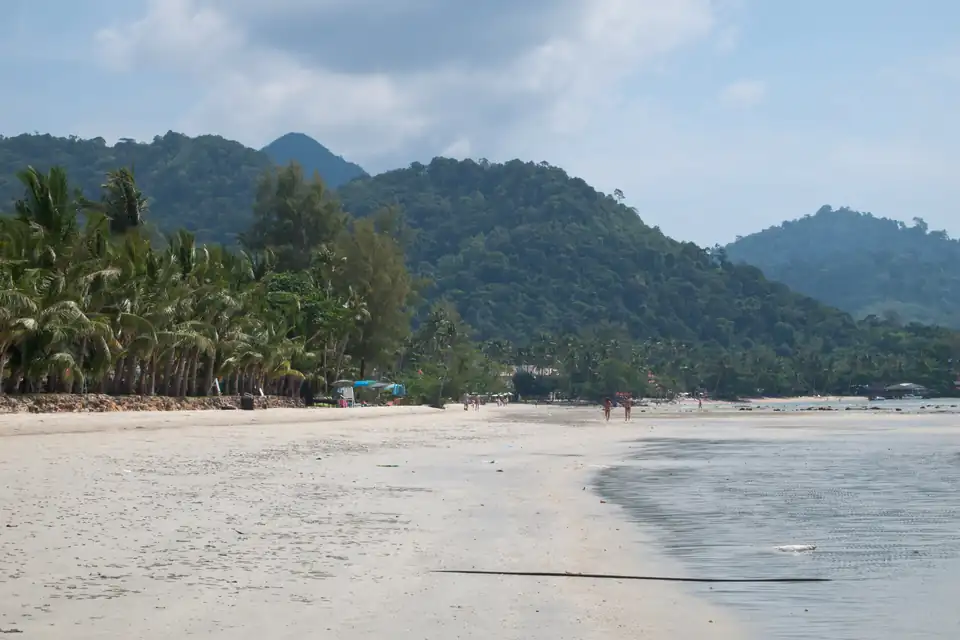 Koh Chang
 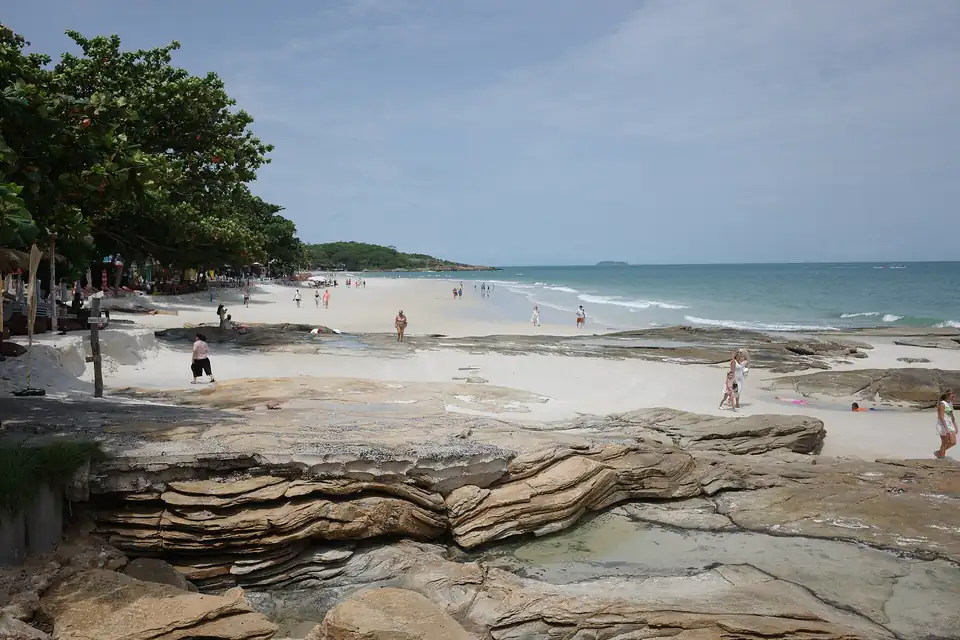 Koh Samet
 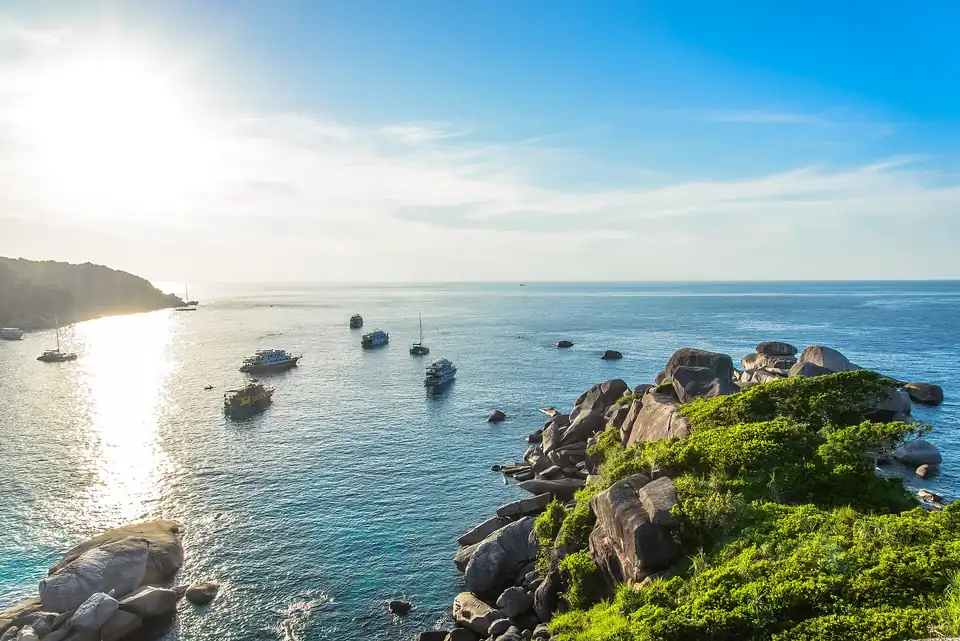 The Similan Islands
 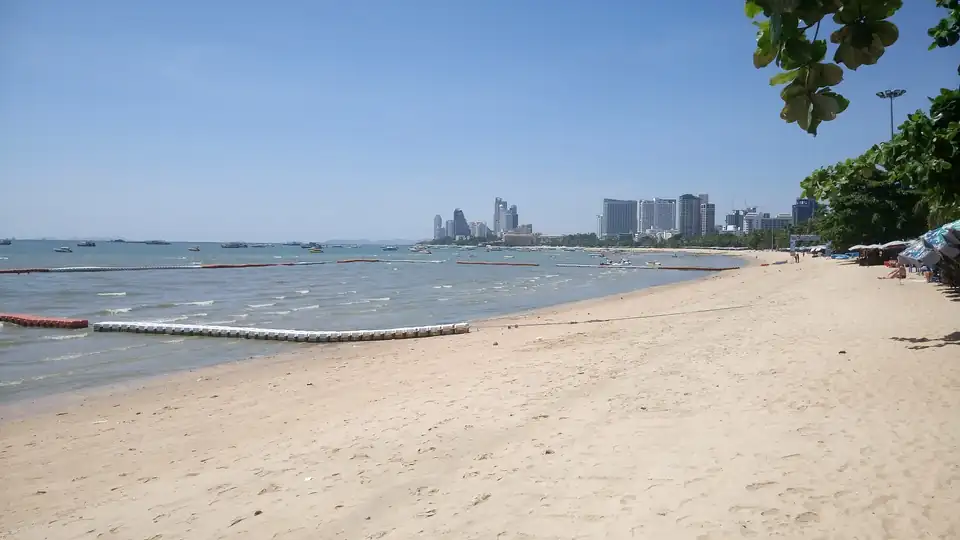 Pattaya
 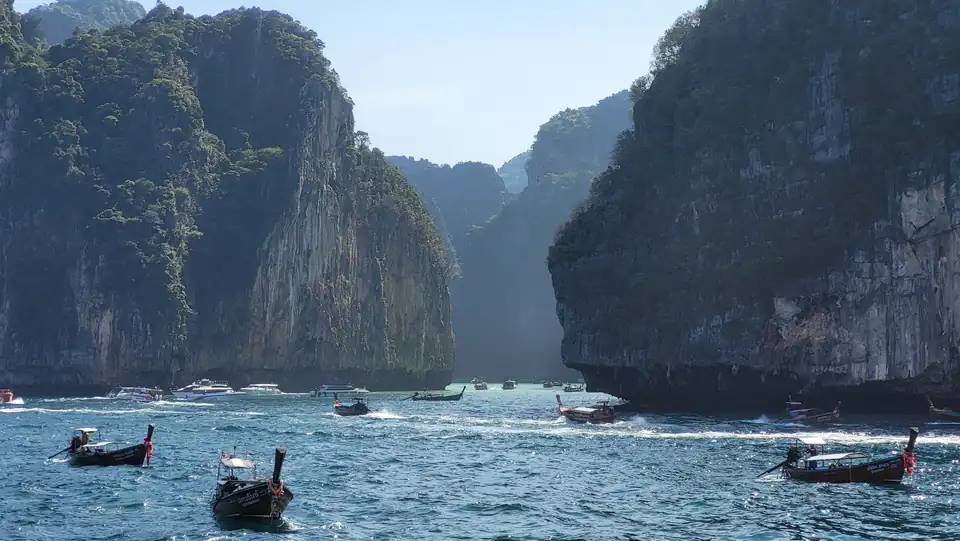 Koh Phi Phi
 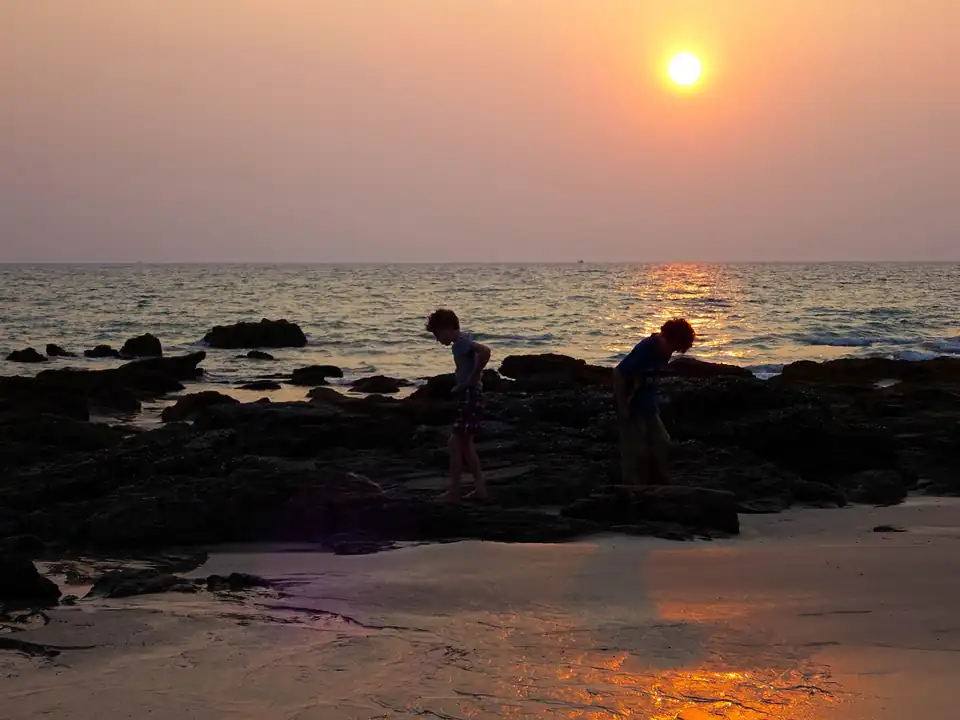 Koh Lanta
 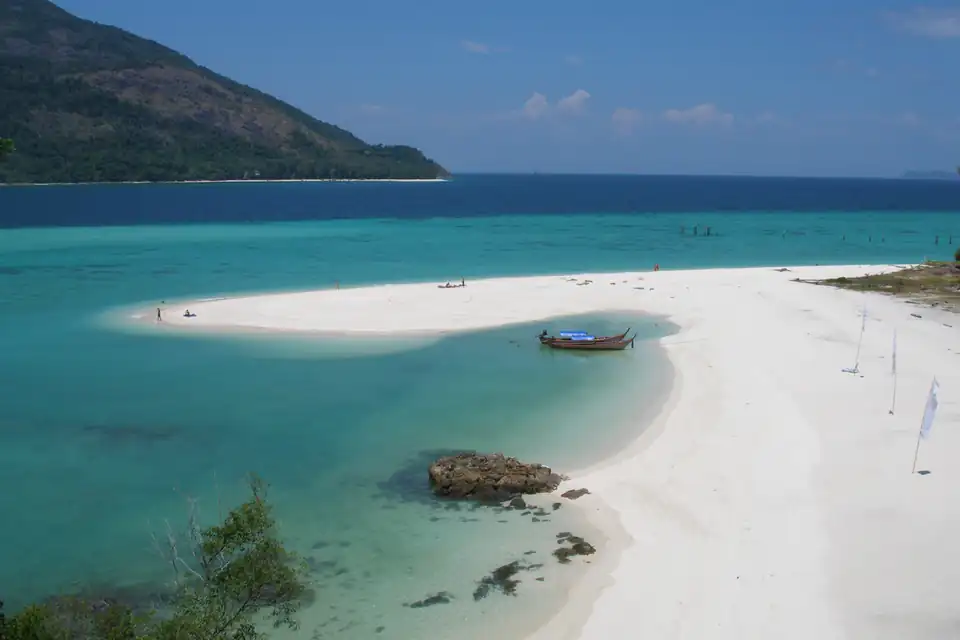 Koh Lipe