
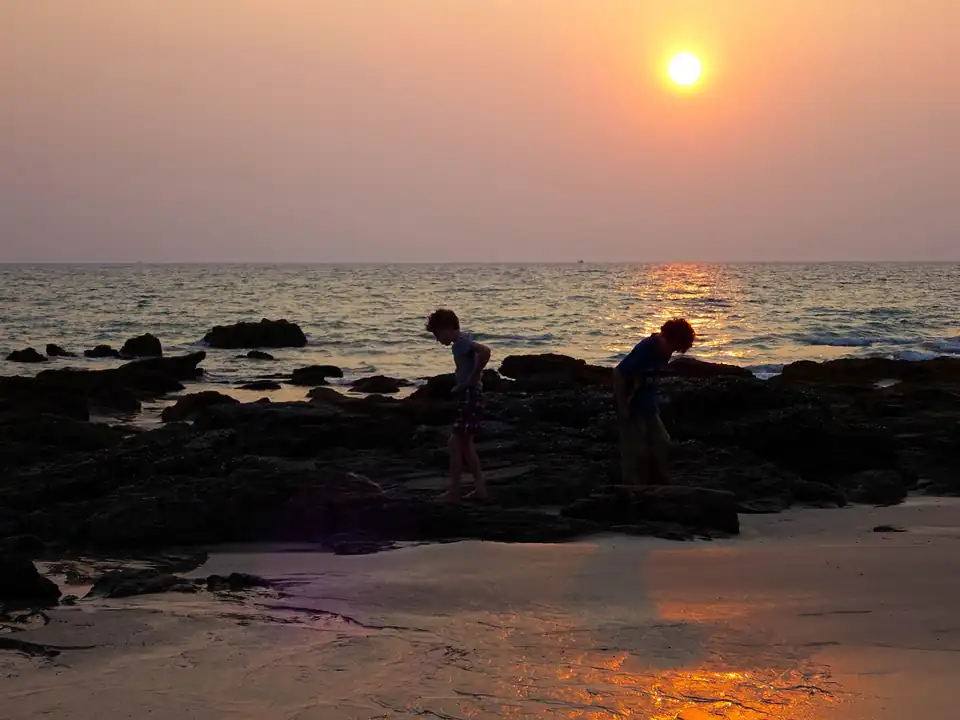
Koh Lanta · Andaman Coast
Koh Lanta Travel Guide
Lanta is long, flat and quiet: twenty-seven kilometres of island with a road down the spine, beaches all along the west side and mangrove down the east. It is the Andaman answer for people who want the coast without Phuket's volume or Phi Phi's noise, and the north and south ends are genuinely different holidays.
- Driest months
- December to March 4 months under 150mm, 15 rain days or fewer
- Best for
- A quiet Andaman week with a scooter
- Airport
- Krabi (KBV), about two hours including the bridges
- Getting around
- Hired scooter or car. One road, north to south
Koh Lanta is twenty-seven kilometres long and about six wide, with one road running the length of it, beaches down the entire west side and mangrove down the east. It has no nightlife worth the name, no landmark to photograph, and nothing on it that anybody has heard of.
That is the pitch. It is the Andaman island for people who want the coast without Phuket’s volume or Phi Phi’s noise, and it draws more searches in Britain than either Phi Phi or the Similans: about 12,550 a month, at a keyword difficulty of nothing at all.
The one thing nobody tells you: the quiet end is the rough end
Lanta is long enough that its beaches fall into three separate cells of the marine model, which is unusual: most Thai islands are smaller than the grid and return one figure for the whole coast. Here the gradient is real and it runs the opposite way to the one people assume.
The north is the calmest and the south is the roughest. Klong Dao and Phra Ae, the two busy northern beaches, run at 0.64 metres in July. Klong Nin, halfway down, is at 0.69. Kantiang Bay, in the quiet far south, is at 0.87, which is a third rougher than the north in the same month, and the ordering holds in every month of the year.
That is worth knowing because the usual advice is to head south for peace, and the advice is right about the peace. It just also moves you to the more exposed water. In the dry season the difference is small enough to ignore. In April and November, when the swell is turning, a third is the difference between swimming and standing in it.
Where to stay, north to south
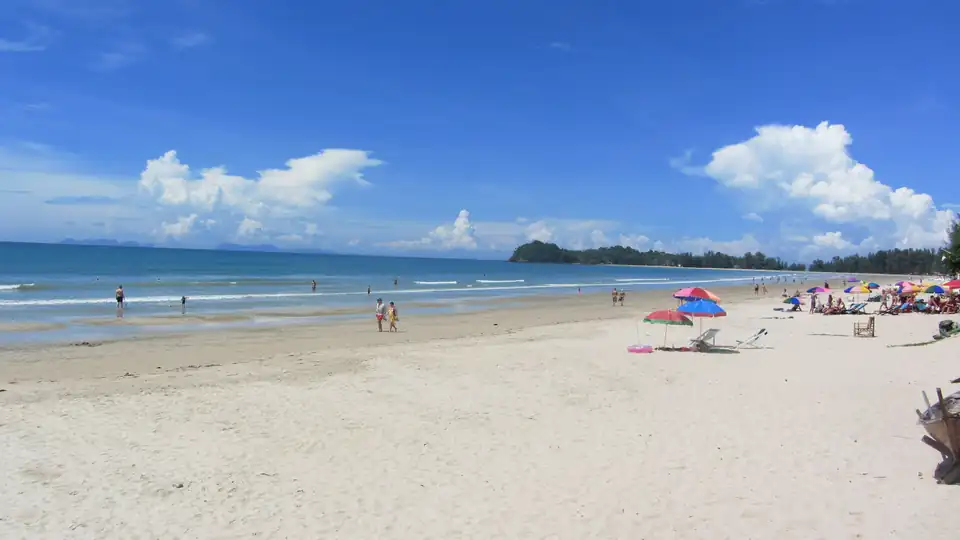
Klong Dao is the first beach after the pier: wide, shallow, shelving very gently, and the one families book. It is the calmest water on the island and the easiest to walk to dinner from.
Phra Ae, universally called Long Beach, is four kilometres of sand with most of the island’s eating on the road behind it. It is the default for a first visit and it shares Klong Dao’s grid cell and its figures.
Klong Nin, roughly halfway down, is the compromise everybody eventually recommends: quieter than the north, with enough restaurants that you are not driving for dinner every night.
Kantiang Bay and the bays below it are a horseshoe of sand with steep green behind and very little else, forty minutes from the north. They are the prettiest part of the island and they commit you to the scooter.

The very south ends in Mu Ko Lanta national park, with a lighthouse, a short trail and monkeys with a reputation for theft.
The east side is not a beach
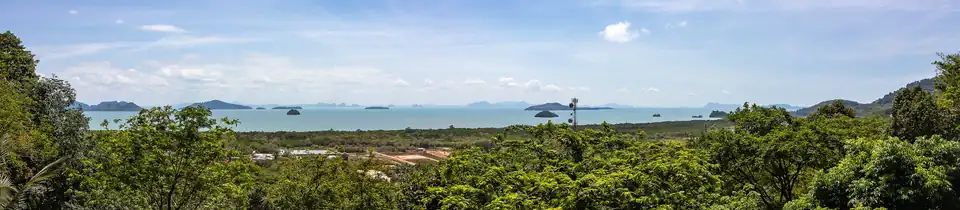
Worth understanding before you book something described as sea view. The east coast is mangrove, mudflat and boat channel rather than swimming beach, and the water is green rather than turquoise.
Lanta Old Town

Halfway down the east coast, Lanta Old Town is a row of century-old shophouses standing on stilts over the channel: once the island’s port and its centre of gravity, before the west-coast beaches existed as a destination. It is now a quiet afternoon of seafood on the decks, a few galleries, a pier and a Chinese shrine.
It is the best hour on the island that does not involve sand, and it is on the wrong side for a beach holiday, which is exactly why it has stayed as it is.
The year
- Rainfall, millimetres per month
- Phuket, for comparison
Driest is February at 33mm over 5 rain days, wettest is October at 336mm over 28 rain days. Against Phuket, Koh Lanta is wetter in 8 months of the twelve, and the largest gap is in August.
Lanta runs on the standard Andaman calendar and is a little wetter than Phuket in the worst of it: November to April is the season, February at 33mm is the driest month, and October at 336mm is the wettest month recorded at any island on this site’s Andaman side.
The low season matters more here than on the big islands. From roughly May to October the ferries from Phi Phi and Phuket reduce or stop, a good proportion of the beach restaurants close, and the south of the island empties out. The road from Krabi runs all year, so Lanta is always reachable; it is simply a different and much emptier place.
Getting there, and getting round
The old car ferries are gone. Two bridges now connect Lanta Noi and Lanta Yai to the mainland, so it is about two hours by road from Krabi airport with no waiting. In season there are also ferries from Krabi, Phi Phi and Phuket. Krabi to Koh Lanta and Phuket to Koh Lanta have the timings.
Once you are there, hire a scooter. One road, light traffic, twenty-seven kilometres: it is one of the easier places in Thailand to ride, and without one you will see one beach.
How long, and who it suits
Five to seven nights. Lanta does not have a list of things to work through, which is the point of it, and people who give it two nights generally report that nothing happened. It suits couples, families and anyone whose idea of a good day involves a scooter, a different beach and an early dinner.
It does not suit anyone looking for a scene. That is Phi Phi, ninety minutes away, and the two islands make a good fortnight in that order rather than the reverse.
Why this guide has no sub-pages
The volume would justify one and the shape of it does not. Of about 12,550 searches a month, roughly 7,200 are the island’s name and the next largest cluster, at around 3,000, is how to get here from Krabi and Phuket, which the route pages already answer with real timings. What is left is weather at 500, hotels at 650 and things to do at 200: four thin pages where one good one belongs.
Getting to and from Koh Lanta
Times, how often each runs, and what it costs, for every route we have checked.
Koh Lanta FAQs
Is Koh Lanta worth visiting?+
If you want the Andaman without Phuket's volume or Phi Phi's noise, it is the answer, and it is the island this site would book for a quiet week. It is long, flat, easy to drive, has good food along its whole west side, and almost nothing happens after about eleven at night. People who want a scene should go elsewhere.
Which is the best beach on Koh Lanta?+
It depends on the trade you want. Klong Dao and Phra Ae in the north are the widest and the calmest, at 0.36 metres in February against Kantiang's 0.45 in the far south, and they have the restaurants. Kantiang and the southern bays are emptier, prettier and a forty-minute drive from anywhere.
Where should you stay on Koh Lanta?+
North if it is your first visit, south if you have been. Klong Dao and Phra Ae put you within walking distance of dinner; Klong Nin, halfway down, is the compromise with a handful of places to eat; Kantiang and below are for people who have hired a scooter and mean to use it.
Do you need a scooter on Koh Lanta?+
Effectively yes, unless you are staying in the north and intend not to move. The island is twenty-seven kilometres long with a single road down it, so every beach except your own is a drive, and taxis are expensive by the standards of everything else here.
How do you get to Koh Lanta?+
From Krabi it is about two hours by minibus, now over bridges rather than the old car ferries, or ninety minutes to two hours by ferry in season. From Phuket it is a ferry of about two and a half hours, or a longer road transfer. Krabi airport is the sensible way in.
Does Koh Lanta close in the low season?+
Partly, and more than the bigger islands do. The ferries from Phi Phi and Phuket reduce or stop from around May to October, a good number of the beach restaurants and smaller resorts shut, and the south of the island empties considerably. The road from Krabi runs all year.
Is Koh Lanta good for families?+
It is one of the best in Thailand for it. Klong Dao in particular is wide, shallow and shelves very gently, the island has almost no nightlife to navigate around, and the road traffic is light. The caution is the same as everywhere on this coast: from May to October the sea gets rough and the flags mean what they say.
 Bangkok
  Chiang Mai
  Phuket
  Krabi
Krabi  Koh Samui
  Khao Lak
  Chiang Rai
  Pai
Pai  Ayutthaya
  Sukhothai
  Koh Phangan
  Koh Tao
  Trat
Trat 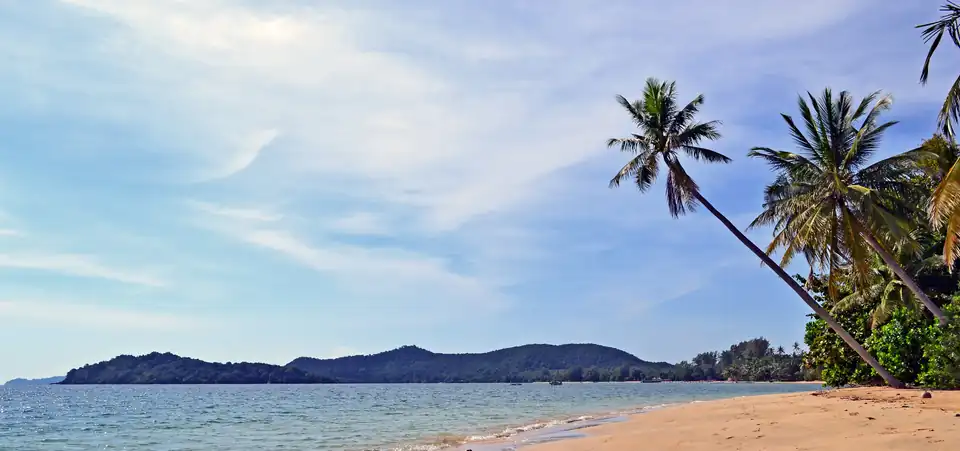 Koh Mak
 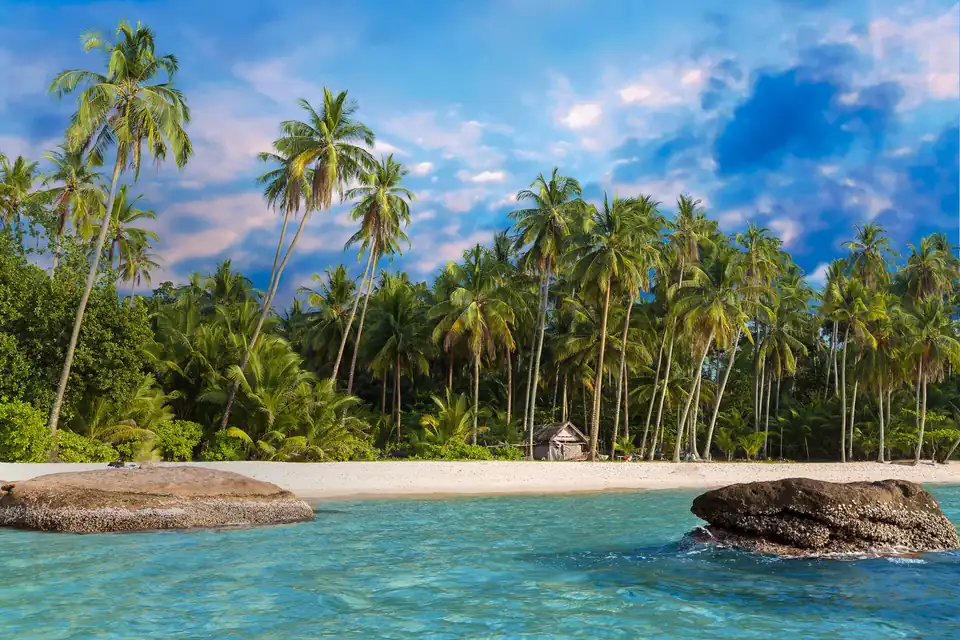 Koh Kood
 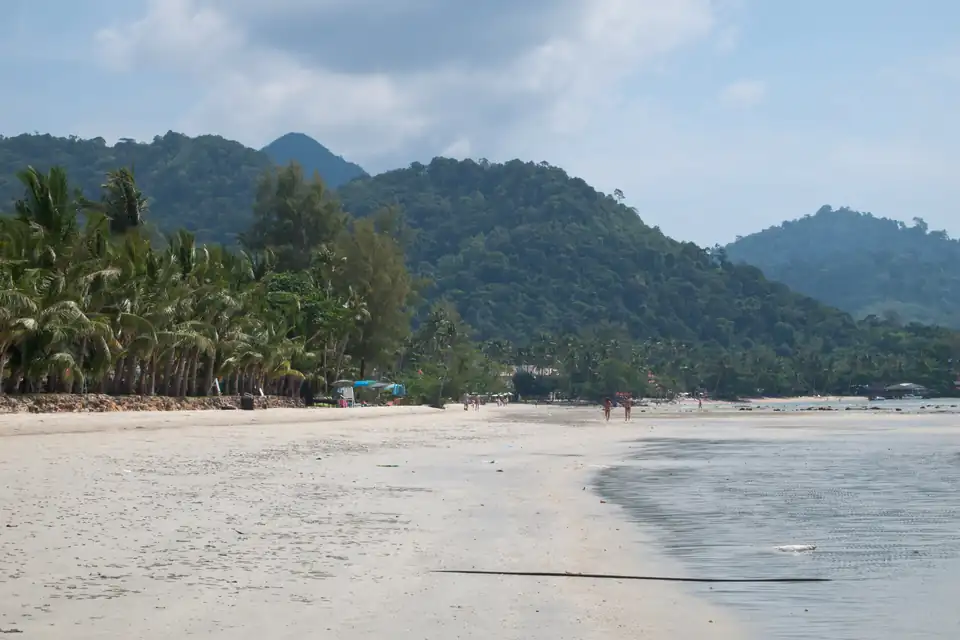 Koh Chang
 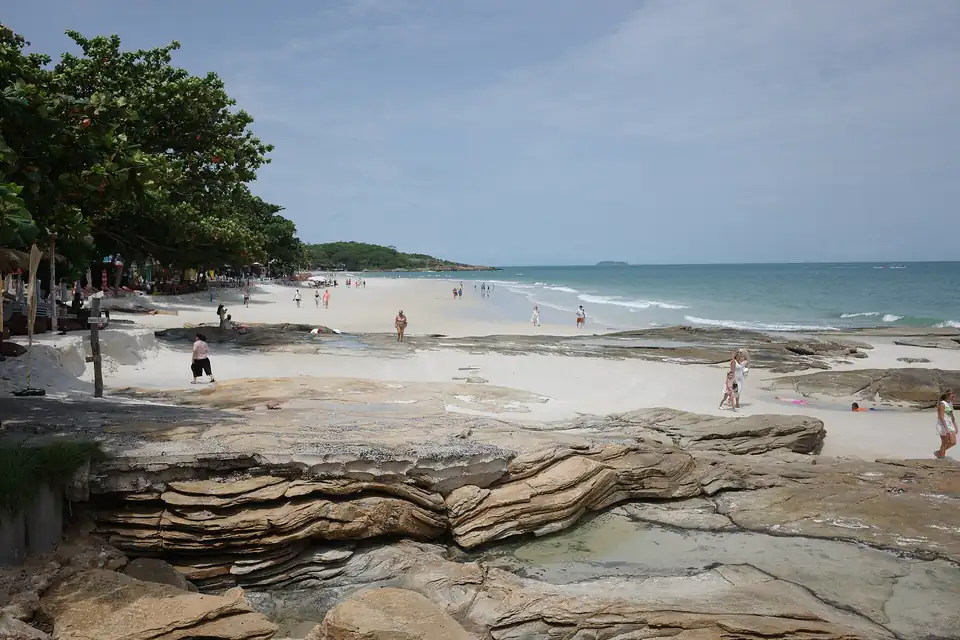 Koh Samet
 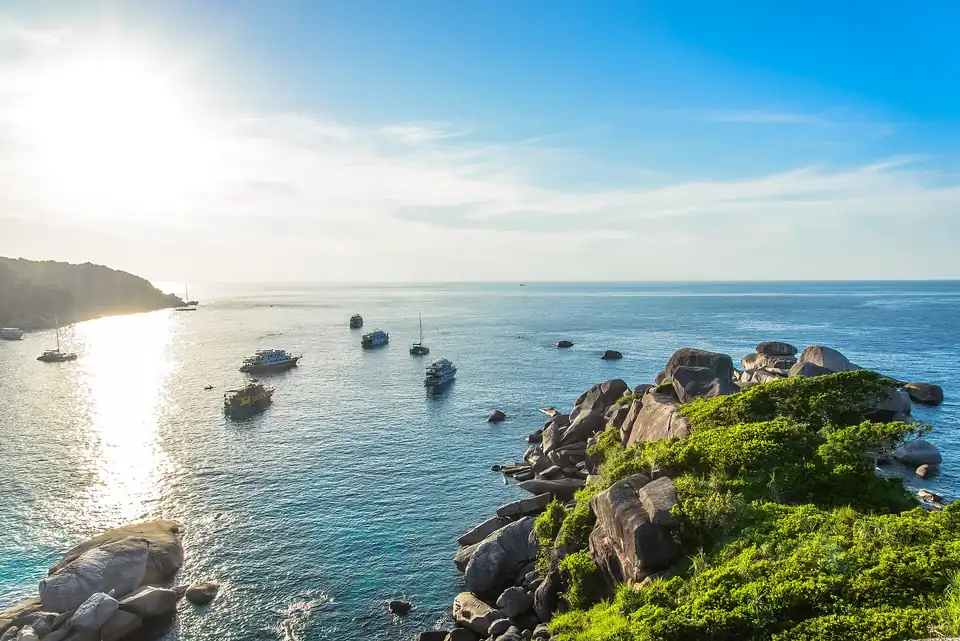 The Similan Islands
 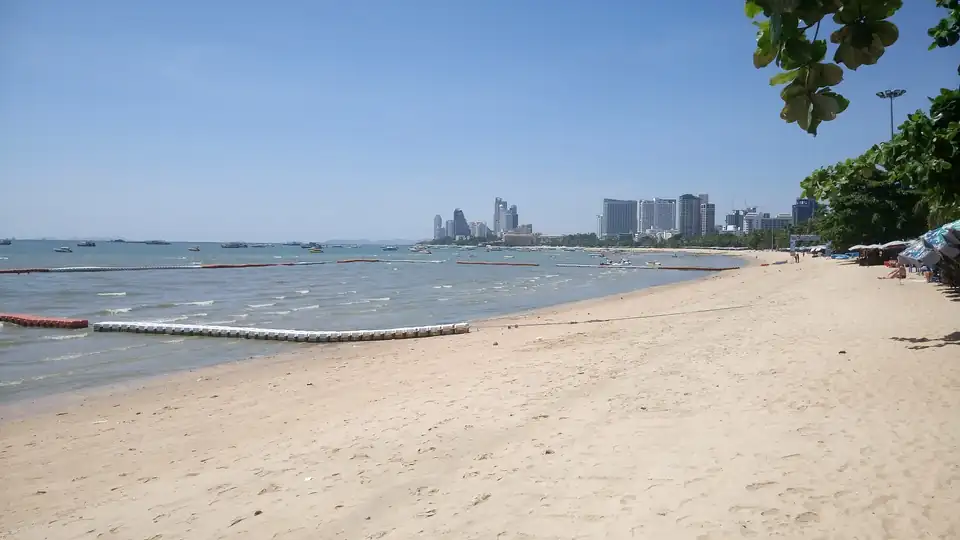 Pattaya
 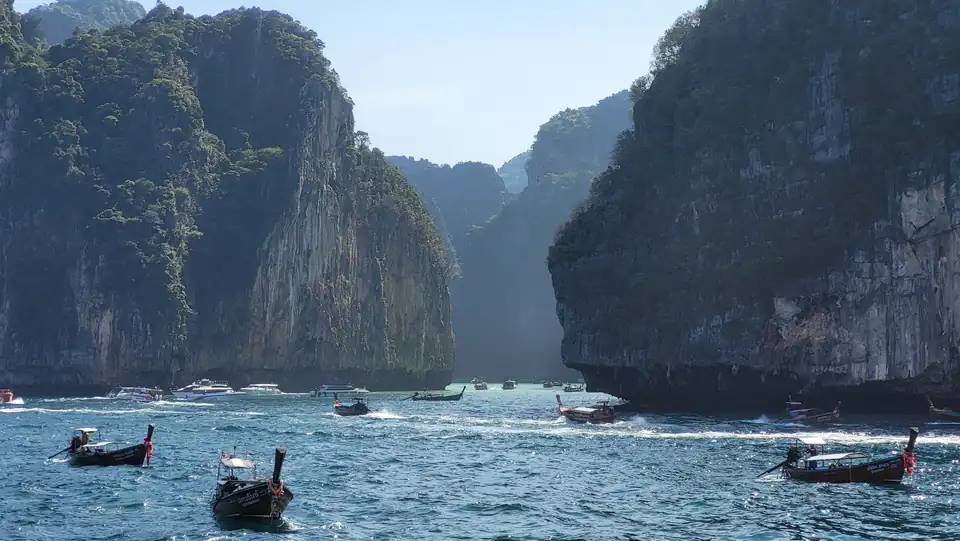 Koh Phi Phi
 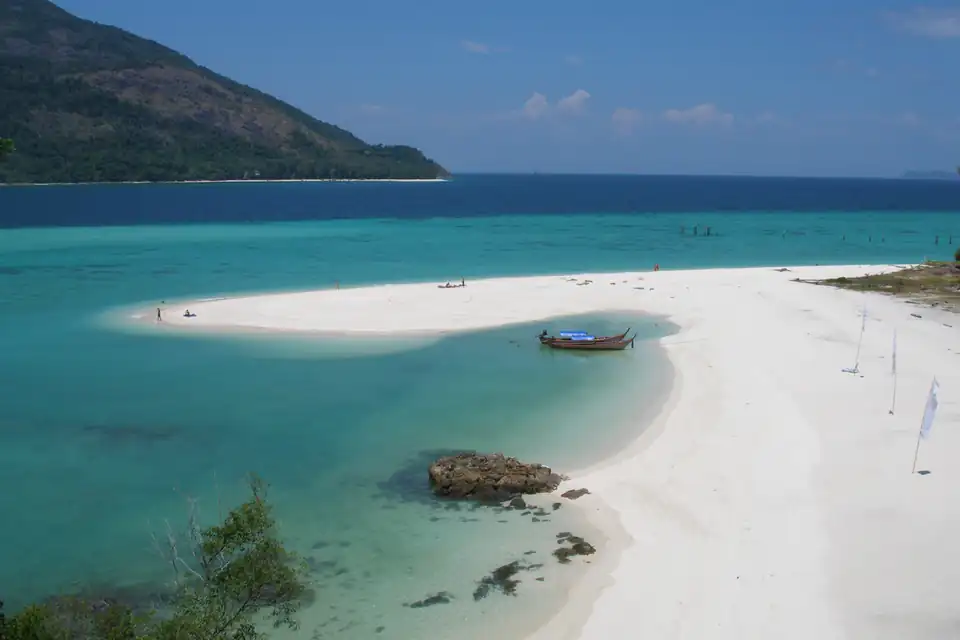 Koh Lipe
  Thailand Islands