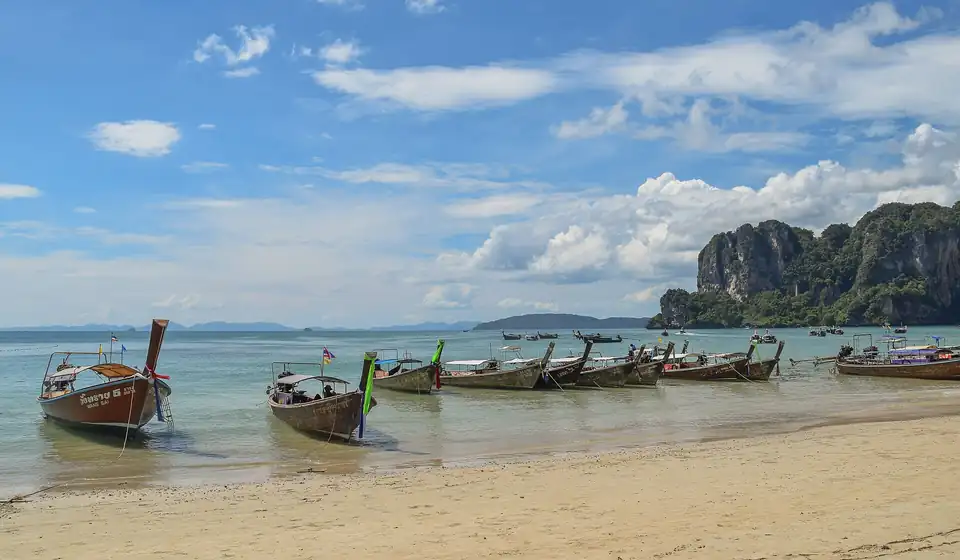
Andaman Coast
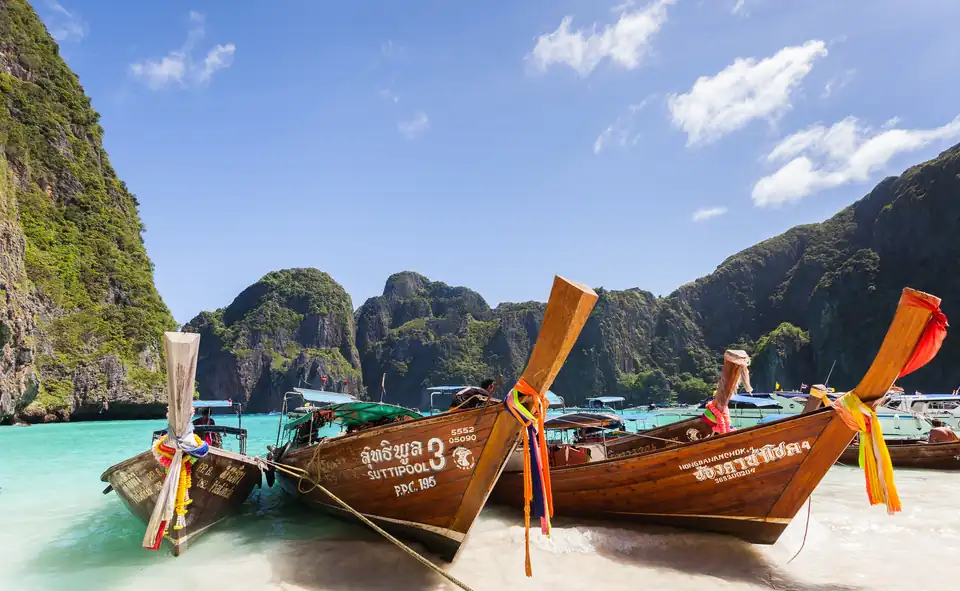
Limestone rising straight out of the sea, and the boats that get you to it.

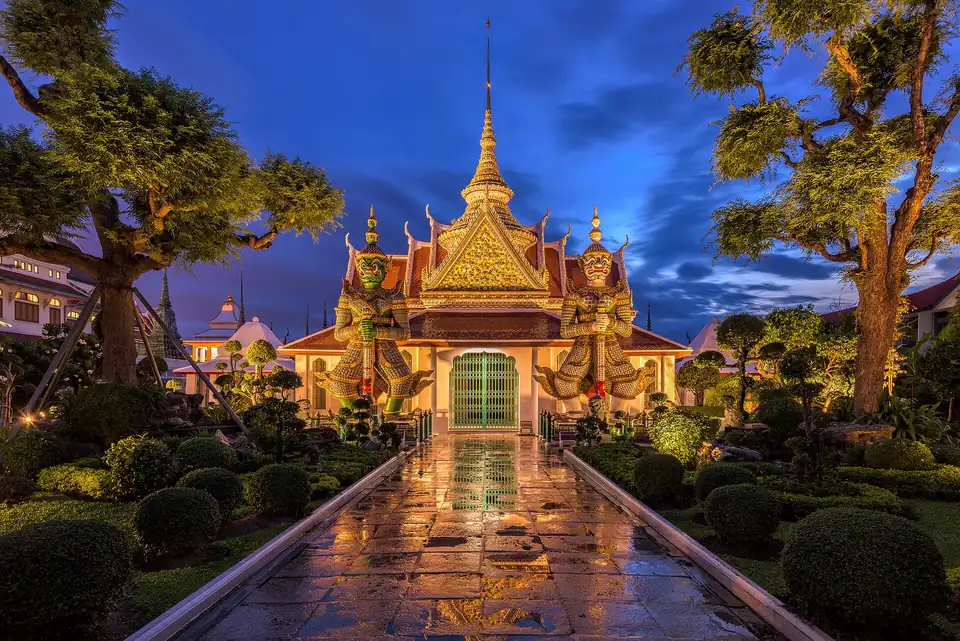
Temples, islands and street food, sorted
Thailand has two coasts and they keep different seasons. Which one you want depends on the month you can travel, and getting that pair right matters more than any other decision on a first trip. Start with the year, then pick a place.
Measured, not repeated
January, February and March. After that they part. In June, July and August the Andaman takes about three times the rain the Gulf does, which is exactly when most northern summers fall, and the Gulf saves its own wet season for October to December.
ERA5 reanalysis, 1995 to 2024, averaged per calendar month at Phuket and Koh Samui. How the seasons work
Where these places sit
Limestone rising straight out of the sea, and the boats that get you to it.

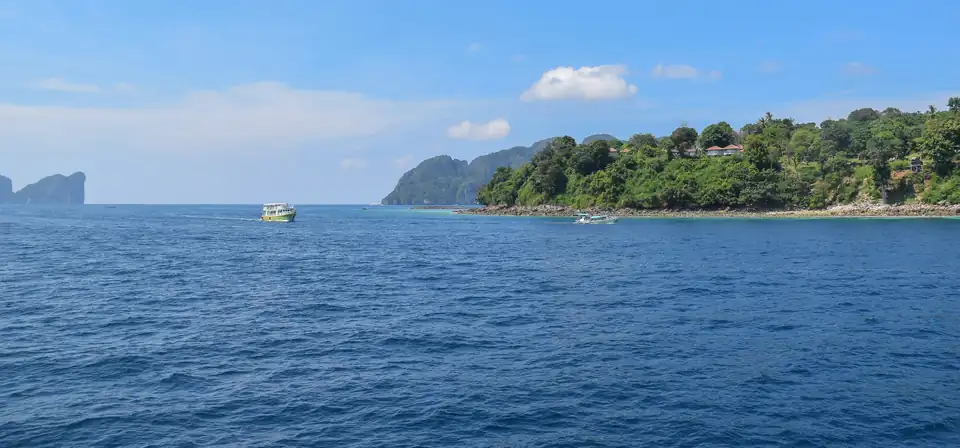
Palms to the waterline, calmer water, and a season of its own.
Once you have the coast
The month and the coast are the first decision and not the only one. These are the pages that take it from there, each written for one kind of trip rather than one place.
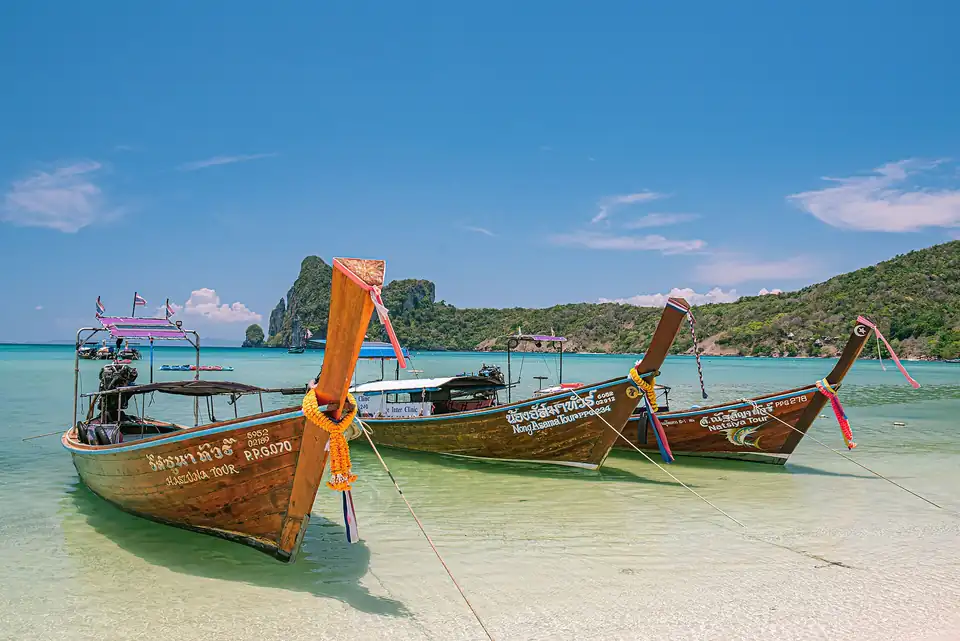 A first trip, two weeks Two itineraries that go opposite ways, and the one decision between them.
 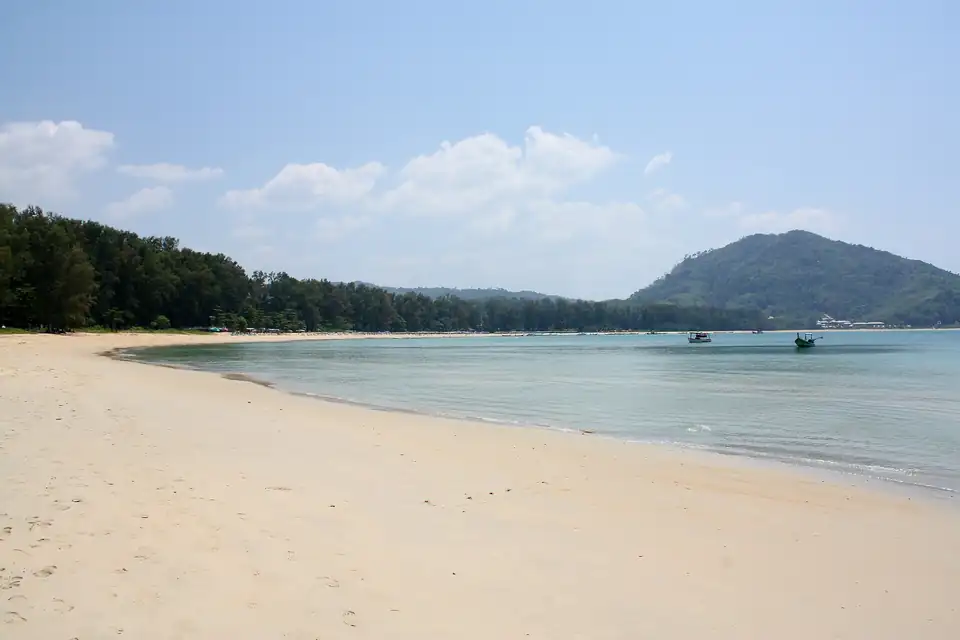 Travelling with children Which coast and which month, when the dates are set by a school term.
 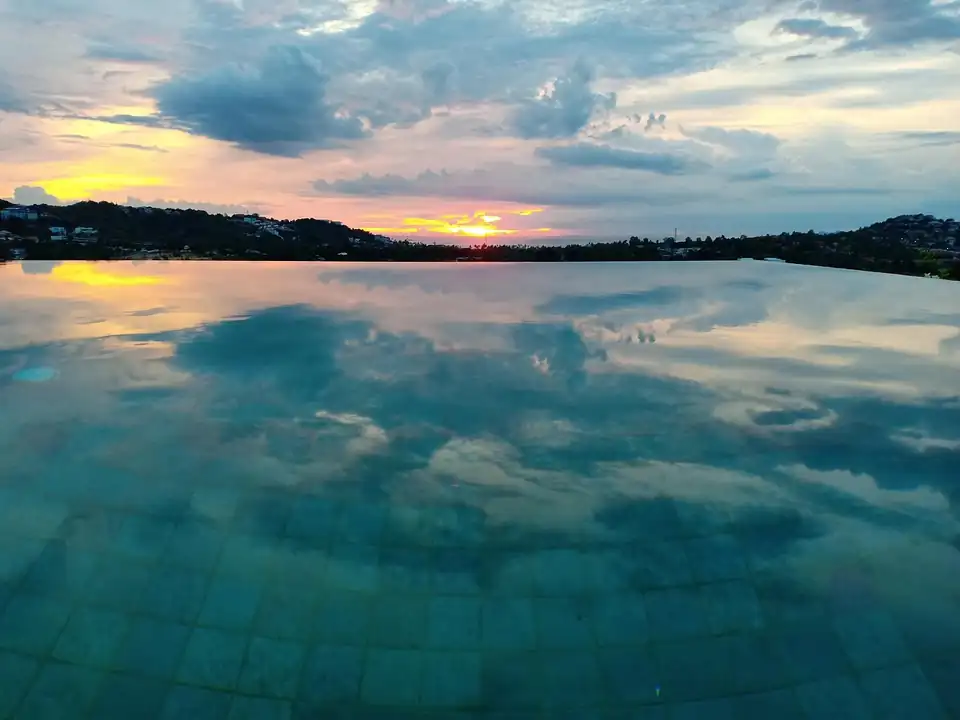 A honeymoon The wedding date chooses the coast, which is not the order most couples plan in.
  Beaches above all else Ranked by what they are for, on our own wave and rainfall measurements.
  More than one place How the pairs actually connect, and which combinations cost you a day.
  Where to base yourself Pick the area before the hotel. On an island with no transport between the beaches, the base decides the week.
 All five Thailand guides, each written for a situation rather than a place.
And the rest of the country
Bangkok and the north have a rainy season of their own, May to October, but it rarely decides anything: the temples, the markets and the trains work in it. Plan these around the coast you have chosen, rather than the other way round.
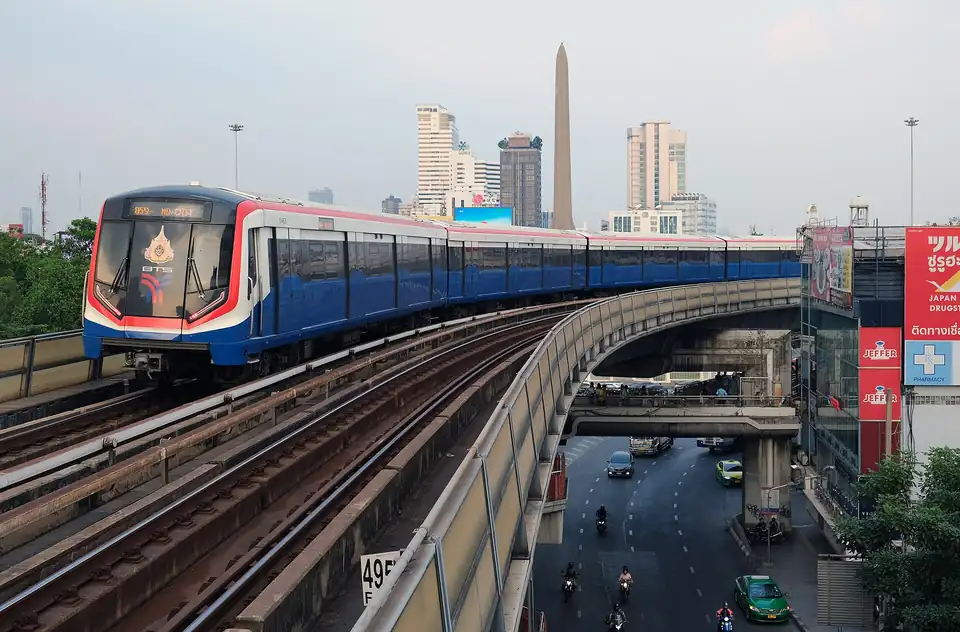 Bangkok Thailand's capital mixes gilded temples and royal palaces with chaotic markets, riverside food stalls and a skyline of rooftop bars.
 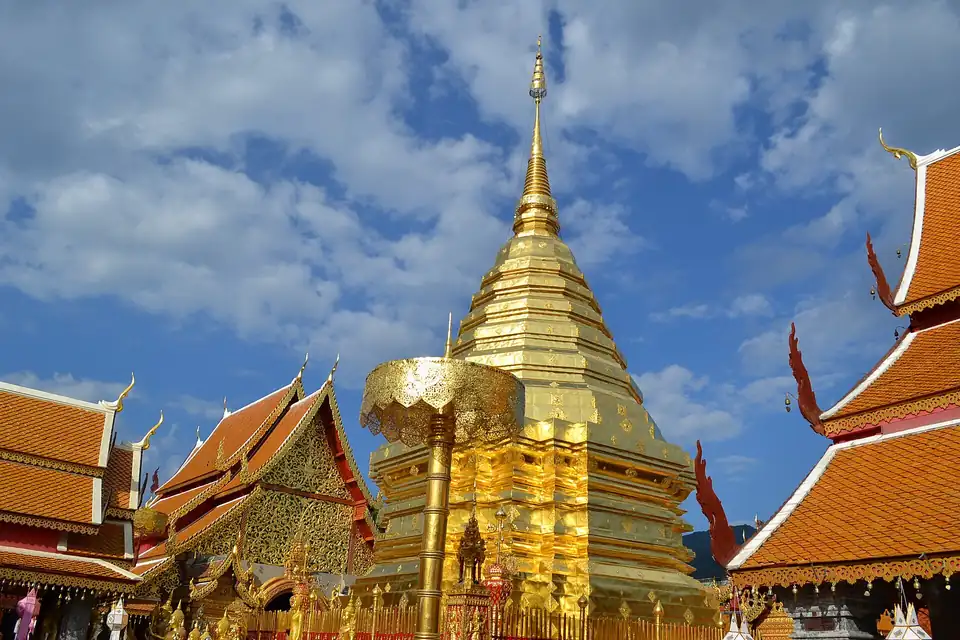 Chiang Mai Chiang Mai is the calm counterweight to Bangkok.
 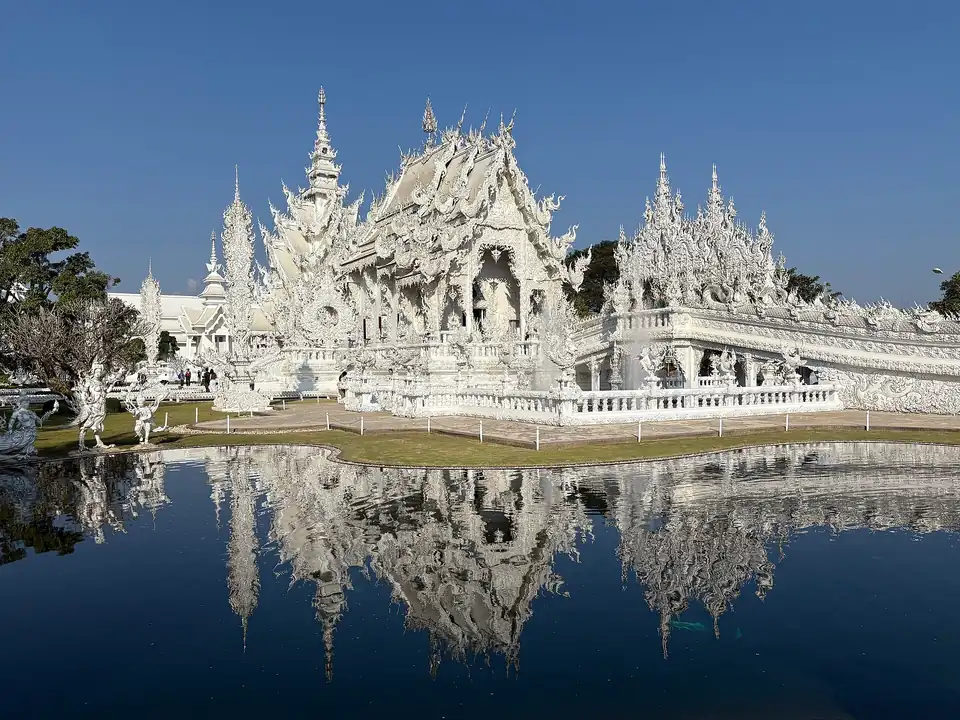 Chiang Rai Chiang Rai is the far north: a smaller, slower town than Chiang Mai three hours south of it, with the country's most photographed modern temple on its edge and the Mekong and the Golden Triangle an hour beyond.
 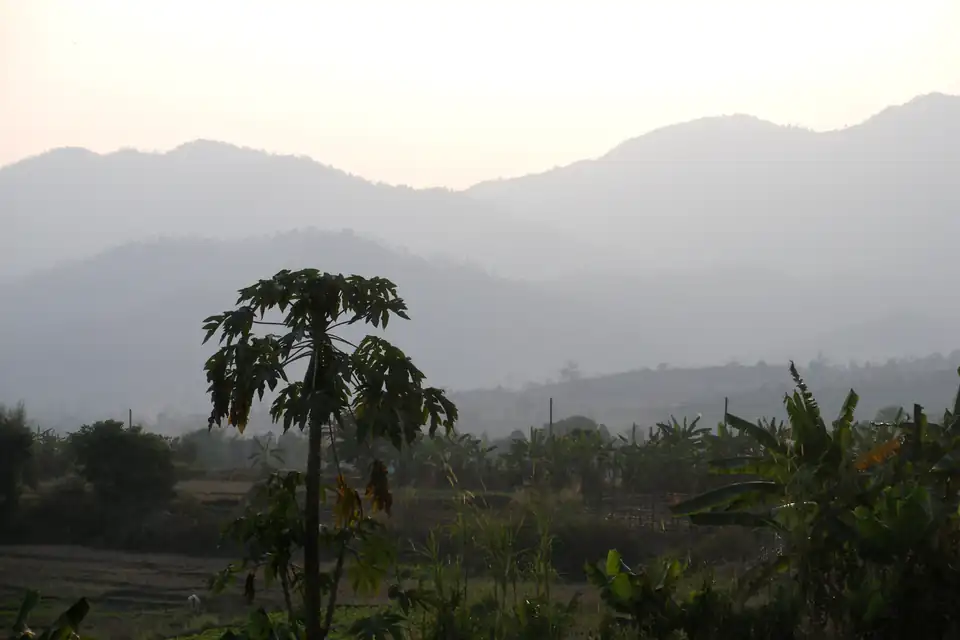 Pai Pai is a small town in a mountain valley three hours northwest of Chiang Mai, at the end of a road with 762 bends in it.
 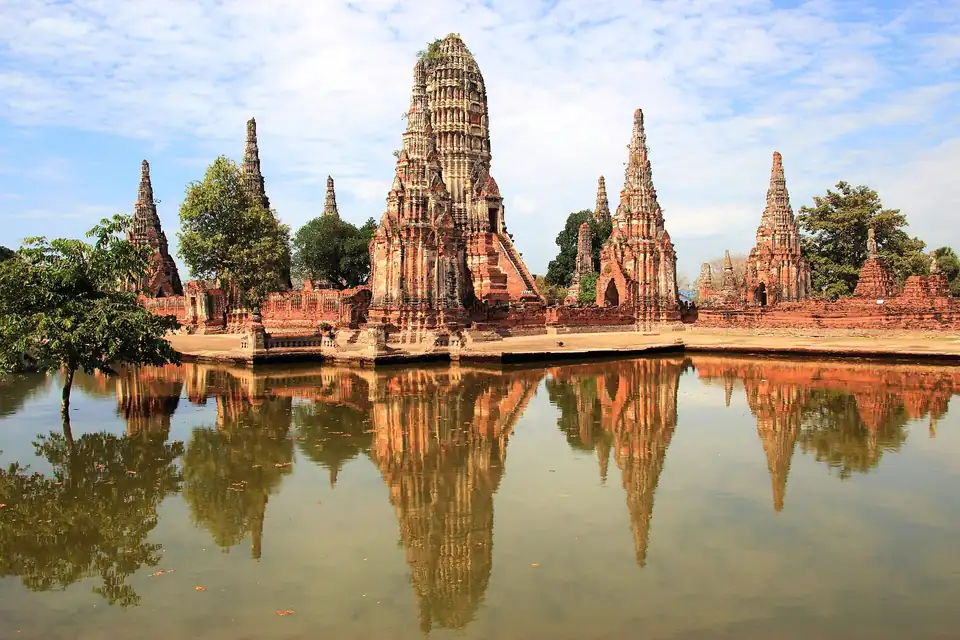 Ayutthaya Ayutthaya was the capital of Siam for four hundred years and one of the largest cities on earth before a Burmese army destroyed it in 1767.
 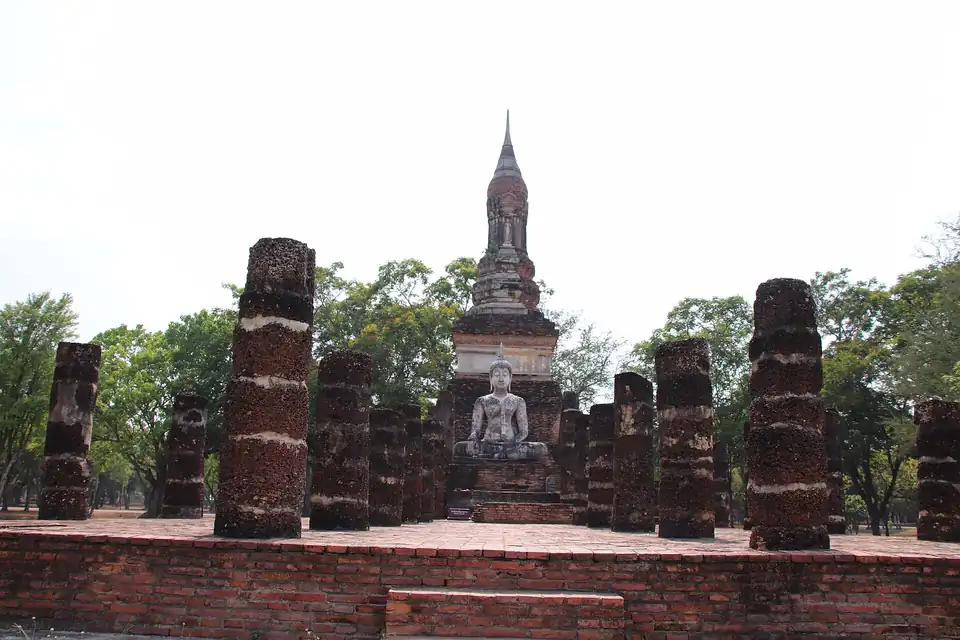 Sukhothai Sukhothai was the first Thai capital and the place the Thai alphabet and the classic walking Buddha come from.
 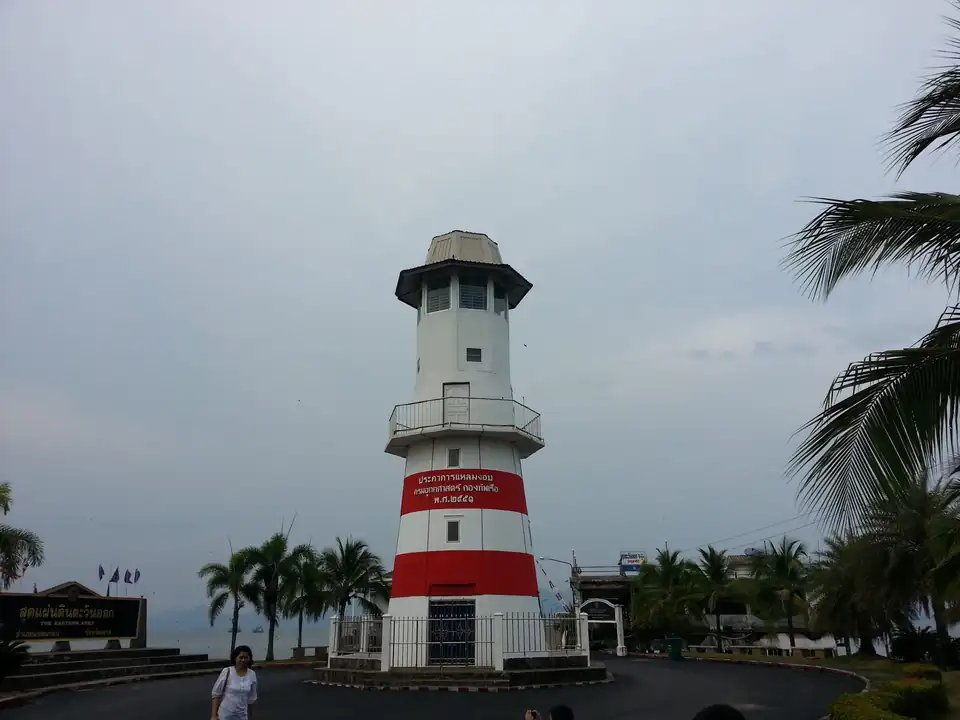 Trat The province and town at Thailand's far southeastern corner, against the Cambodian border, and the gateway to Koh Chang, Koh Mak and Koh Kood.
  Koh Mak A flat coconut and rubber island between Koh Chang and Koh Kood, about thirty square kilometres, quiet enough to cycle across and owned for generations by a handful of families.
  Koh Kood Thailand's fourth-largest island and one of its least developed: about two thousand people, a few villages, no nightlife and no town, at the far eastern end of the country near Cambodian water.
 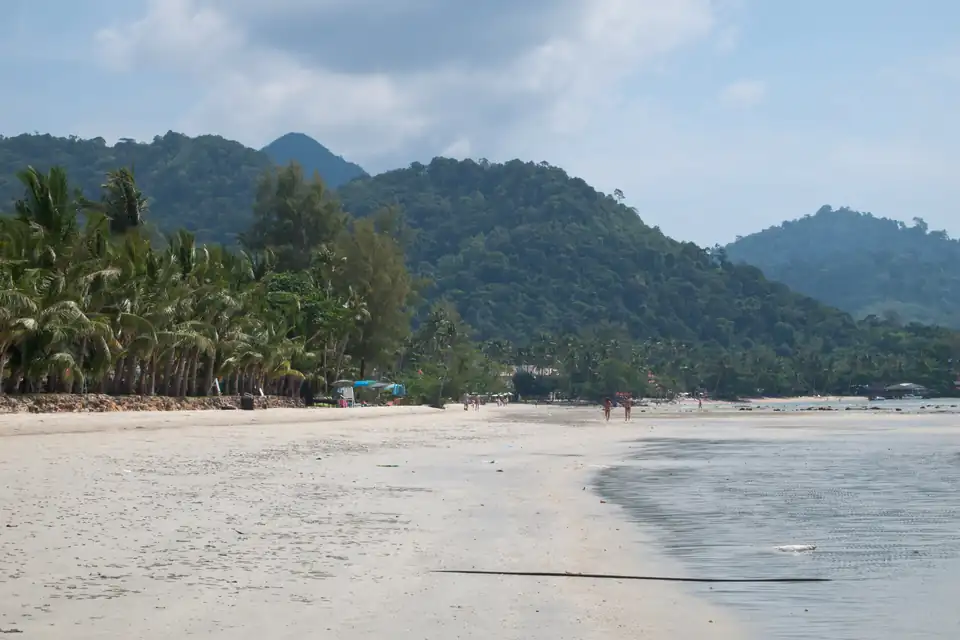 Koh Chang Thailand's second-largest island, in Trat near the Cambodian border, and the one most people have not been to.
 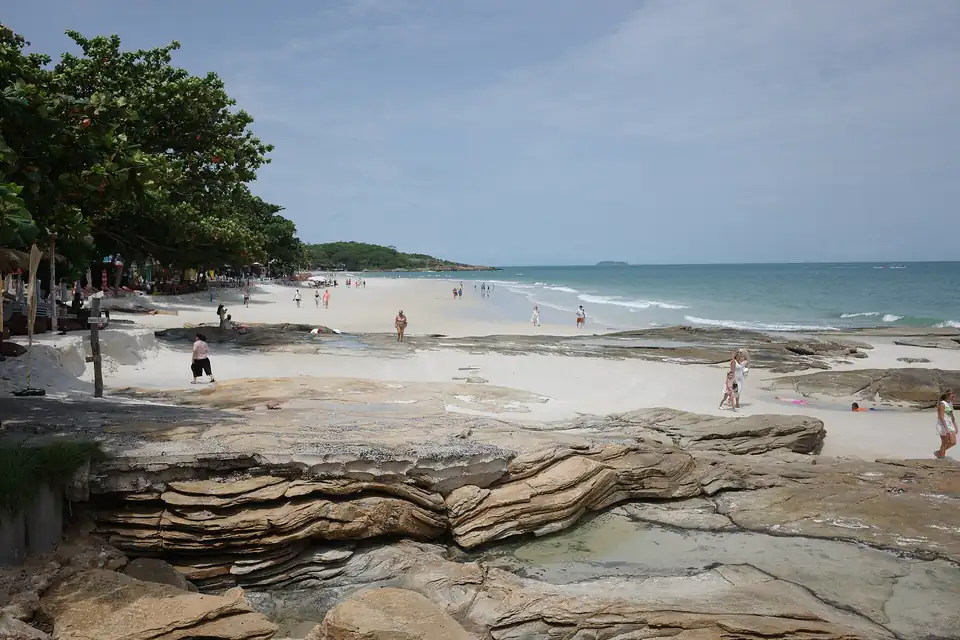 Koh Samet Koh Samet is the island Bangkok goes to for the weekend: three hours by road and forty minutes by boat, inside a national park, with white sand on its eastern side and very little on the rest of it.
 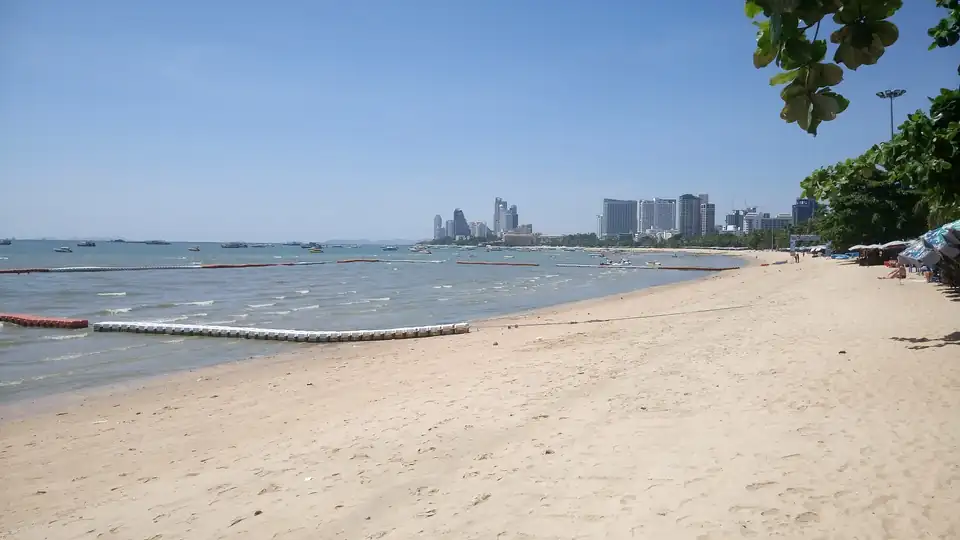 Pattaya Pattaya is a city of a hundred thousand people on the Gulf, two hours from Bangkok, with a reputation that belongs to one street of it and three beaches that are three different holidays.
 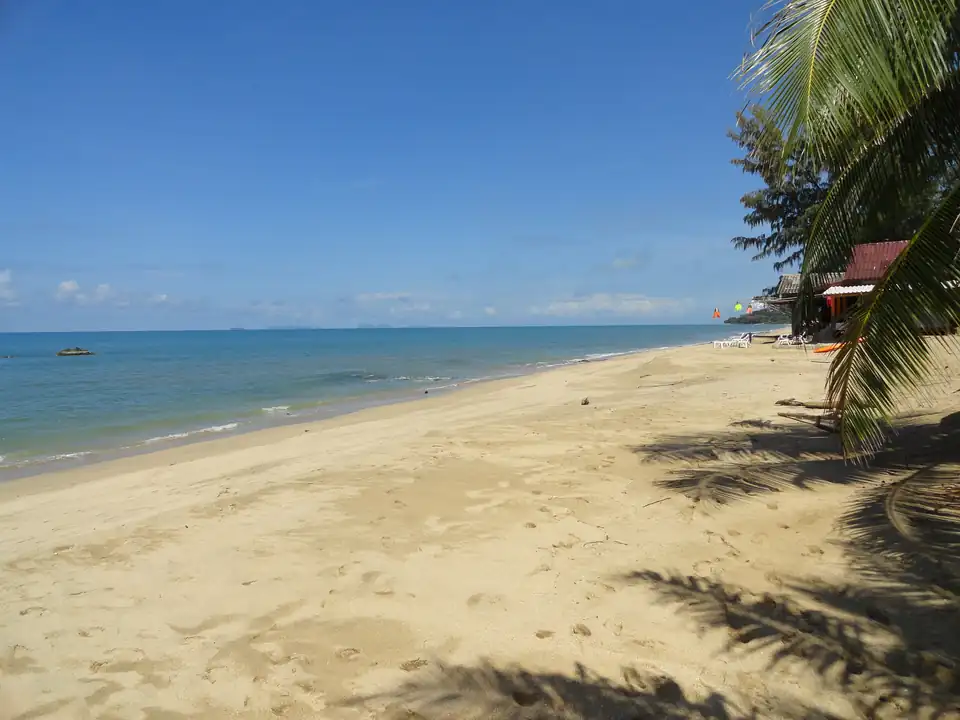 Thailand Islands Thailand's islands split between two seas, and the difference shapes any beach trip.
  Free cancellation
 Free cancellation
 Free cancellation
 Free cancellation
 Free cancellation
 Free cancellation
Ten days lets you pair a city such as Bangkok or Chiang Mai with a stretch on the islands. Two weeks adds room to slow down and see more than one region without rushing. Two weeks in Thailand
The cool, dry season from November to February suits most of the country, but the two coasts do not share a calendar: the Andaman and the Gulf peak at different times of year, which decides the route more than anything else. All twelve months, measured
It depends on your nationality and how long you plan to stay. Every visitor now files the Thailand Digital Arrival Card before entry, which is free and is not a visa. Visas and the arrival card
It can be either. Street food, local transport and simple rooms make a modest daily budget go a long way, while island resorts and private transfers move the figure quickly. What a trip actually costs
Domestic flights cover the long hops, overnight trains and buses the middle distances, and ferries the islands. Which combination works depends on which coast you are heading for. Getting around Thailand