
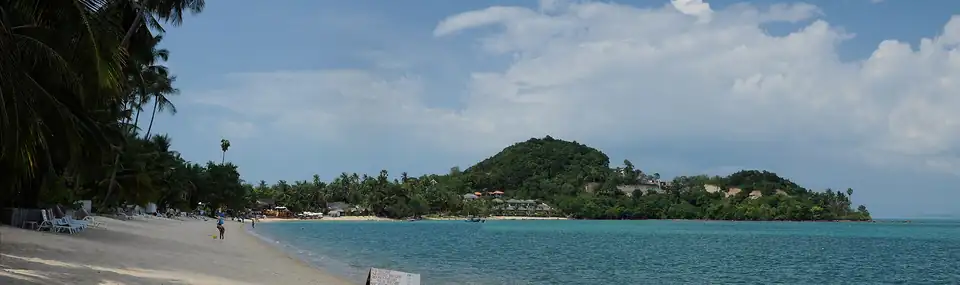
Koh Samui · Gulf Islands
Koh Samui: The Island Whose Season Runs Backwards
The largest of the Gulf islands, three months out of step with the coast everybody plans around.
- Driest months
- January to April 4 months under 150mm, 15 rain days or fewer
- Best for
- Beach resorts and the Gulf
- Airport
- Samui (USM)
- Getting around
- Hired scooter or taxi
Koh Samui is the largest island in the Gulf of Thailand, the only one in the group with its own airport, and the easiest beach in southern Thailand to actually reach. A ring road of about fifty kilometres runs round the outside with the resorts on the seaward side of it, and you can drive the whole circumference in an afternoon. Our car hire page measures the drive from each beach to everything else, and makes the case for a car for a few days rather than the week.
It is also the island most often booked in the wrong month, and that is not a small error here. Samui keeps a different calendar from Phuket and Krabi, and almost everything written about “the best time to visit Thailand” describes the other coast.
The one thing to know before anything else
Samui’s wet season is October and November, not the summer. November is the worst month of its year at 313mm of rain across 23 days, which lands within a couple of millimetres of Phuket’s own annual maximum. Meanwhile in June, July and August, when the Andaman coast is taking between 223mm and 248mm a month, Samui takes between 85mm and 90mm.
The second half of that fact is stranger and fewer people know it. On this coast dry and calm are not the same season. October is the calmest sea Samui gets all year, 0.24 metres off Chaweng, and it is also the second-wettest month. December, January and February are dry and have the roughest water of the year, because the northeast monsoon blows onto this coast after the rain has gone. A dry forecast in January is not a promise of a flat sea, and that catches out a great many Christmas bookings.
Both bands, month by month, with the four months that are good on each at once, are on the weather page.
Phuket or Koh Samui
This is the most common question about the island and it has a clean answer, because we measure both.
From November to March, Phuket. The Andaman is dry, its west-coast sea drops under half a metre, and Samui is either in its wet season or has its roughest water.
From April to September, Koh Samui. In July, Phuket takes 223mm of rain and runs 1.30 metres of wave off Patong; Samui takes 90mm and runs 0.36 off Chaweng. That is the difference between watching the sea and swimming in it.
Beyond the calendar, the two islands differ in a way the figures also show. On Phuket the beach you pick genuinely decides the sea you get: Mai Khao averages 0.37 metres in February and Kata 0.60, on the same island on the same day. On Samui five of the eight beaches we measure share one grid cell and carry identical figures. Phuket is a place where the beach matters; Samui is a place where the month matters. Phuket also has more to do, more to eat and worse traffic. Samui is smaller, calmer and easier to get around.
Where the island divides
Chaweng on the east coast is the main strip, with the longest and best beach and everything else behind it. Lamai just south is the smaller, cheaper version. Bophut on the north coast holds Fisherman’s Village, one lane of old wooden shophouses turned into restaurants, and is the best evening on the island attached to an ordinary beach. Choeng Mon and Maenam are the quiet north-coast bays that still have somewhere to eat. The west coast around Taling Ngam has the sunsets, the most private resorts and nothing within walking distance.
All eight beaches are compared on the beaches page, and which area suits which trip is worked through on where to stay.
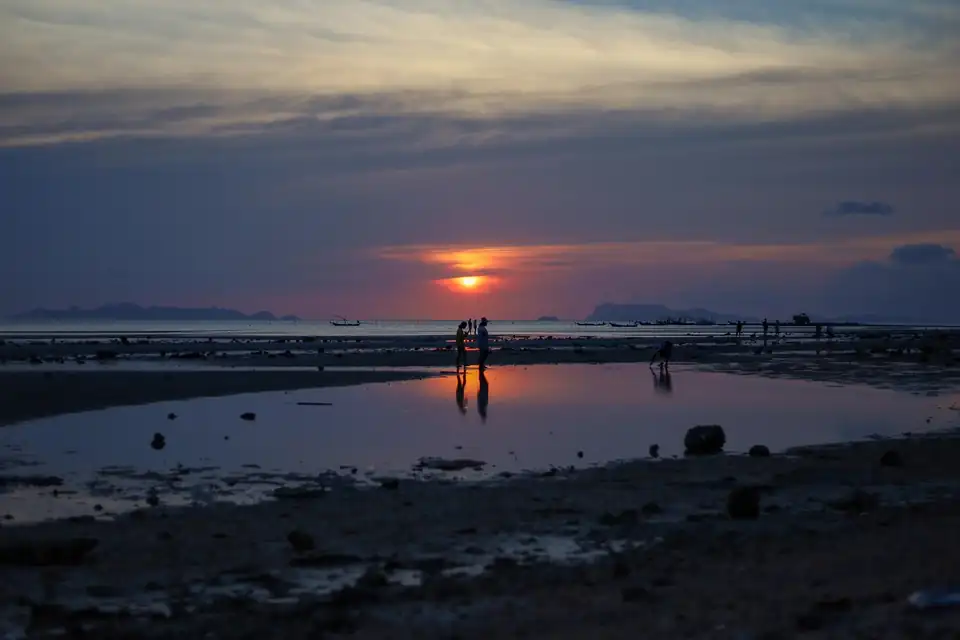
What there is to do
The island’s own list is short and good: the Big Buddha at the northeast corner, the Hin Ta and Hin Yai rocks at Lamai, two sets of waterfalls inland, night markets at Bophut and Lamai, and a wellness scene that is a genuine reason people come rather than a brochure line.
The bigger draw is the neighbours. Koh Pha Ngan is half an hour by ferry and much quieter than its Full Moon reputation on the other twenty-nine nights. Koh Tao is an hour beyond that and is one of the cheapest places in the world to learn to dive. Ang Thong marine park, a scatter of about forty limestone islands to the west, is the day trip worth keeping.
Two attractions here come with a caveat rather than a recommendation, and we set out why on the things to do page: Pig Island, and the several venues on the island using the unregulated word sanctuary for elephants.
Getting there
Samui’s airport is privately operated and Bangkok Airways is the only carrier flying most routes into it nonstop, which is why the fare is what it is. From Bangkok it is around an hour in the air with roughly 56 departures a week; from Phuket it is 55 minutes, or six to ten hours overland by coach and ferry across the peninsula. The cheaper way in from the mainland is to fly to Surat Thani and take the bus and ferry combination, which costs a fraction and takes a few hours longer.
Timings, operators and the seasonal caveats for each crossing are on the route pages: Bangkok to Koh Samui, Phuket to Koh Samui and Krabi to Koh Samui.
How long to give it
Four nights is a comfortable minimum for a beach stay with one boat trip. A week lets you add Pha Ngan or Tao without rushing, and splitting the time between two of the three islands is what most people should do rather than treating Samui as a single base.
For the wider region see the Gulf Islands, or compare both coasts in our guide to Thailand’s islands.
Getting to and from Koh Samui
Times, how often each runs, and what it costs, for every route we have checked.
Popular Koh Samui tours and day trips
 Free cancellation
Half Day Highlights Koh Samui Tour
 Free cancellation
Angthong National Marine Park VIP Small Group Tour
 Free cancellation
Semi-Private yacht adventure to Ang Thong Park’s hidden treasures
 Free cancellation
Pig Island Tour by Speedboat with Snorkeling
 Free cancellation
2-Hour Koh Samui ATV Quad Tour
 Free cancellation
Cooking Class in Koh Samui with Micro Organic Garden
Koh Samui FAQs
Is Koh Samui worth visiting?+
Yes, with one condition: go in the right month. Koh Samui is developed, easy to reach and comfortable, and it is the most convenient island in Thailand to get to without a long overland journey. Booked in November it is the wettest month of its year at 313mm, and booked in June it is drier than Phuket manages in February.
Is Phuket or Koh Samui better?+
They are better at opposite times of year, and that is the honest answer rather than an evasion. From November to March, Phuket and the Andaman coast. From April to September, Koh Samui, which takes about a third of the Andaman's rain in the summer months while its sea stays under half a metre. Phuket has more to do and better beaches; Samui is smaller, easier and quieter.
What is the best time to visit Koh Samui?+
April, May, June and August, which are the four months the island is both dry and calm at once. February is the driest month at 41mm but the sea is at its roughest then. October and November are the ones to avoid, at 270mm and 313mm.
How many days do you need in Koh Samui?+
Four nights for a beach stay with one boat trip and one afternoon on the ring road. A week if you add Koh Pha Ngan or Koh Tao, which is what most people should do, since the island itself does not hold ten days unless a resort and a book are the point.
Do you need a scooter on Koh Samui?+
Only in some areas. Chaweng, Lamai and Bophut are walkable and self-contained. Maenam, Bang Por and the whole west coast are not, and without transport a stay there becomes a resort holiday whether you intended one or not.
Other destinations
 Bangkok
  Chiang Mai
  Phuket
  Krabi
Krabi  Khao Lak
  Chiang Rai
  Pai
Pai  Ayutthaya
  Sukhothai
  Koh Phangan
  Koh Tao
  Trat
Trat  Koh Mak
  Koh Kood
  Koh Chang
  Koh Samet
  The Similan Islands
  Pattaya
  Koh Phi Phi
 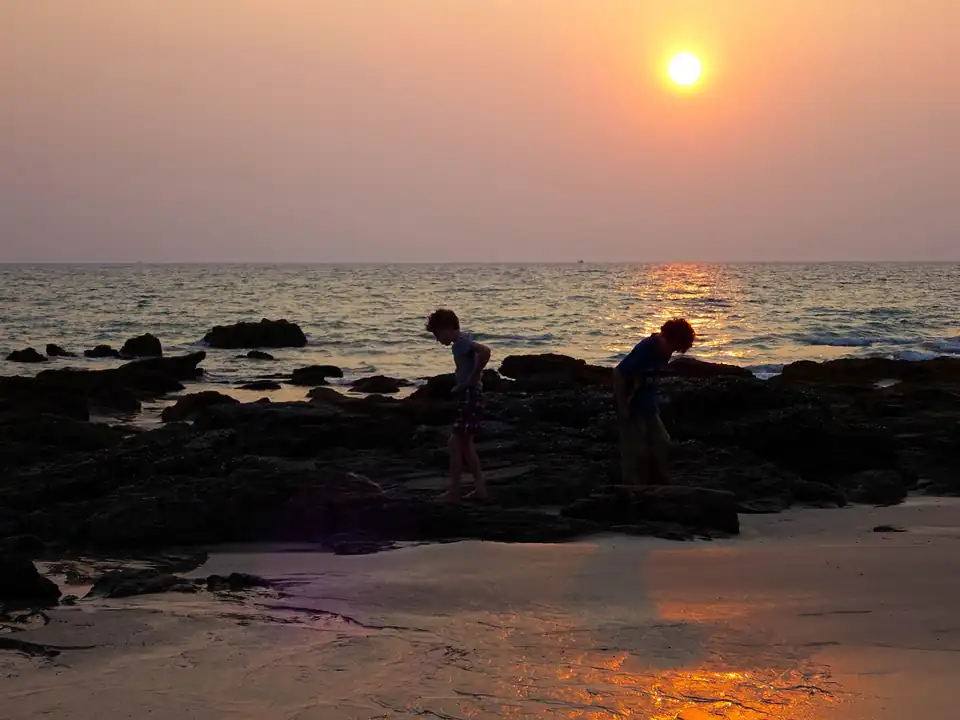 Koh Lanta
 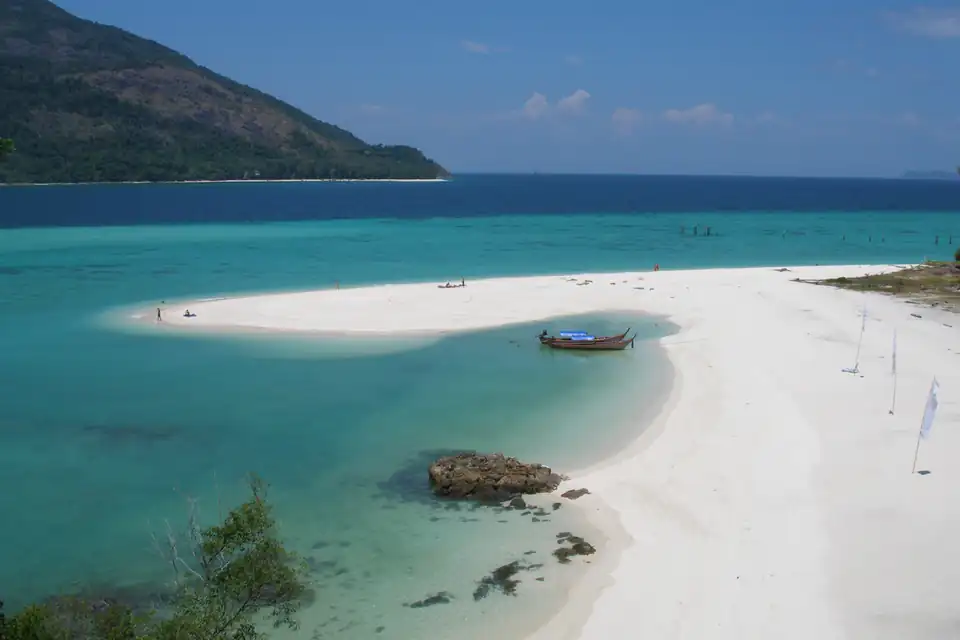 Koh Lipe
 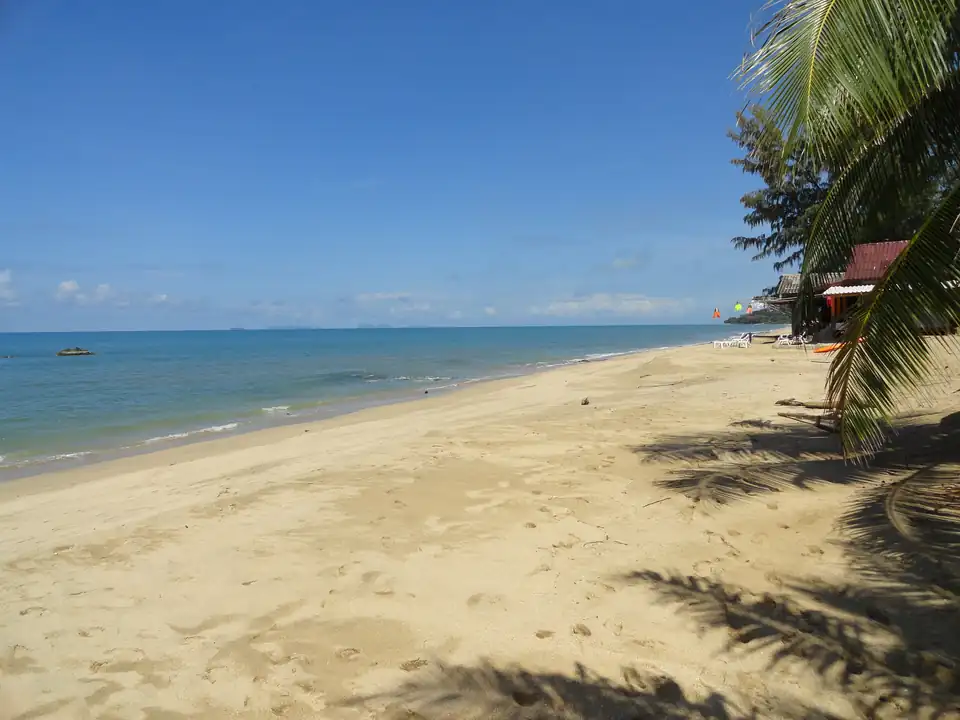 Thailand Islands
 -
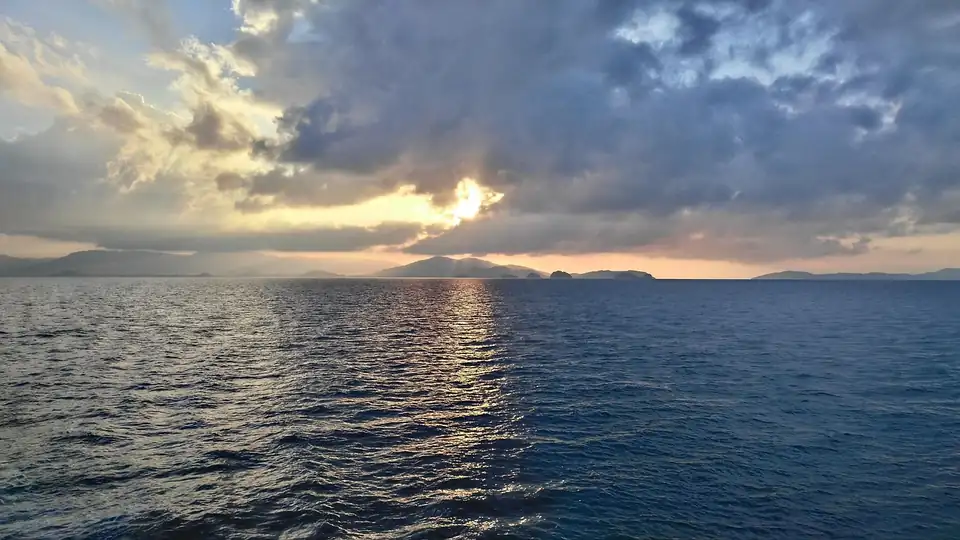 Koh Samui Weather, Month by Month
 -
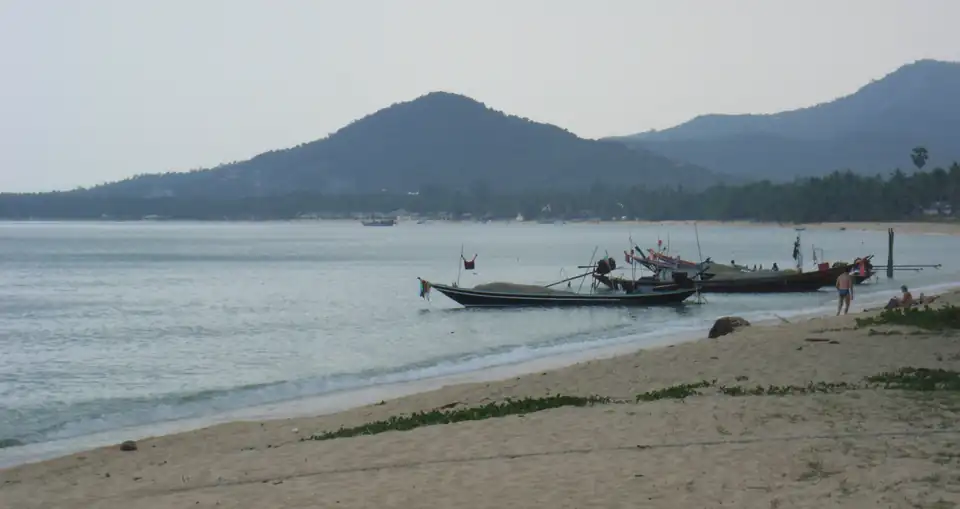 Koh Samui's Beaches
 -
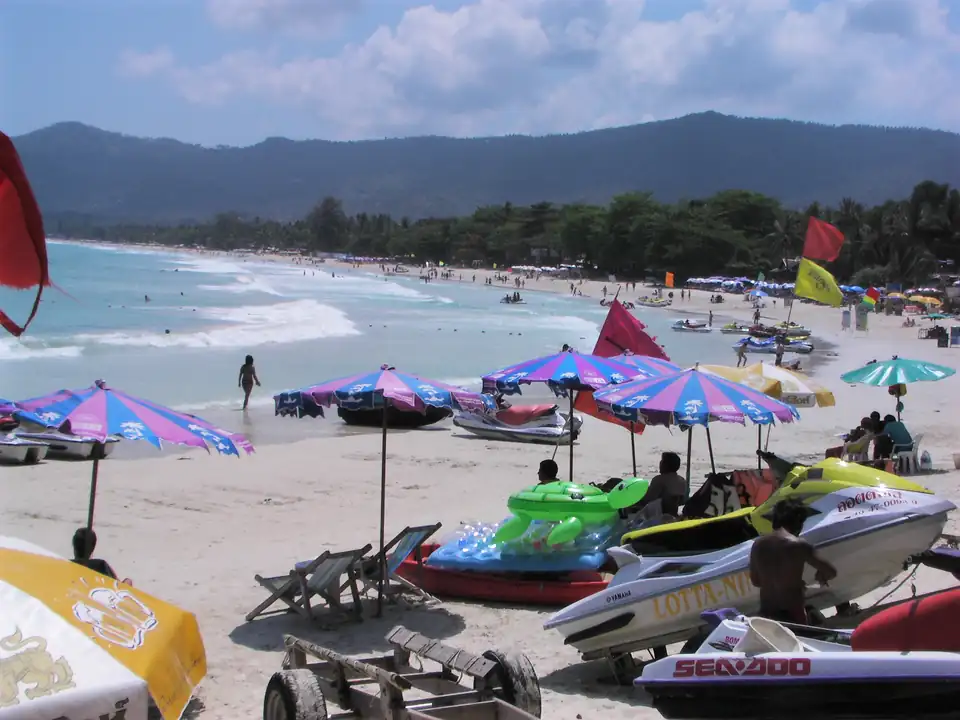 Chaweng Beach, Koh Samui
 -
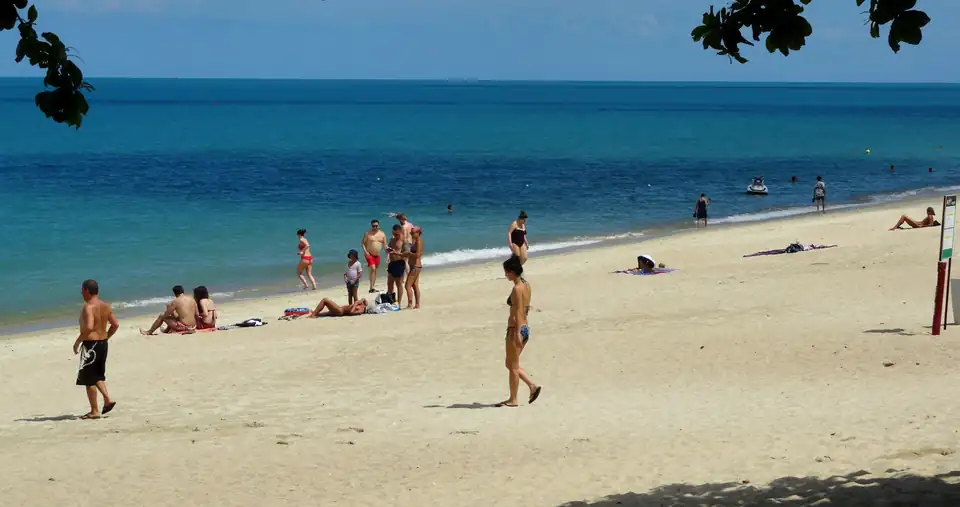 Lamai Beach, Koh Samui
 -
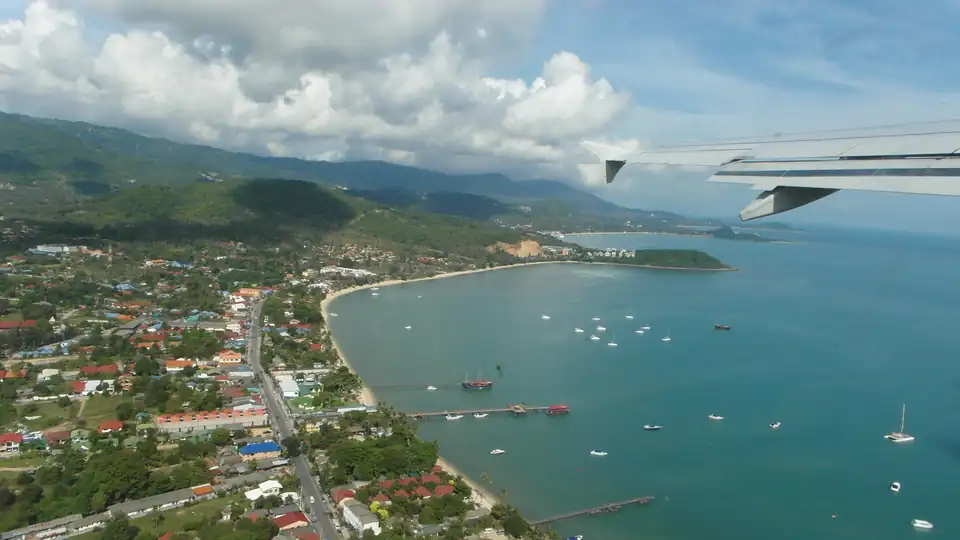 Bophut Beach
 -
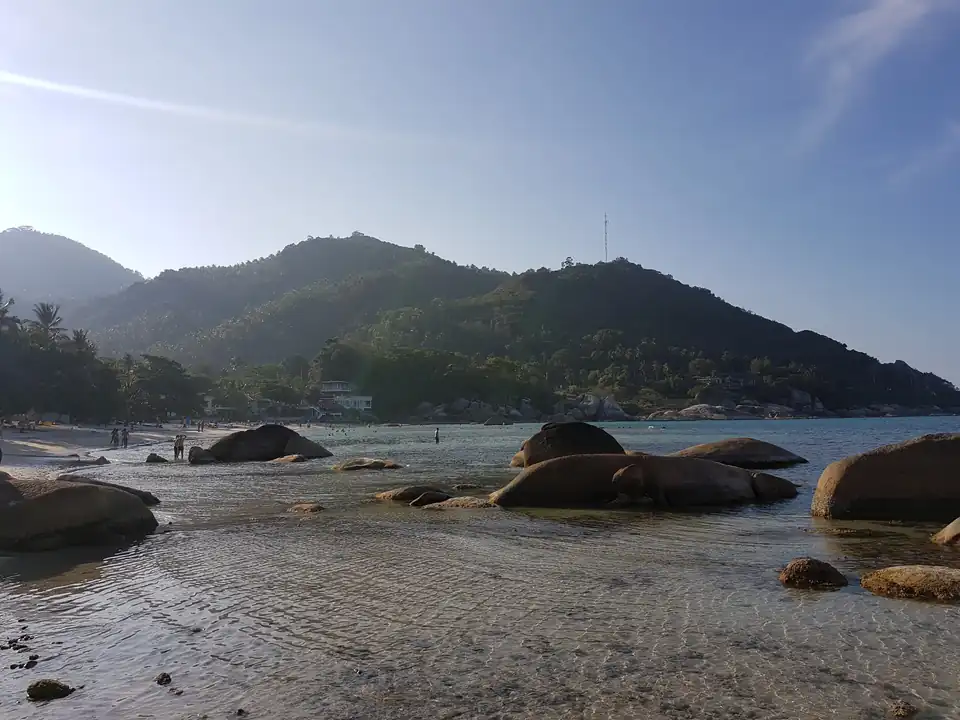 Silver Beach, Koh Samui
 -
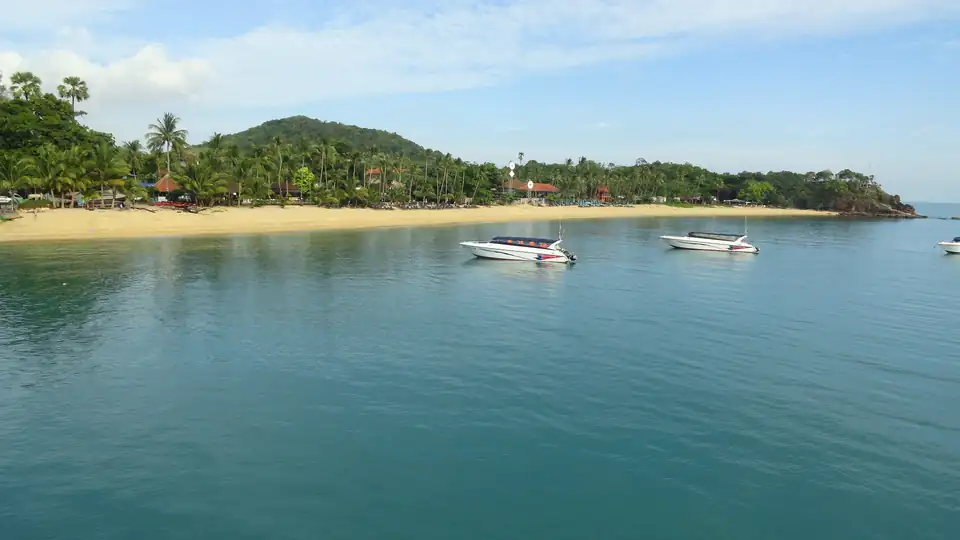 Maenam Beach, Koh Samui
 -
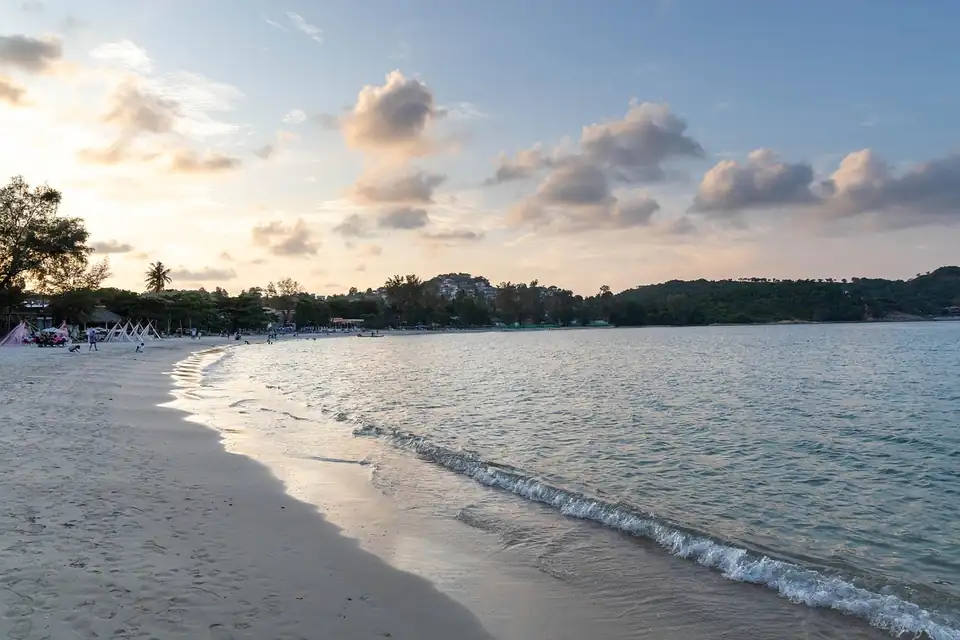 Choeng Mon Beach, Koh Samui
 -
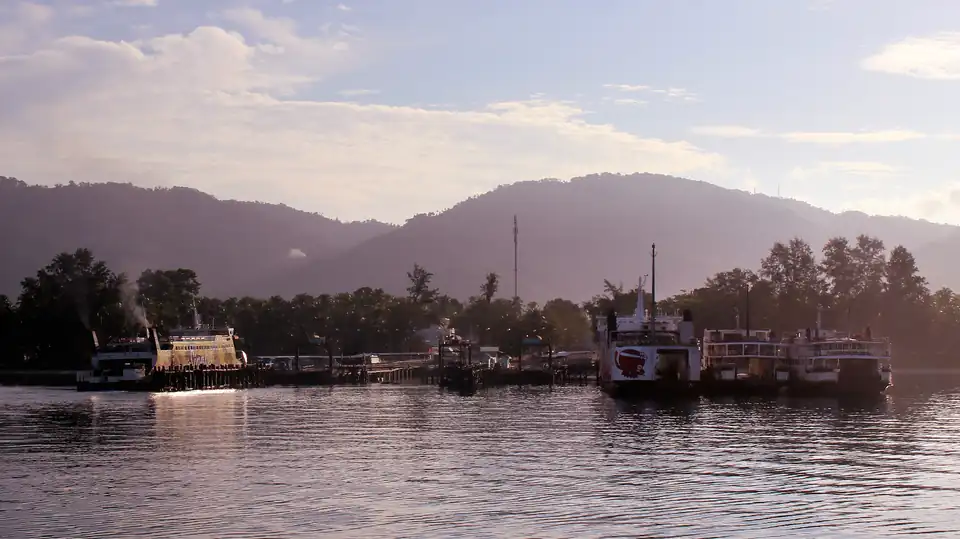 Lipa Noi Beach, Koh Samui
 -
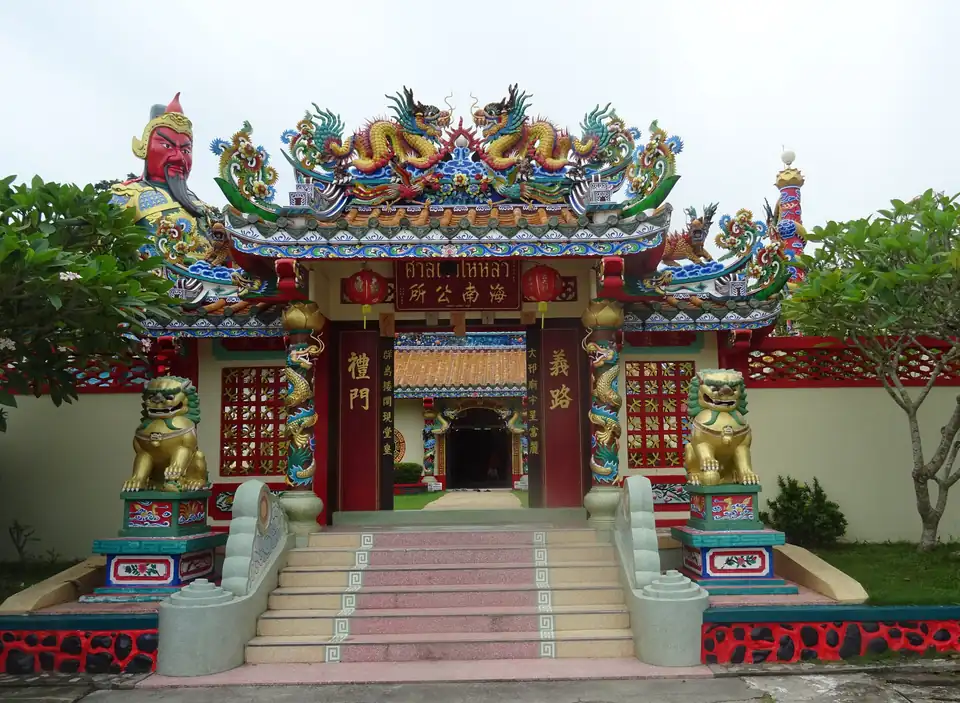 Nathon
 -
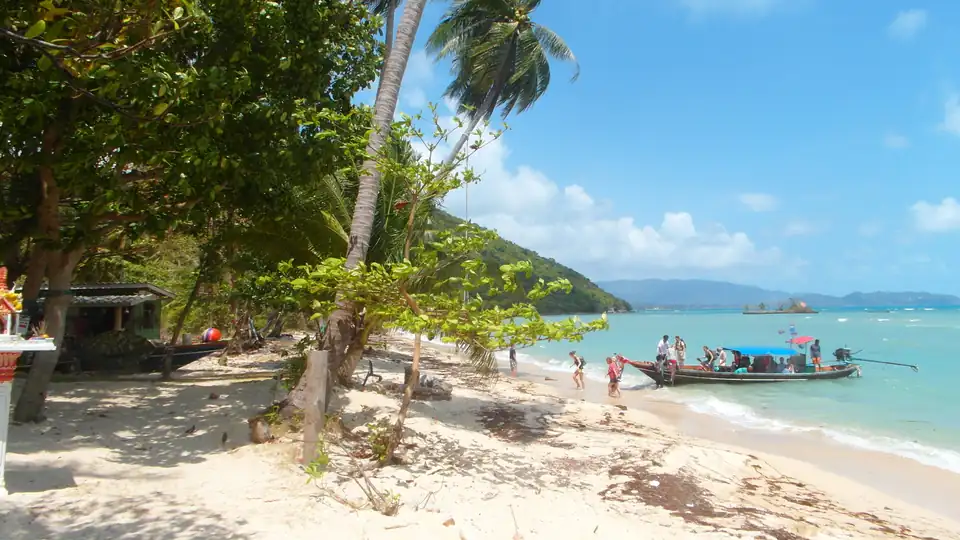 Pig Island (Koh Madsum)
 -
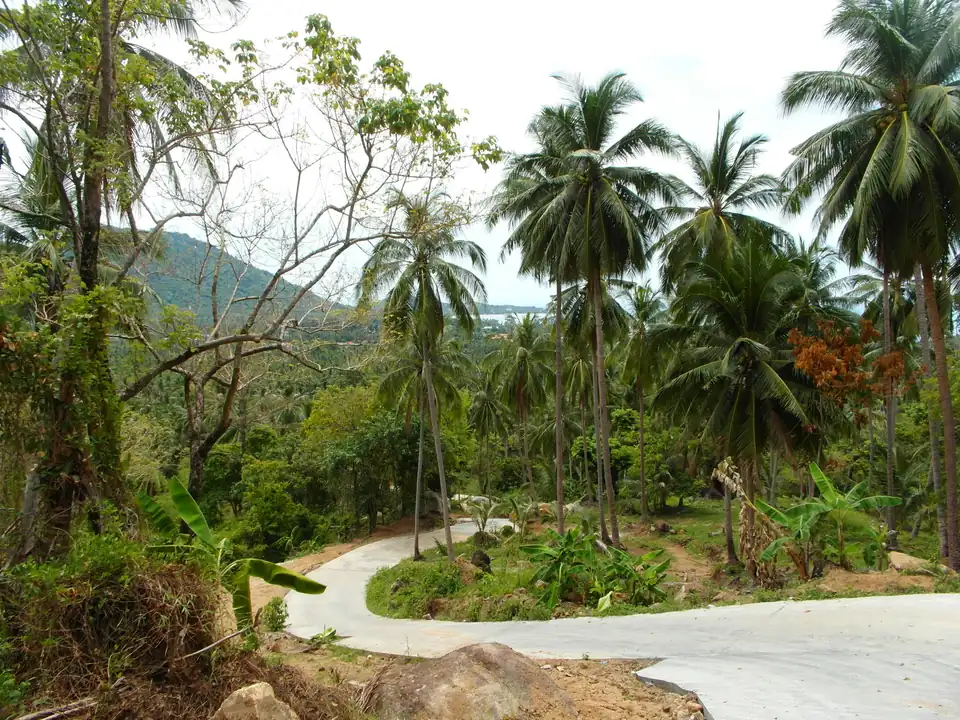 Car Hire
 -
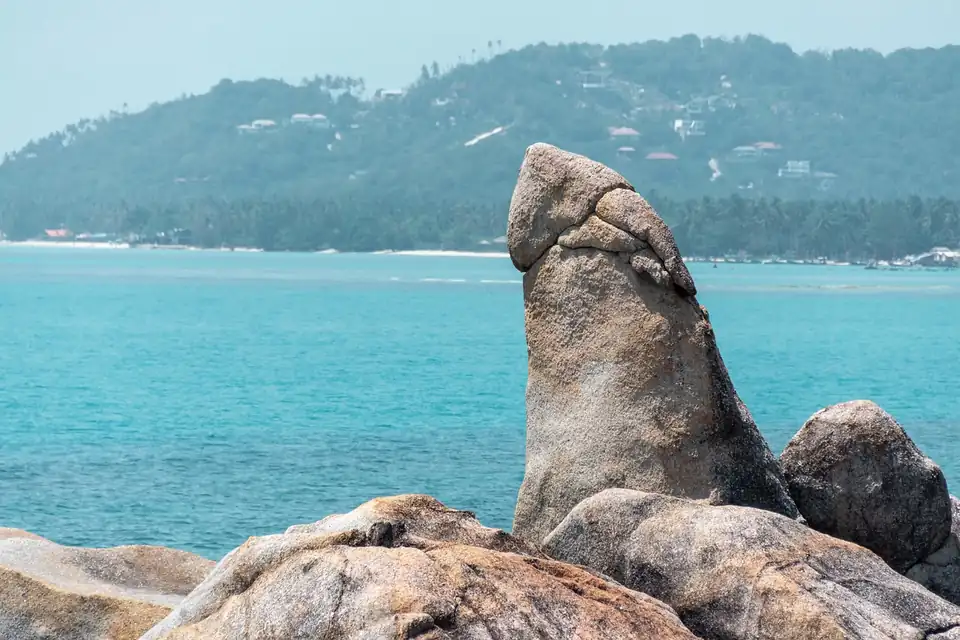 Things to Do on Koh Samui
 -
 Where to Stay on Koh Samui
Areas covered: Chaweng, Lamai, Bophut & Fisherman's Village, Choeng Mon, Maenam, Lipa Noi & the west.