
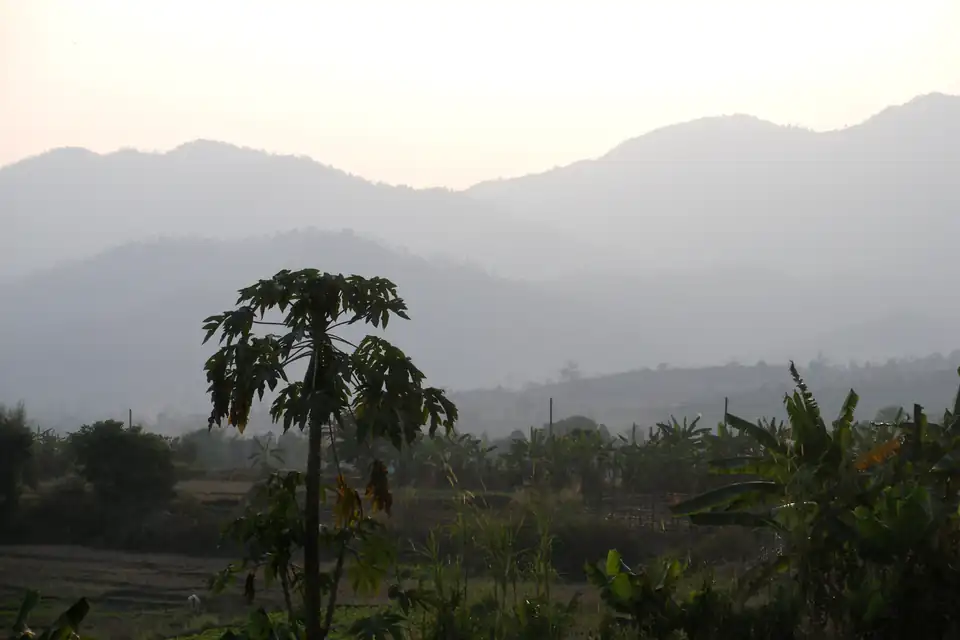
Pai · Northern Thailand
Pai, Thailand
Three hours and 762 bends from Chiang Mai, in a valley that keeps its own weather.
- Driest months
- November to April 6 months under 150mm, 15 rain days or fewer
- Best for
- A slow week in the mountains
- Airport
- Chiang Mai (CNX), then 3h by road
- Getting around
- On foot and hired scooter
Pai is a valley town of a few thousand people that has been absorbing travellers who meant to stay two nights since the 1990s. It is small enough to walk across in ten minutes, high enough to be cool after dark, and organised almost entirely around the idea that you have nowhere to be.
Almost everything written about it is written by somebody who stayed longer than they intended, which is worth knowing before you read any of it, this page included.
The road
Route 1095 from Chiang Mai has 762 curves in it and takes about three hours by minivan. It is beautiful and it makes a lot of people ill; if you are prone to that, sit at the front, take something before you leave rather than halfway, and do not eat first.
You will see flights to Pai offered online and there are none. The airstrip is there, but no airline has run a scheduled service into it since 2019, the last operator stopped in 2017, and an attempt to restart the route in August 2026 was abandoned before its first departure. What those listings sell is a flight to Chiang Mai and the road from there. The route page has the timings and the operators.
The corollary, and it is the single most useful planning fact about Pai: six hours of that road is a poor trade for two nights. Either give it three or more, or do not go.
The valley keeps its own weather
Pai is ninety kilometres from Chiang Mai and most itineraries treat the two as one climate. They are not, and the difference runs in the direction people do not expect.
- Daily low to daily high, 16C to 35C across the year
- Rainfall, millimetres per month
- Chiang Mai, for comparison
Driest is February at 11mm over 2 rain days, wettest is August at 328mm over 29 rain days. Hottest is April, averaging 34.5C by day, and coolest is January, which drops to 15.5C at night. That night figure is the one nobody packs for. Against Chiang Mai, Pai is wetter in every month of the twelve, by most in July, and its nights are colder in all twelve months, by 0.8 degrees in January.
Pai is colder at night in every month of the year, which is what the five hundred metres of altitude and the valley floor buy you. January nights average 15.5C here and 16.3C in Chiang Mai, and in the cool season the mist sits in the valley until mid-morning. Bring something with sleeves; a great many people arrive from a beach with none.
It is also substantially wetter. August is 328mm across 29 rain days here against Chiang Mai’s 276mm across 26. That is more rain than Phuket gets in the same month, in a valley with one road out.
The burning season is worse here
From roughly late February to April, agricultural burning fills the north with smoke, and Pai gets the worse end of it than Chiang Mai does for a simple reason: the valley traps it. The mountains that make the place are also the walls that hold the smoke in, and in a bad March the ridges you came to look at are simply not visible.
On the rainfall chart those are the driest months of the Pai year, at 11mm and 17mm. It is the same trap the Chiang Mai weather page sets out and it is sharper here. We do not measure air quality and publish no figures for it; check a live source before committing to March.
What there is to do, which is the wrong question
Pai’s attractions are modest and everybody sees them: the canyon at sunset, a waterfall or two, the hot springs, a viewpoint with a Chinese village attached, a bamboo bridge through the rice, and a white Buddha on a hill above the town with a long staircase. None of them is remarkable on its own, and most people rent a scooter and do them all in a day and a half.
What Pai is actually for is the rest of the time. The night market fills the main street after dark, the bars have live music and no volume, and a great many people find that four nights has become nine. If that sounds like nothing, it is: the town’s entire proposition is that there is nothing you have to do, in cool air, at low cost, surrounded by mountains.
The canyon is the exception and the one thing worth timing to the hour. It is also the one with a genuine safety story: eroded earth ridges with unfenced drops, walked back along in the dark by a crowd that came for the sunset. We have given it its own page rather than a paragraph.
Scooters, and the thing nobody says in the brochure
Nearly everyone rents one, and the roads around Pai are the reason. They are also the reason the town has a small industry in bandaging tourists. The mountain roads are steep, loose at the edges and unforgiving of somebody who learned to ride that morning, and the injuries here are common enough to have a nickname among travellers, which tells you how routine they are.
Three things, plainly. If you have never ridden, Pai is a poor place to start. Most travel insurance will not pay out for a scooter accident without the correct licence, and a Thai or international motorcycle entitlement is the correct licence. And the ride back from the canyon after sunset is in full dark on an unlit road, which is the specific trip that catches people out.
Licences, insurance and what the numbers actually are.
Where to stay
Pai is small enough that the choice is a character rather than a district. In town puts you on the walking street and in the middle of the night market, which is convenient and not quiet. Along the river, a few minutes out, is where most of the bamboo bungalows are and where the valley starts being the point. Up the hillside are the resorts with the view, which need transport for every meal.
For a first visit of three or four nights, in town or just across the river. For a longer stay, out of it.
How long to give it
Three nights to see it. Longer if the point is not to see it, which for most people here it is not. Two nights does not repay the road.
From here the road continues to Mae Hong Son and round the loop, or back to Chiang Mai. The Chiang Mai guide covers the other end of Route 1095, and the northern circuit as a whole is in Northern Thailand.
Getting to and from Pai
Times, how often each runs, and what it costs, for every route we have checked.
Pai FAQs
Is Pai worth visiting?+
If you want a valley town to do very little in, yes, and people routinely stay far longer than they planned. If you want a checklist of attractions, no: Pai's sights are modest and a scooter covers all of them in a day and a half. The town is the point rather than the things in it.
How do you get to Pai from Chiang Mai?+
By road, and only by road. Route 1095 has 762 bends and takes about three hours by minivan from Arcade terminal. You will find flights to Pai offered online and there are none: the airstrip exists but no airline has run a scheduled service into it since 2019, and an attempt to restart it in August 2026 was abandoned before the first departure.
How many days do you need in Pai?+
Three nights to see it and longer if seeing it is not the point, which for most people here it is not. Two nights is not worth six hours of Route 1095 in each direction.
When is the best time to visit Pai?+
November to early February. Pai sits at about five hundred metres and the cool season is genuinely cool: January nights average 15.5C, colder than Chiang Mai, with mist in the valley that burns off by mid-morning. Avoid late February to April, when the valley traps the smoke from the burning season.
Is Pai wetter than Chiang Mai?+
Considerably, and it surprises people who assume the two share a climate. Pai takes 328mm in August against Chiang Mai's 276mm, and it rains on 29 days of that month against 26. It is also colder at night in every month of the year.
Do you need a scooter in Pai?+
To reach the canyon, the hot springs and the waterfalls, yes or a taxi each time. But Pai has a small industry in bandaging tourists, the mountain roads are steep and loose at the edges, and if you have never ridden one this is a poor place to learn.
 Bangkok
 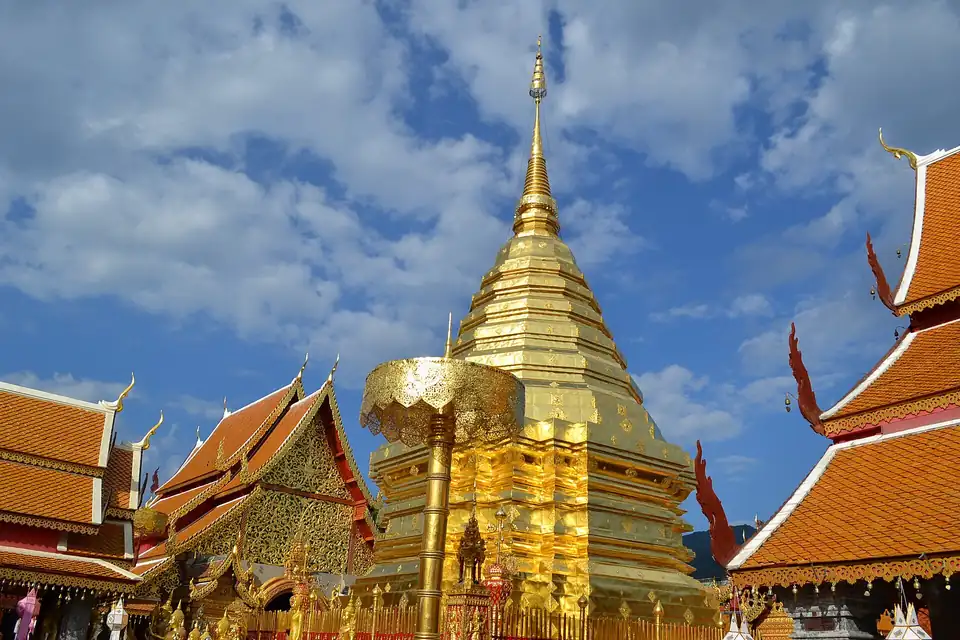 Chiang Mai
 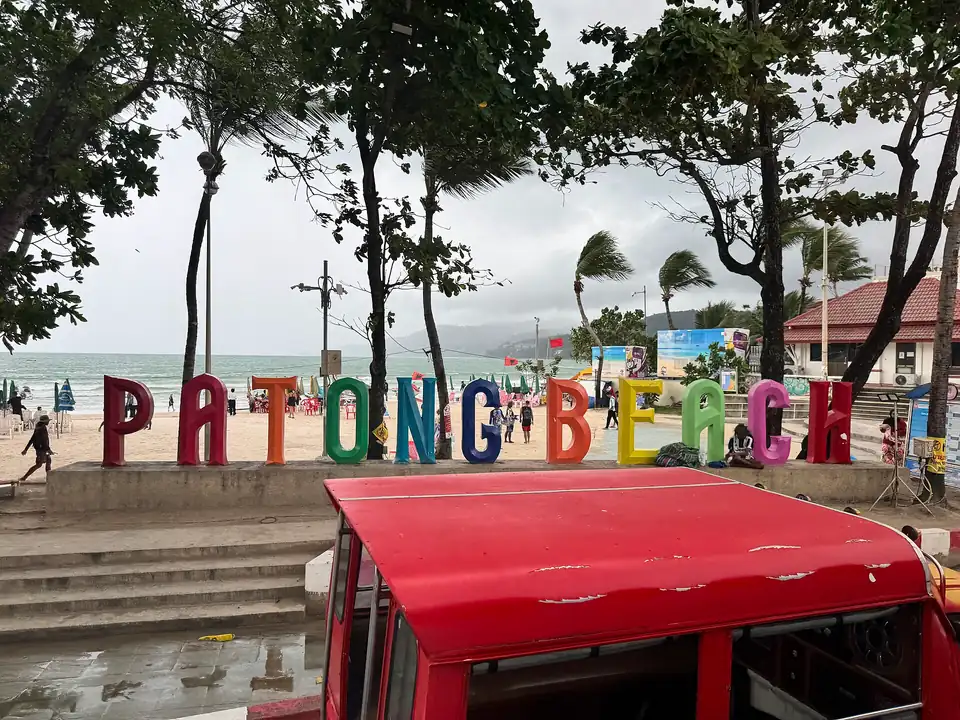 Phuket
 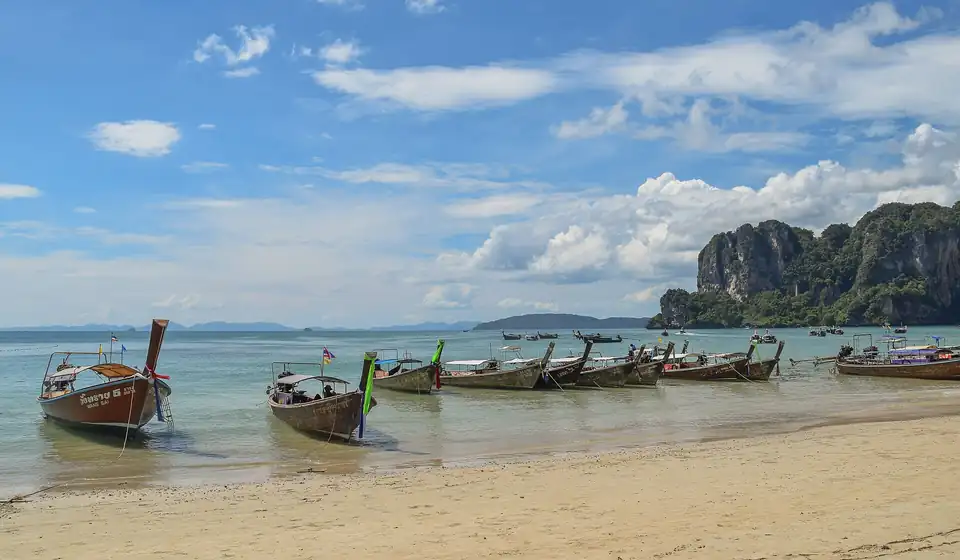 Krabi
Krabi  Koh Samui
  Khao Lak
  Chiang Rai
  Ayutthaya
  Sukhothai
  Koh Phangan
  Koh Tao
  Trat
Trat  Koh Mak
  Koh Kood
  Koh Chang
  Koh Samet
  The Similan Islands
  Pattaya
  Koh Phi Phi
  Koh Lanta
  Koh Lipe
  Thailand Islands