

Before you go
Thailand Entry Requirements: Visa Rules and TDAC
Check Thailand entry requirements, visa-exemption rules and the free TDAC arrival card. What to verify before your trip, and the official Thai sources to use.
Thailand’s entry rules sort visitors into a few broad categories rather than one fixed set of numbers that applies to everyone. Which category fits you depends on your nationality, how long you plan to stay, and your mode of arrival by air or land border. The categories are stable; the stay lengths, fees and eligible passports attached to each one are set by the Thai government and do change over time, so this guide explains how the system works and points you to where the current detail lives.
Entry information last checked: 4 August 2026. Entry rules change and vary by nationality, trip purpose and length of stay. Verify the current requirements with official Thai immigration or consular sources before travelling.
The Thailand Digital Arrival Card (TDAC)
This is separate from a visa and applies to almost everyone. Since 1 May 2025 the paper TM6 arrival card has been replaced by the Thailand Digital Arrival Card, an online form that all non-Thai nationals complete before entering the country, whether they arrive by air, land or sea. It applies to children and infants as well as adults, and a new one is required for every entry, so a trip that leaves and re-enters Thailand needs one each time.
Complete the TDAC online within the three days before you arrive in Thailand. Submission is free through the official Thai Immigration portal at tdac.immigration.go.th. Save the confirmation and have it ready when you reach immigration.
The TDAC is free. Third-party websites offer to file it for a service fee, and some rank well in search results for exactly this reason. There is nothing they can do that the official portal does not, and handing over passport details to an intermediary is a risk the Thai Immigration Bureau has publicly asked travellers to avoid. If a site asks for payment, you are on the wrong one.
Who does not need one
The main exemptions are transit passengers who do not pass through immigration, border pass holders crossing under local arrangements, and airline crew operating a flight. Everyone else entering as a foreign national files one.
What it is not
Filing a TDAC does not grant permission to enter Thailand, does not replace a visa and does not extend a stay. It is an arrival declaration that replaces a form previously filled in on paper on the plane. Whether you may enter, and for how long, is still decided by your nationality, your entry category and the immigration officer at the border.
The four categories, in plain terms
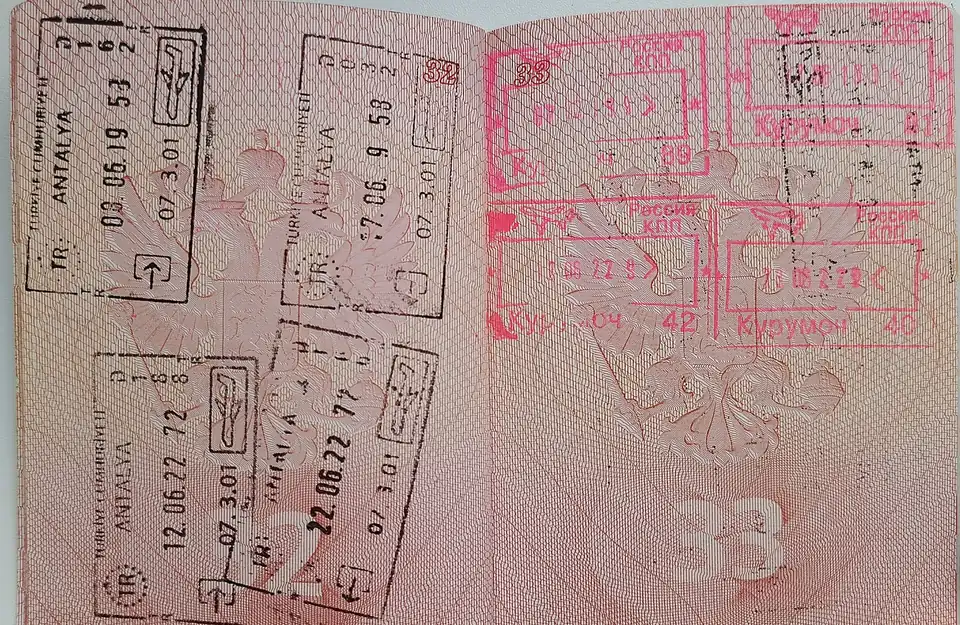
Almost every visitor fits one of four situations: entering visa-free for a short holiday, getting a visa on arrival at the airport or border, applying for a tourist visa before flying, or extending a stay already underway. Which one applies is decided by your passport and your travel plans, not by preference. The sections below cover each in turn.
Visa exemption
A large number of nationalities can enter Thailand for a short tourist stay without getting a visa beforehand. This is the default route for most travellers from Europe, North America, Australia and a growing list of other countries, and it means showing up with a valid passport and the usual entry documents rather than filing paperwork in advance.
Two things vary within this category: how long the stay is permitted for, and whether that differs by air arrival versus a land border. Both depend on your nationality and can change, so treat any specific number seen online as a starting point to verify, not a guarantee. The Thai Immigration Bureau and your own country’s Thai embassy publish the current rules for your passport, and that’s the source to check before booking anything that depends on the exact length of stay.
This category is mid-revision at the time of writing, which is a reason to check rather than to assume. A Cabinet decision in May 2026 approved reducing the maximum visa-exempt stay and shortening the list of eligible countries, and changes of that kind take effect on official publication rather than on the announcement. We are deliberately not publishing a nationality-by-nationality table here: any figure we printed could be wrong by the time you read it, and the consequence of being wrong at a border is not trivial. The Thai Immigration Bureau, the official e-Visa portal and the Thai embassy for your country hold the current answer for your passport.
Visa on arrival
A separate, smaller list of nationalities that don’t qualify for visa exemption can instead get a visa on arrival at certain airports and border crossings. This means filling in a form, providing a photo, and paying a fee on the spot, usually alongside the same proof-of-onward-travel and funds checks that apply to visa-exempt entry. It grants a shorter stay than most tourist visas and suits a brief trip rather than an extended one.
Whether it applies to you depends entirely on your passport. Travellers from visa-exempt countries don’t need it, and travellers outside both lists need to arrange a visa before they travel instead. Check your eligibility against the current list published by Thai immigration rather than assuming either way.
Tourist visa (applied for in advance)
If your stay will run longer than visa exemption or visa on arrival allow, or your nationality isn’t covered by either, the standard route is a tourist visa arranged before you fly. This is done through a Thai embassy or consulate in your home country, or through Thailand’s official e-Visa portal where that service is available. The process typically asks for a passport, a photo, proof of accommodation and onward travel, and evidence of sufficient funds, though the exact document list varies by embassy and by visa type.
Processing takes lead time, so this isn’t something to leave until the week before departure. Fees, validity periods and permitted stay lengths differ by category and nationality, set and updated by the Thai government, which is why the honest answer is to check the portal or embassy site directly rather than rely on a secondhand number.
Extending a stay
Once you’re in Thailand, it’s often possible to extend a stay at a Thai immigration office rather than leaving the country and re-entering. This is a formal application with its own paperwork, fee and processing time, and not every entry category qualifies for the same kind of extension. Some travellers instead leave and return under a fresh entry, though immigration officers have discretion over repeated short visits and can question a pattern that looks like someone trying to live in Thailand without the right visa.
If your plans depend on staying longer than your original entry allows, work out the extension or visa route before you fly, using current guidance from Thai immigration, rather than assuming you can sort it out once you’re already there.
What to have ready at entry
Regardless of category, immigration officers can ask to see proof you intend to leave, most commonly an onward or return flight, along with evidence you can support yourself for the trip. Whether this is actually checked varies by officer and how busy the checkpoint is, but arriving without a return ticket or funds evidence is a real way to get held up, so have both ready even if never asked.
You will also need your TDAC confirmation, filed in the three days before arrival as described above. That is the one thing on this page that applies to every visitor regardless of nationality.
Land crossings and air arrivals aren’t always treated identically. Some categories that apply cleanly at an airport come with extra conditions or paperwork at a land border, particularly for people crossing the same border repeatedly. If your trip involves entering Thailand overland, check the land-border-specific rules rather than assuming an air-arrival policy carries over unchanged.
Always check before you fly
Visa rules are set by the Thai government for your specific passport, and they do get revised. Before booking flights or an itinerary that depends on a particular stay length, confirm the current rules on the official Thai e-Visa portal or with the Thai embassy or consulate in your own country. That’s the reliable source, and it’s free to check.
Keep planning your trip
Visa rules are one part of preparing for Thailand. See our practical hub for the rest of the logistics.
Frequently asked questions
Do I need a visa to visit Thailand?+
It depends on your nationality. Many travellers can enter for a short tourist stay without a visa at all, some qualify for a visa on arrival, and others need a tourist visa arranged in advance through an embassy or the e-Visa portal. Check the current rules for your specific passport on the official Thai immigration site before you book.
How long can I stay in Thailand as a tourist?+
The permitted length varies by nationality, by entry category, and sometimes by air versus land arrival. There's no single answer for every traveller, so treat any figure you see as a starting point and confirm it against official guidance for your passport rather than a fixed rule.
Can I extend my stay once I'm in Thailand?+
Often yes, through an application at a Thai immigration office, though eligibility and the process depend on which visa or entry category you arrived under. It's worth understanding your options before you travel rather than assuming an extension will be straightforward once you're already in the country.
What is the TDAC, and do I need one?+
The Thailand Digital Arrival Card is the online replacement for the paper TM6 arrival card, in force since 1 May 2025. All non-Thai nationals arriving by air, land or sea complete it, including children, and a new one is needed for each entry. File it within the three days before you arrive, at the official portal, and keep the confirmation. It is not a visa and does not decide whether you may enter.
Does the TDAC cost anything?+
No. It is free through the official Thai Immigration portal. Sites charging a service fee to file it for you are intermediaries, not the government, and the Immigration Bureau has asked travellers to use the official site so their passport details are not handed to a third party.
What do I need to show at immigration when I arrive?+
Have a passport valid for the rest of your trip, proof of onward or return travel, and evidence you can cover your stay, since officers can ask for any of these. Requirements can differ slightly between air and land arrival, so check the specifics for your route and nationality in advance.