

Before you go
The Best Time to Visit Thailand
Thailand has three seasons and two coasts that keep different calendars. Which months suit which part of the country, measured rather than repeated.
Thailand doesn’t have a single travel season, it has three, and they don’t land on the same weeks in every part of the country. Get the timing right and you get long dry days and a country in full swing. Get it wrong and you might spend a beach week under grey skies while the hills two hours inland are having a perfect one. Below: the year broken down by season, where the Andaman coast and the Gulf islands part ways on rainfall, and the months worth targeting depending on what you actually want from the trip.
Thailand’s three seasons, explained

Most of Thailand follows the same broad rhythm: a cool dry stretch, a hot dry stretch, and a wet stretch. The calendar dates below are typical rather than fixed, the transitions drift by a few weeks each year, so treat them as a planning guide rather than a promise.
Cool and dry season: roughly November to February
This is peak season for good reason. Humidity drops, skies tend to stay clear, and daytime temperatures across Bangkok and the south sit in a genuinely comfortable range rather than the punishing heat that follows. It’s also the busiest and priciest stretch of the year, flights fill up, hotels sell out weeks ahead, and well-known sights are at their most crowded. If comfort matters more than budget or elbow room, this is the window to book.
Hot season: roughly March to May
Temperatures climb steadily from March and peak in April, often the hottest month of the year nationwide, before the first rains start to break the heat. Central Thailand and the north can feel especially heavy at midday. It’s not without upside: crowds thin out from the January peak, hotel rates soften, and April brings Songkran, one of the best reasons to be in the country despite the heat. Pace your days around it, mornings and early evenings outdoors, midday indoors or by water.
Rainy or “green” season: roughly June to October
The southwest monsoon brings the wet season to most of the country from June through October. “Rainy” oversells it for a lot of days, though, showers are typically short, heavy downpours followed by sun rather than all-day grey. Landscapes turn a deep green, rivers and waterfalls run fuller, and both prices and crowds drop noticeably. September and October tend to be the wettest stretch in Central Thailand and the north, with a higher chance of a washed-out afternoon than in June or July.
Why the coasts don’t follow the same calendar
The detail that trips up a lot of first-time planners: Thailand’s two coastlines run on different monsoons. The Andaman coast (Phuket, Krabi, Phi Phi) faces the southwest monsoon, so its wettest months largely track June through October, roughest seas typically July to September. The Gulf islands (Koh Samui, Koh Pha Ngan, Koh Tao) sit on the other side of the peninsula and catch the northeast monsoon instead, which pushes their wettest window later, typically October to December. That gap means a beach trip planned for November could hit calm, sunny days on the Andaman side and heavy rain on Samui the same week, or the reverse in June.
| Region | Coolest & driest | Hottest | Wettest |
|---|---|---|---|
| Bangkok & Central Thailand | Nov-Feb | Mar-May | Sep-Oct |
| Northern Thailand | Nov-Feb, cool nights in the hills | Mar-Apr, plus seasonal haze | Jul-Sep |
| Andaman Coast (Phuket, Krabi, Phi Phi) | Dec-Mar | Mar-Apr | Jul-Sep |
| Gulf Islands (Samui, Pha Ngan, Tao) | Jan-Apr, then drier than the Andaman all summer | Apr-Jun | Oct-Dec |
| Eastern seaboard (Pattaya, Koh Samet, Koh Chang) | Nov-Mar, and the driest stretch of coast in the country | Mar-May | Jul-Sep |
The coast the two-monsoon story leaves out
Andaman and Gulf is the framing everybody uses, including us above, and it has a hole in it. Thailand has a third coastline: the eastern seaboard, running from Pattaya down past Koh Samet to Koh Chang and the Cambodian border. It is the closest coast to Bangkok, it is where most Thai people go for a weekend at the sea, and it does not behave like either of the other two.
It also contains the largest rainfall gradient anywhere on this site, and it is not close.
| Eastern seaboard | Rain a year | Wettest month | Driest month |
|---|---|---|---|
| Pattaya | 1,381mm | September, 249mm | December, 16mm |
| Koh Samet | 1,592mm | September, 299mm | December, 12mm |
| Trat | 3,146mm | July, 556mm | December, 23mm |
| Koh Chang | 3,155mm | July, 566mm | December, 21mm |
| Koh Kood | 3,242mm | July, 624mm | December, 21mm |
| Koh Mak | 3,397mm | July, 675mm | December, 20mm |
The wet end of this coast takes two and a half times the rain of the dry end, and the two ends are about 250 kilometres apart. Pattaya at 1,381mm is the driest beach destination on this site, drier than Koh Samui and drier than Koh Samet. Koh Mak at 3,397mm is the wettest place we measure anywhere in Thailand. They are on the same coast, facing the same sea.
The peak month moves with them. Pattaya and Koh Samet, tucked inside the upper Gulf, take their worst in September along with Bangkok. Trat province and its islands, exposed to the southwest monsoon coming up the Gulf, take theirs in July, and take it much harder: 675mm in one month on Koh Mak against Pattaya’s 249mm.
What unites the whole coast is the other end of the year. December is the driest month at all six, and at every one of them it is under 25mm. Whatever else the eastern seaboard disagrees about, it agrees about when to go: November to March, and December in particular.
The practical version is short. If you want the driest beach weather in the country and you do not mind a city behind the sand, that is Pattaya, two hours from Bangkok. If you want rainforest and the emptiest islands, that is Trat, and you go in the dry half or not at all.
The north deserves a separate note. Chiang Mai and the surrounding hills are genuinely cool from November into February, cool enough for a light jacket in the evenings, which is part of why the region is popular for trekking in that window. Late February through April tends to bring seasonal haze from agricultural burning, which can dull the mountain views and isn’t ideal for anyone with respiratory sensitivity. If clear hill views matter to your trip, the cool season is the safer bet.
Booking ahead for peak season
If you’re travelling in December or January, lock in flights and any well-reviewed hotel at least two to three months out. Rooms and seats on popular routes sell through early, and last-minute peak-season bookings usually mean paying more for a worse location. Outside peak season, especially June to September, you can often book with a week or two’s notice and still get a good rate. Check your entry requirements early too, see our Thailand visa guide for who needs one and how far ahead to sort it.
Festivals worth timing your trip around
Songkran, the Thai New Year water festival
Songkran falls in mid-April and is Thailand’s biggest celebration, days of citywide water fights layered over a New Year holiday rooted in blessing and renewal. It coincides with the hottest stretch of the year, which is part of the point, getting soaked is a relief rather than a nuisance. Expect closed shopfronts in some areas, packed transport as people travel home, and a genuinely festive atmosphere almost everywhere. Exact dates shift slightly with the calendar, so confirm them for your travel year before booking.
Loy Krathong and Yi Peng
Loy Krathong, the festival of floating lanterns and small offerings sent down rivers and canals, typically falls around November on the full moon, often coinciding with the start of the cool season. In the north, Chiang Mai’s Yi Peng adds thousands of paper sky lanterns released into the night sky, one of the most photographed sights in the country. Like Songkran, the date moves with the lunar calendar, so check it against your travel dates rather than assuming a fixed day.
Best time to go by traveller type
Beach holidays
For the Andaman coast, target December through March for the most reliable run of sun and calm seas. For the Gulf islands, the window stretches wider, roughly January through June, since their wet season lands later in the year. Trying to do both coasts on one trip means accepting a compromise somewhere, November and December tend to work reasonably well for both, but check conditions close to departure.
Trekking and hill travel in the north
November to February is the clear pick: cool, dry, and clear-skied, with none of the burning-season haze that can settle in from late February. If you’re set on visiting in April for Songkran, be aware the hills will be hot and possibly hazy, plan shorter, earlier treks and build in downtime.
Fewer crowds and lower prices
June through September delivers the quietest sights, the shortest queues, and noticeably cheaper flights and hotels almost everywhere except around festival weeks. Rain is a real factor, but usually in short, predictable bursts rather than washed-out days. If your travel budget is tight or you simply dislike crowds, this is the season to lean into rather than avoid.
Thailand month by month
Each month has its own page, with every destination measured and ranked. The figure below is the driest place on this site that month, which is usually the answer to where to go.
-
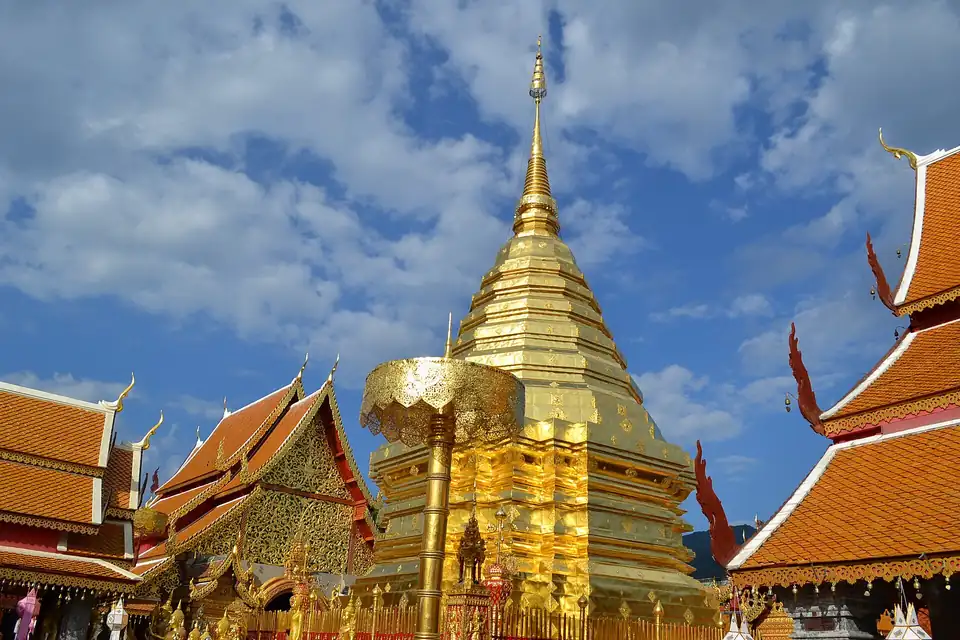 January Chiang Mai 11mm wettest Koh Samui, 83mm
 -
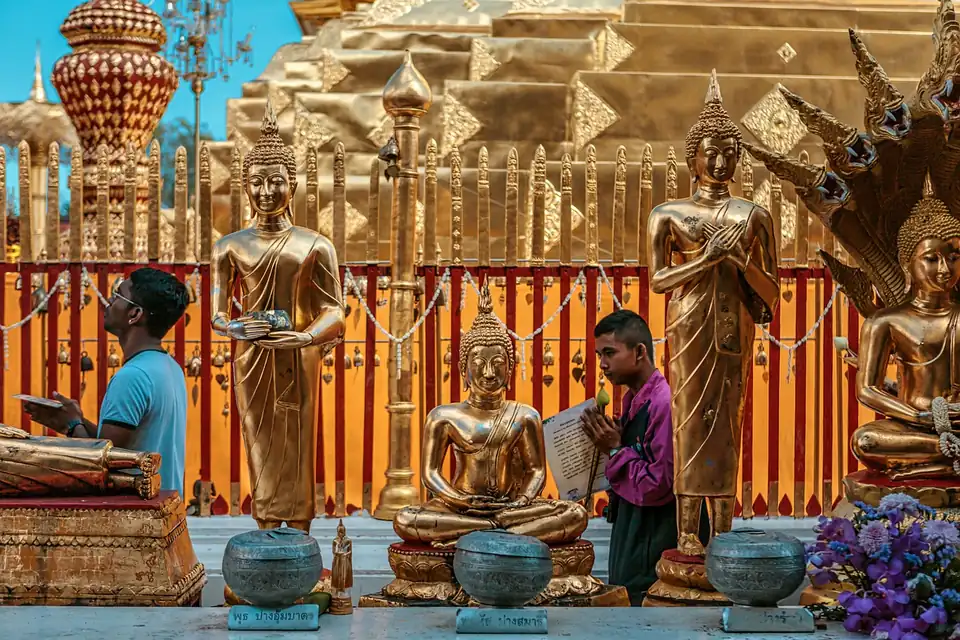 February Chiang Mai 9mm wettest Krabi, 53mm
 -
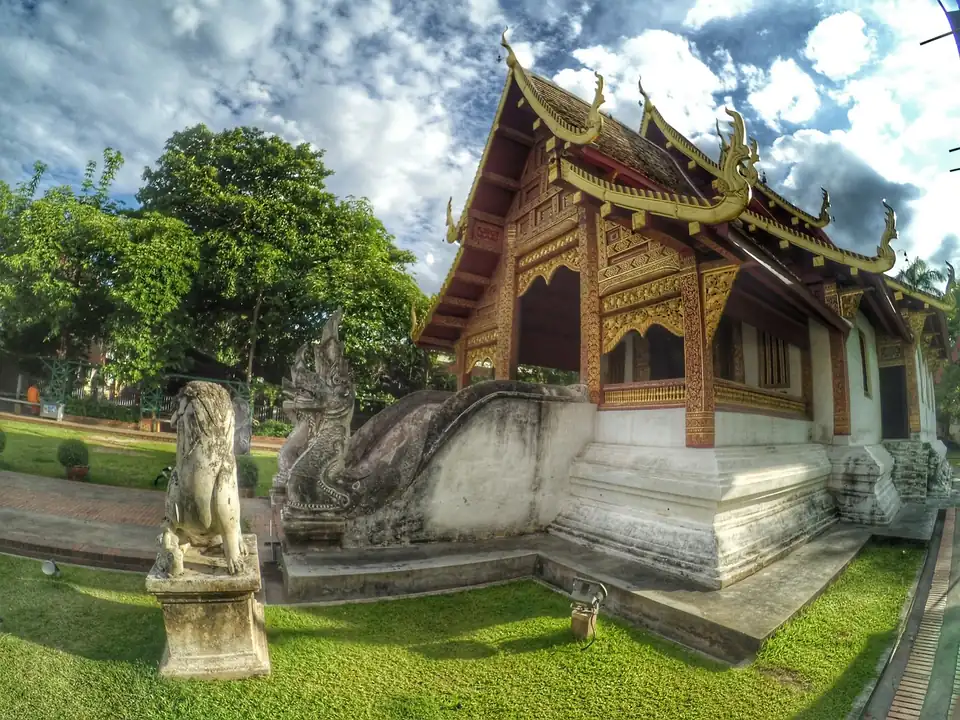 March Chiang Mai 13mm wettest Krabi, 112mm
 -
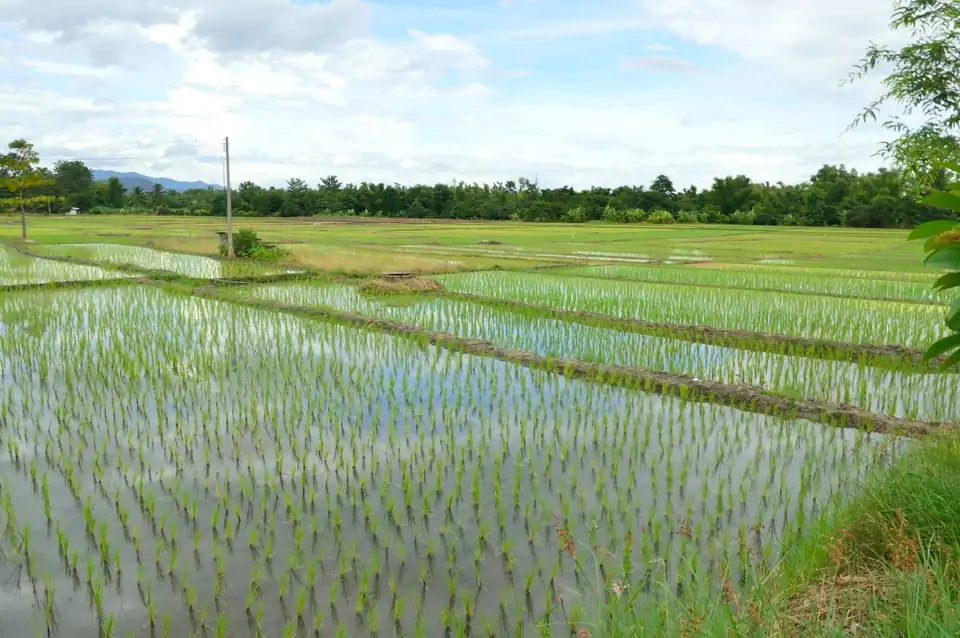 April Chiang Mai 37mm wettest Krabi, 185mm
 -
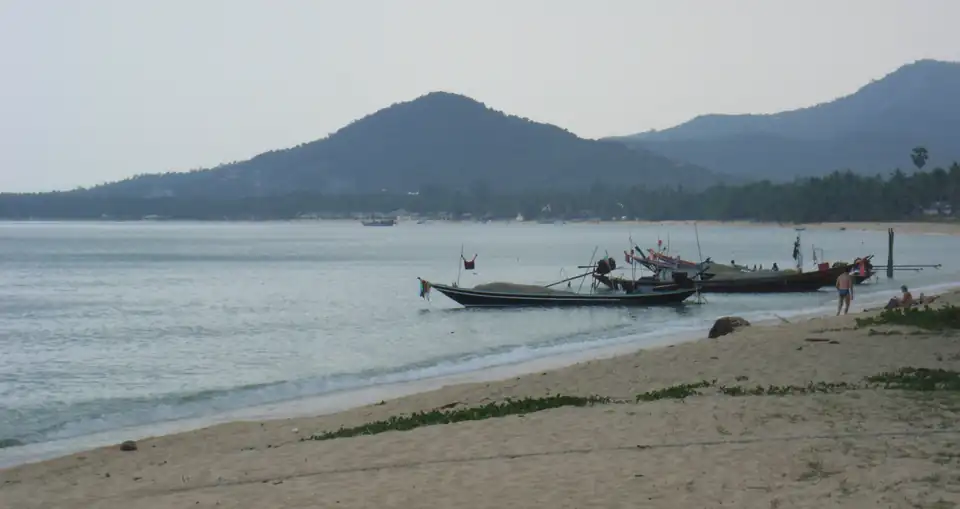 May Koh Samui 113mm wettest Phuket, 269mm
 -
 June Koh Samui 85mm wettest Krabi, 241mm
 -
 July Koh Samui 90mm wettest Krabi, 247mm
 -
 August Koh Samui 90mm wettest Chiang Mai, 276mm
 -
 September Koh Samui 139mm wettest Krabi, 296mm
 -
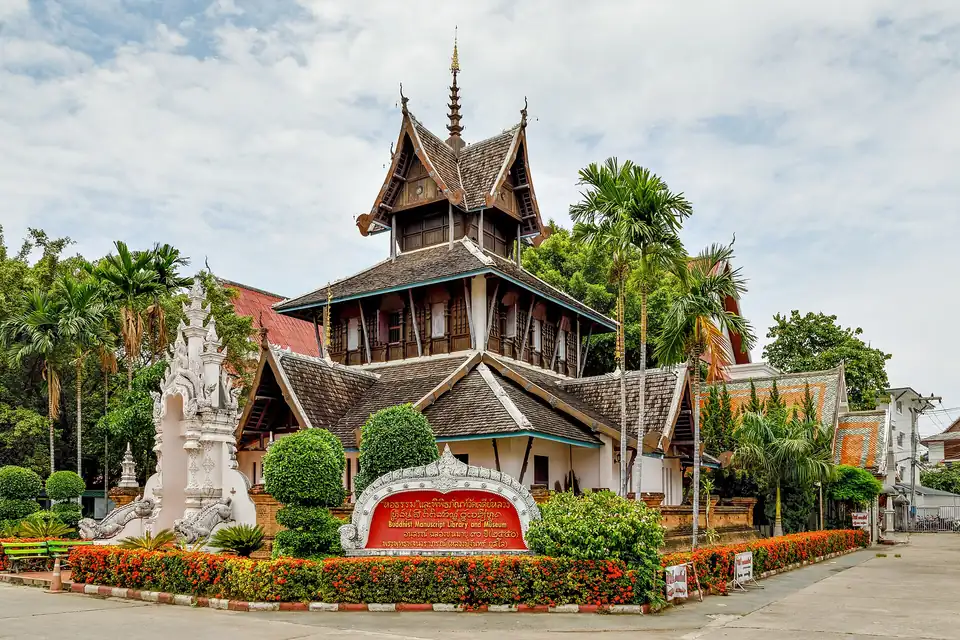 October Chiang Mai 132mm wettest Krabi, 338mm
 -
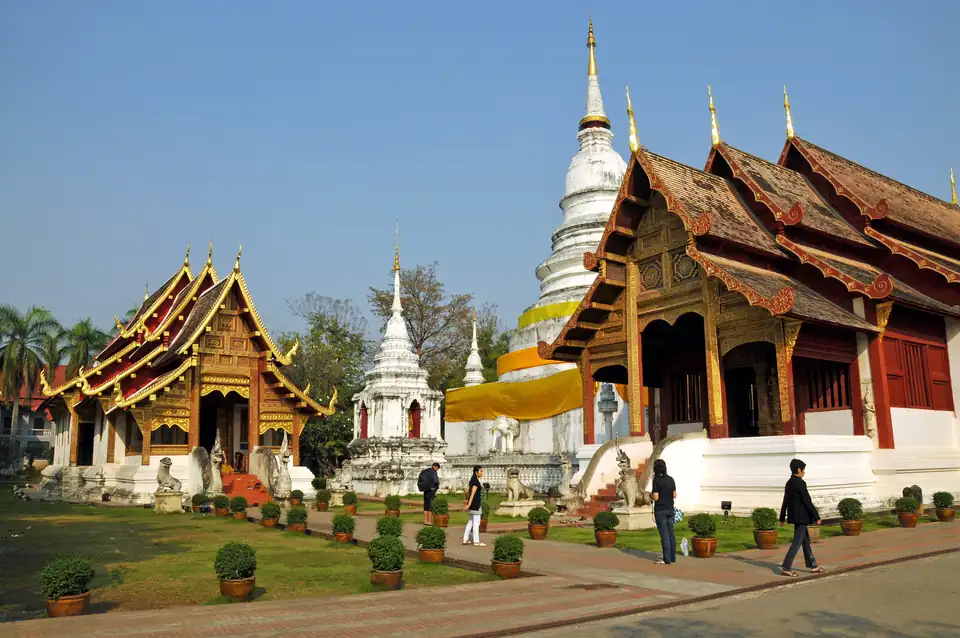 November Chiang Mai 32mm wettest Koh Samui, 313mm
 -
 December Bangkok 11mm wettest Koh Samui, 163mm
Popular Thailand tours
 Free cancellation
The Newest Luxury 5-Star Bangkok Chao Phraya Dinner Cruise
 Free cancellation
Private Tour: Best of Bangkok in A Day
 Free cancellation
Bangkok City Highlights Tour: Grand Palace & Three Iconic Temples
 Free cancellation
Bangkok Michelin Food by Tuk Tuk - Hotel-pickup Lunch or Dinner
 Free cancellation
Bridge on the River Kwai and Thailand-Burma Railway Guided Tour
 Free cancellation
ATV Tour in Phuket with Jungle Trails and Big Buddha Viewpoint
Frequently asked questions
What's the best month overall to visit Thailand?+
December and January are the safest bet nationwide: dry, comfortable temperatures across most regions, and the north at its coolest and clearest. The trade-off is cost and crowds, both peak in this window, so book well ahead if these are your months.
When is Thailand cheapest to visit?+
Roughly June through September, outside the Songkran surge in April and the Christmas-New Year peak. Flights and hotel rates typically soften noticeably once the cool-season crowds have gone home, and popular sights are far less crowded.
Will rain ruin my trip if I go in the wet season?+
Usually not. Most days bring a heavy shower rather than a washed-out day, often in the afternoon, with sun before and after. The main exceptions are the wettest peak weeks on each coast (roughly July to September on the Andaman side, October to December for the Gulf islands), when longer spells of rain and rougher seas are more likely.
Andaman coast or Gulf islands: does the timing really matter?+
Yes, more than most first-time visitors expect. The two coasts sit on opposite sides of the peninsula and catch different monsoons, so their wet seasons don't overlap. Check the specific month against the coast you're heading to rather than assuming one Thailand-wide rainy season covers both.
Planning where to start?+
Bangkok makes a practical first stop on almost any itinerary, whatever season you're travelling in.