Chiang Rai · Northern Thailand
Chiang Rai Travel Guide
Chiang Rai is the far north: a smaller, slower town than Chiang Mai three hours south of it, with the country's most photographed modern temple on its edge and the Mekong and the Golden Triangle an hour beyond. Most people come for two nights and the White Temple, and the province is worth more than that.
- Driest months
- November to April 6 months under 150mm, 15 rain days or fewer
- Best for
- The White Temple and the Golden Triangle
- Airport
- Chiang Rai (CEI)
- Getting around
- Songthaew and hired scooter
Chiang Rai is what people expect Chiang Mai to be and mostly is not any more: small, quiet, unhurried, and close enough to the borders that the food and the faces change. Most visitors give it two nights and one temple. The province deserves rather more.
The White Temple
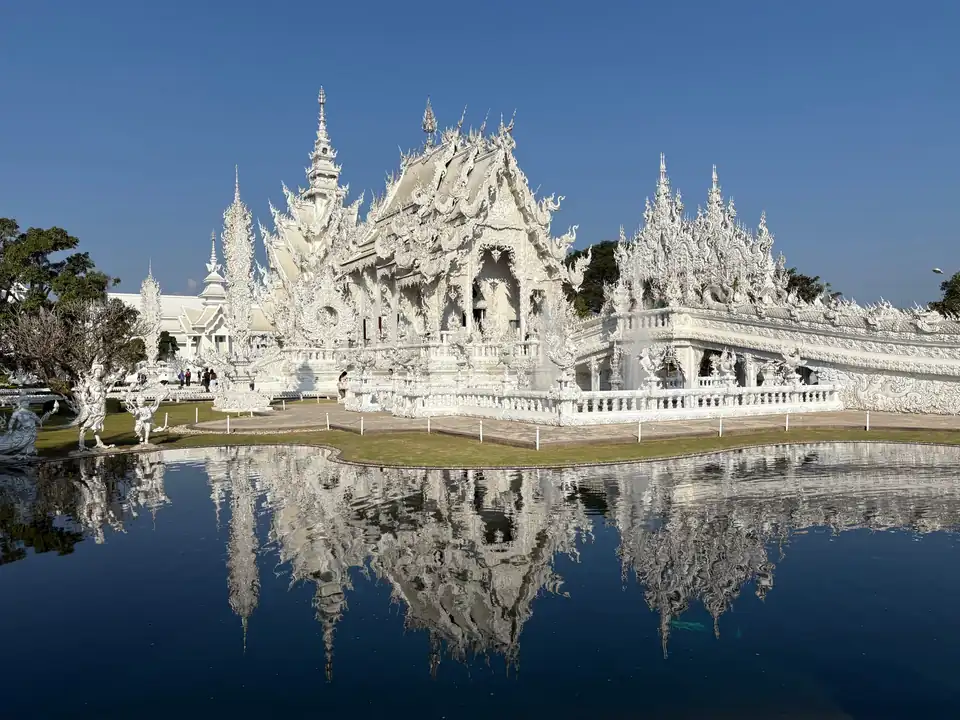
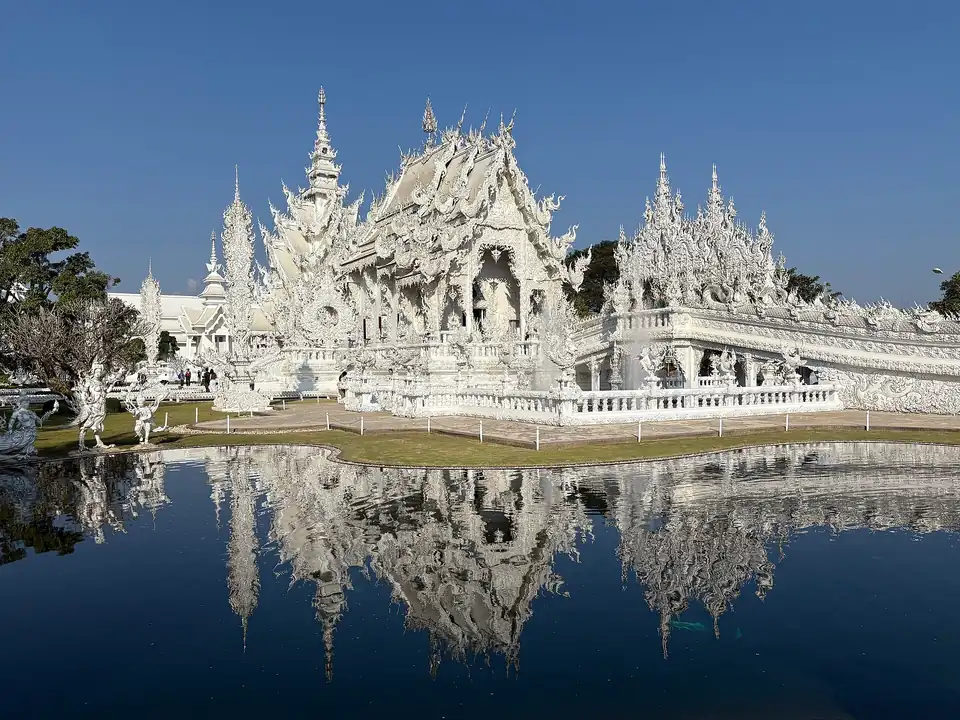
Wat Rong Khun, thirteen kilometres south of town, is the reason most people come and it is genuinely worth the trip. It is not an ancient temple: the artist Chalermchai Kositpipat began building it in 1997 and it is still unfinished, funded by him rather than by the state, and it is a contemporary artwork in the shape of a temple.
All white, set with mirrored glass, approached across a bridge over a field of reaching hands. Go early. By ten it is full of coaches, and the reflection in the pool, which is the photograph everybody wants, needs still water and low sun.
All three compared, and the order that makes the day work.
The other two
Chiang Rai has a set. The Blue Temple, Wat Rong Suea Ten, is in town and is a cobalt and gold interior that photographs better than the White Temple does. The Black House, Baan Dam, is not a temple at all but the compound of the late artist Thawan Duchanee: dark teak buildings full of bones, hides and horns, and a deliberate counterweight to the white one. The three together make a day.
The Golden Triangle and the Mekong
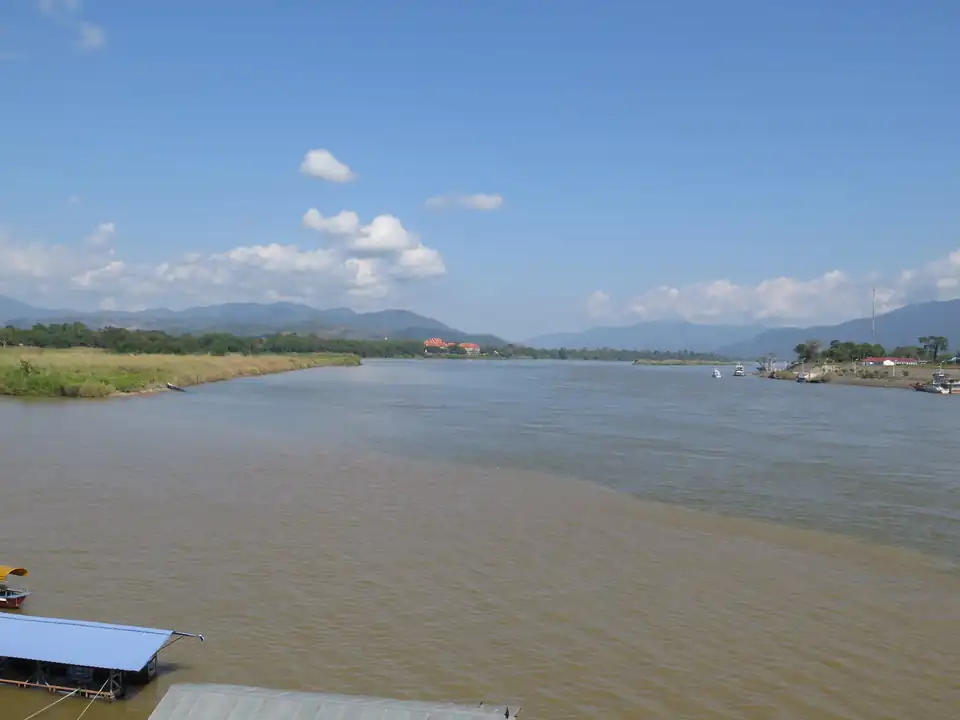
An hour north, at Sop Ruak, the Ruak river meets the Mekong and Thailand, Laos and Myanmar meet with it. The name comes from the opium trade and there is a serious museum about it, the Hall of Opium, which is better than the viewpoint and the souvenir stalls that most tours stop at.
Chiang Saen nearby is an older, quieter place: a walled Lanna town on the river with ruins in the grass and almost no one looking at them.
The mountains
Doi Mae Salong is a village settled by the remnants of a Chinese nationalist army, high in tea country, where the language on the signs is Mandarin and the food is Yunnanese. Doi Tung has the late Princess Mother’s villa and gardens and a road that climbs through hill villages to reach them. Both are full days from town.
When to go
November to February. Chiang Rai is higher and further north than Chiang Mai and is genuinely cold at dawn in December, which is a novelty in Thailand. The burning season runs February to April here as it does across the whole north, and the haze can be worse this close to the border.
Getting there
Chiang Rai has its own airport with direct flights from Bangkok. From Chiang Mai it is three hours by bus on a good road, and the bus is frequent and cheap. The old slow boat down the Mekong from Huay Xai in Laos ends at Chiang Khong, two hours east, which is how a lot of overland travellers arrive.
How long to give it
Two nights for the temples and the town. Four if you want the Golden Triangle and one of the mountain roads without rushing either.
Getting to and from Chiang Rai
Times, how often each runs, and what it costs, for every route we have checked.
 Bangkok
  Chiang Mai
  Phuket
  Krabi
Krabi  Koh Samui
  Khao Lak
  Pai
Pai  Ayutthaya
  Sukhothai
 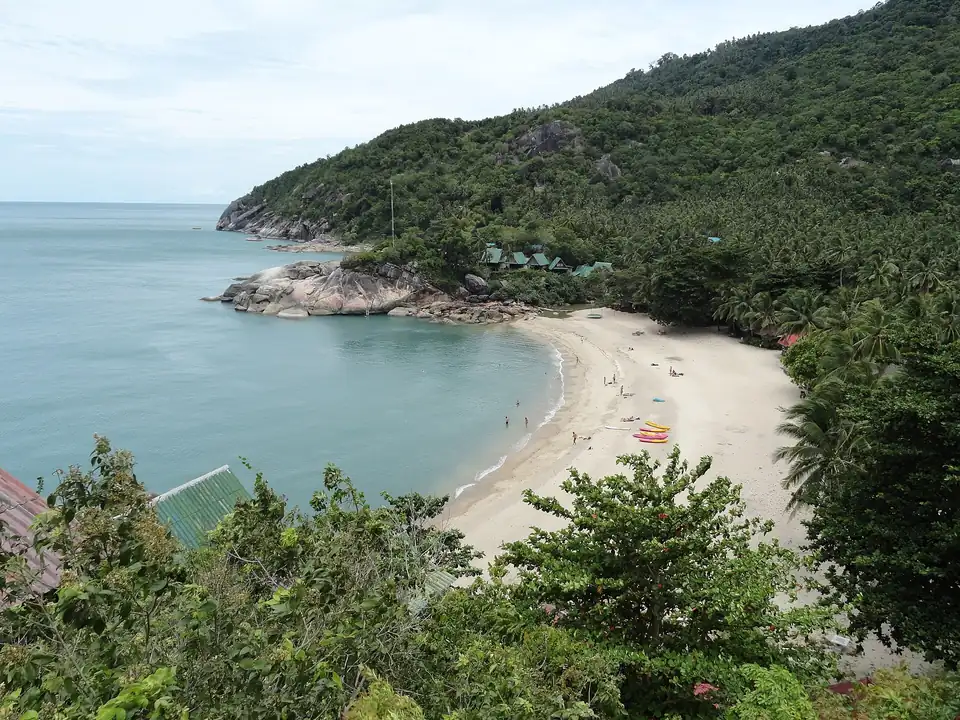 Koh Phangan
 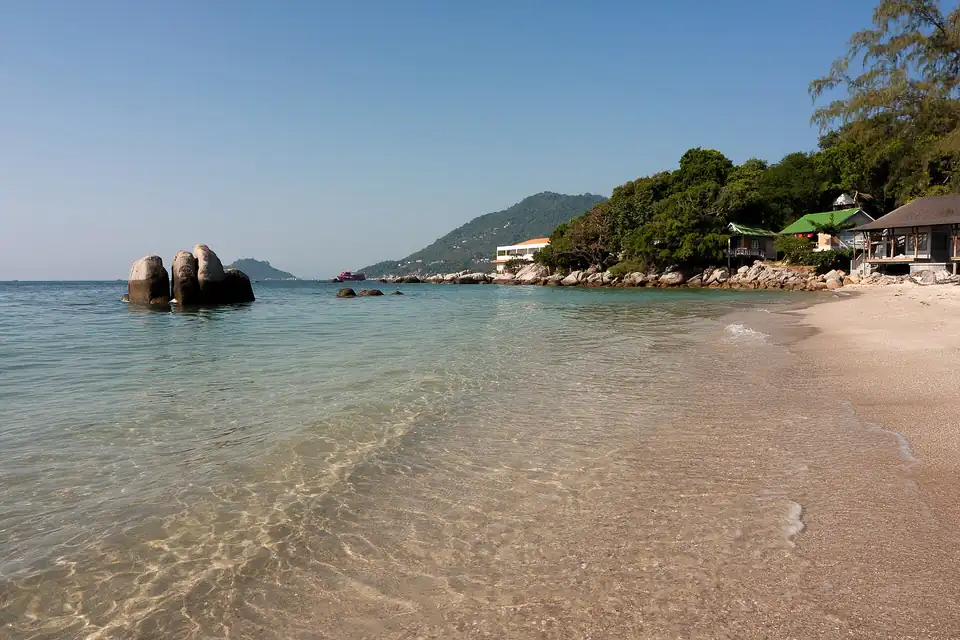 Koh Tao
 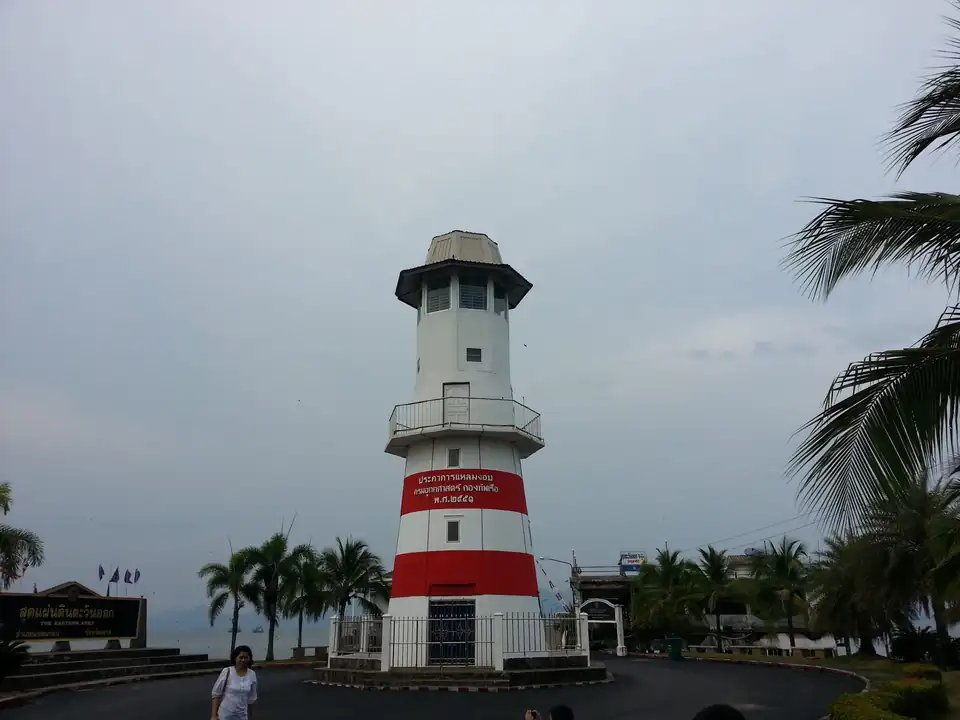 Trat
Trat 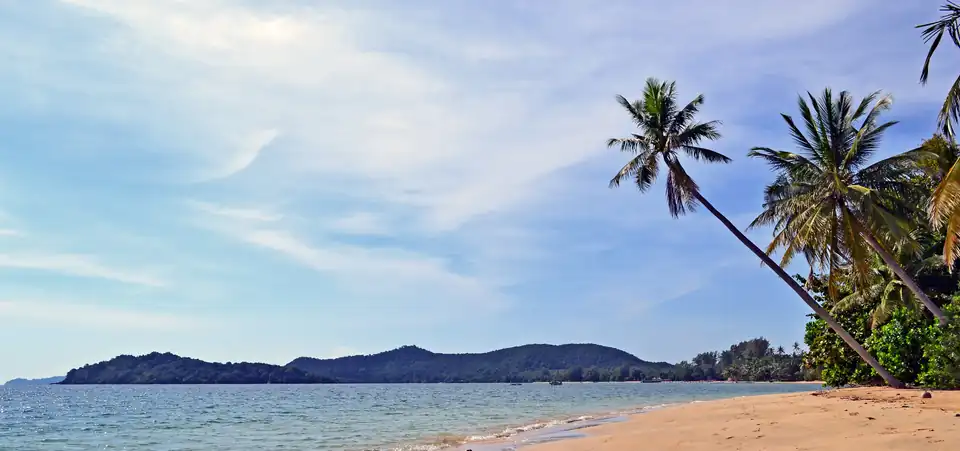 Koh Mak
 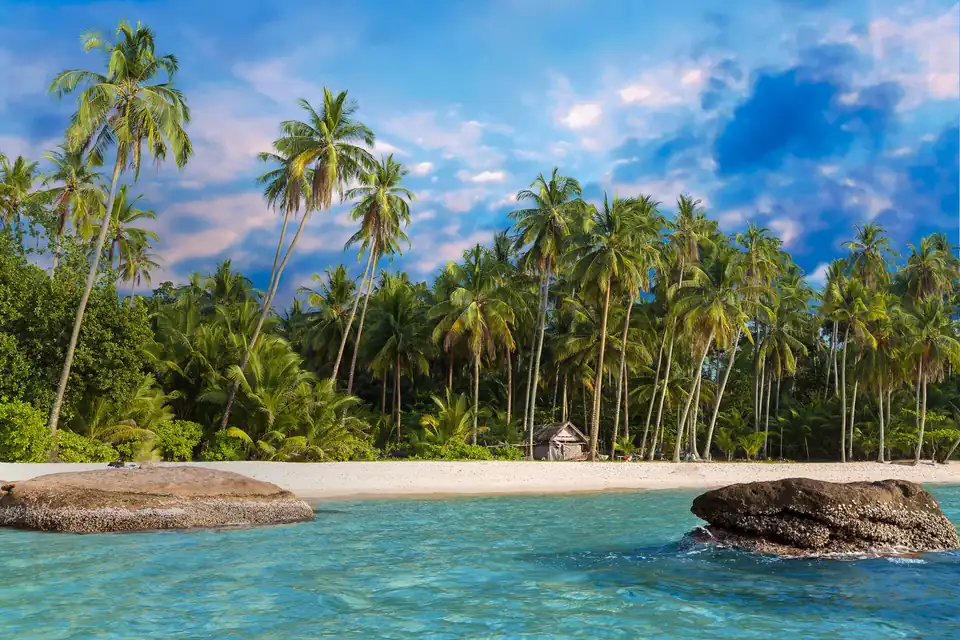 Koh Kood
 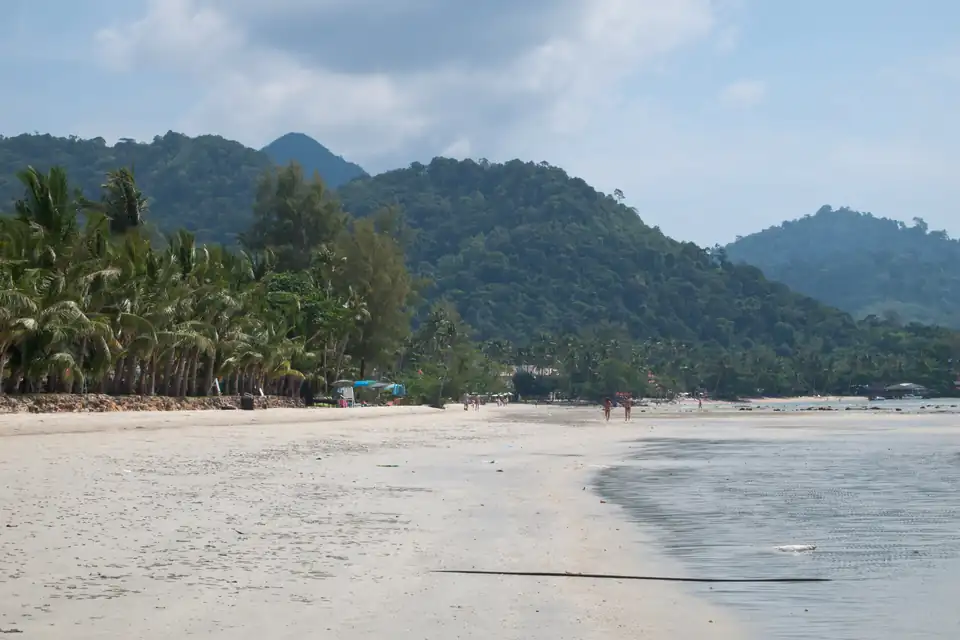 Koh Chang
 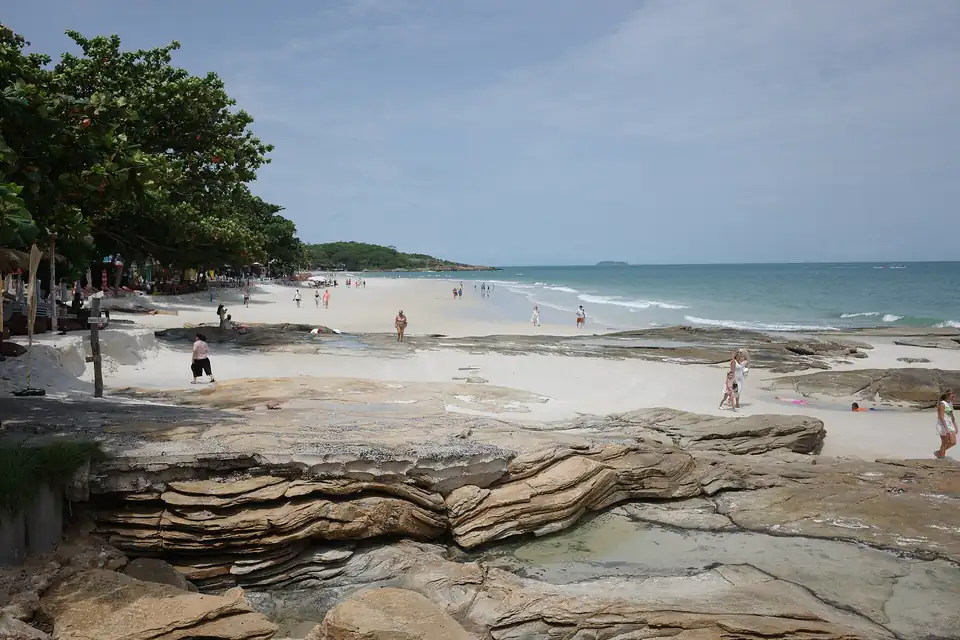 Koh Samet
 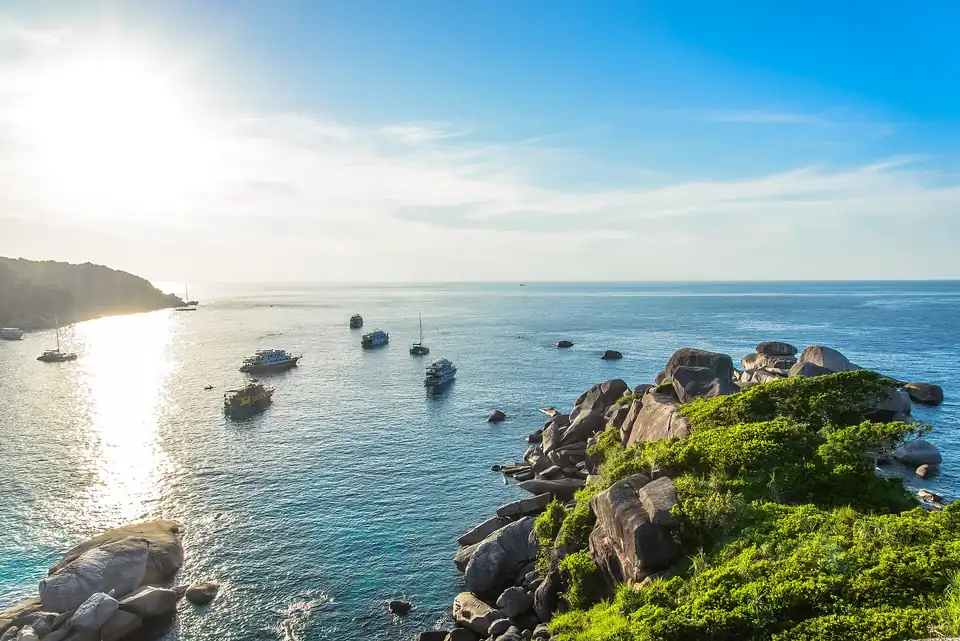 The Similan Islands
 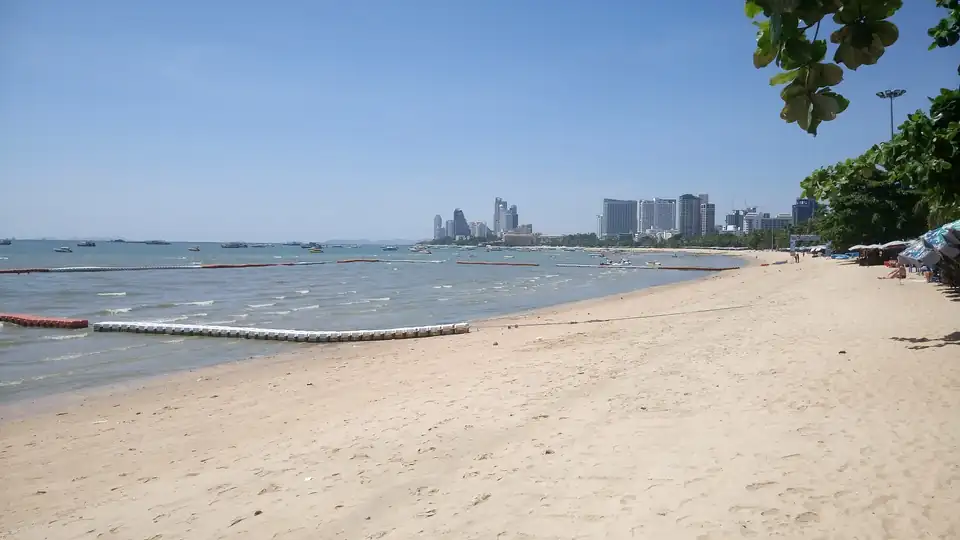 Pattaya
 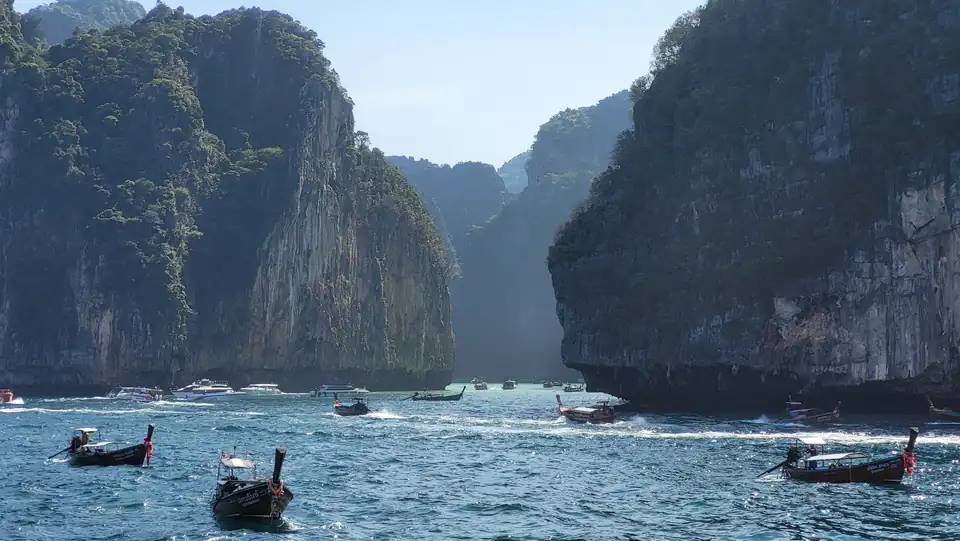 Koh Phi Phi
 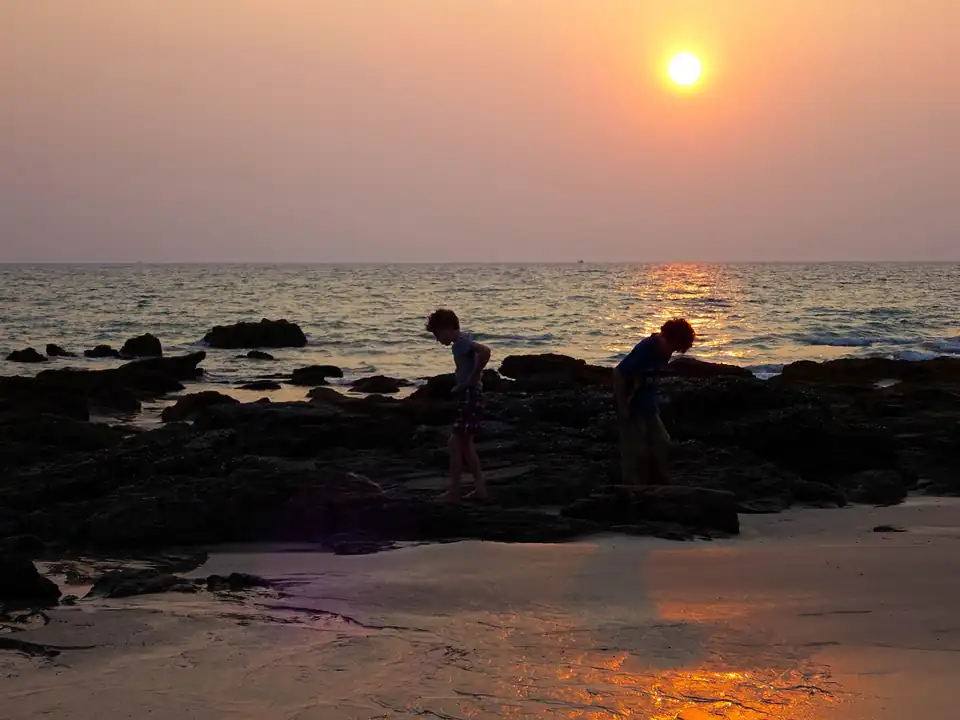 Koh Lanta
 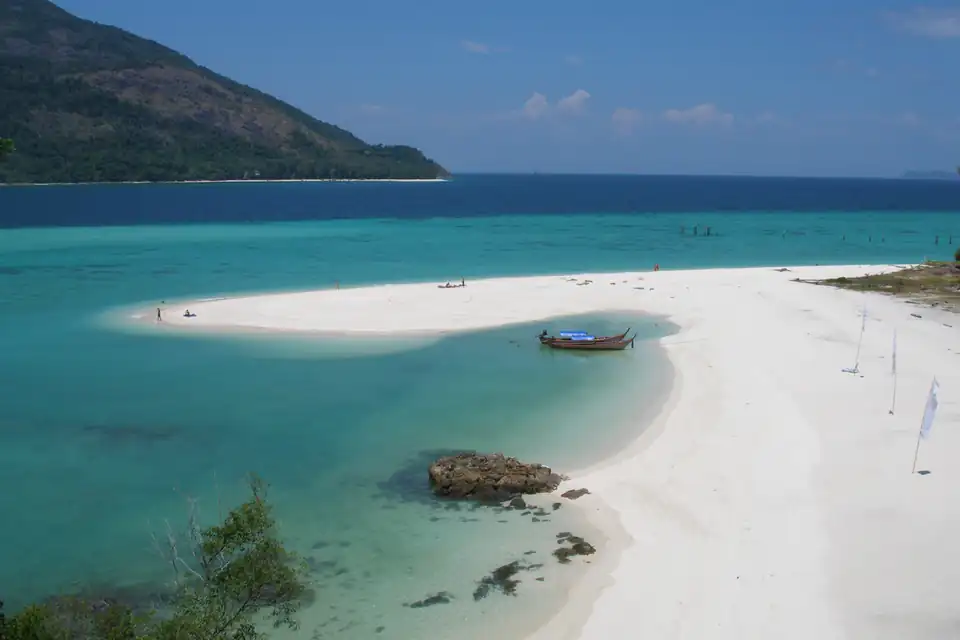 Koh Lipe
  Thailand Islands