
Before you go
How Much Does a Thailand Trip Cost?
What a day in Thailand actually costs at three spending levels, what moves the price, and where the gap between cheap and comfortable is largest.
Thailand can be run on a tight backpacker budget or as a full-on luxury holiday, and most trips land somewhere between the two. Rather than quoting a single daily figure that goes stale fast and varies wildly by where you are and when you travel, this guide breaks down what each spending level actually buys, what moves the price up or down, and where to trim costs without trimming the trip.
Three ways to budget a Thailand trip
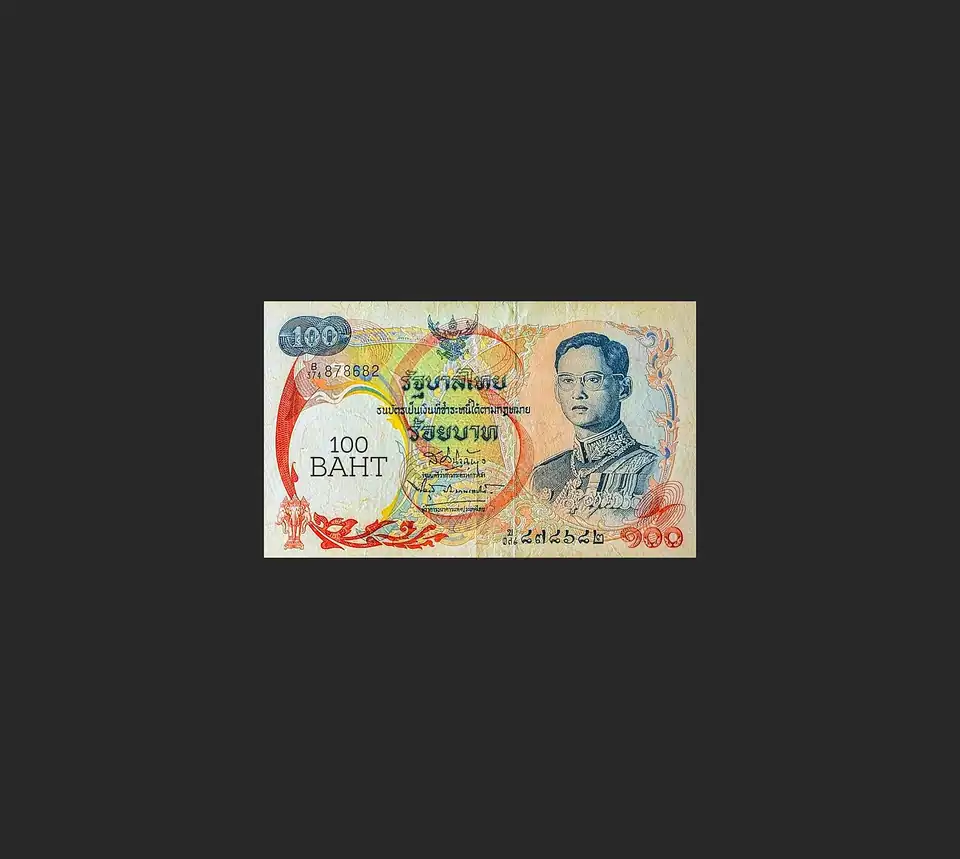
Prices below are deliberately broad and change with the season, the region and the exchange rate, so treat them as a way to sort travel styles rather than a number to bank on. Check current listings and fares closer to your trip for anything precise.
| Tier | What it typically buys |
|---|---|
| Shoestring / backpacker | Hostel dorms or simple fan guesthouses, street food and market meals almost every day, second or third-class trains and public buses between towns, and self-catering from 7-Eleven and local minimarts. Thailand is one of the more affordable countries in the region to travel this way, and a determined backpacker can keep daily spending low without feeling like they are missing much. |
| Mid-range | A private room in a comfortable two- or three-star hotel or a nicer guesthouse, a mix of street food and sit-down restaurant meals, air-conditioned buses or trains with the occasional short domestic flight to save a travel day, and a paid tour or activity here and there. This is where most visitors who want some comfort without full resort prices end up sitting. |
| Comfort / luxury | Four- and five-star hotels or resorts, private airport and inter-city transfers, spa visits, and fine dining alongside the odd street-food outing for novelty rather than necessity. Thailand’s luxury end is genuinely excellent value against comparable resorts elsewhere in Asia or Europe, which is part of why the country attracts high-end travellers as readily as backpackers. |
What actually drives the cost of a Thailand trip
A handful of decisions matter far more than any single line item, and understanding them helps more than memorising prices that will be out of date within a season.
Accommodation is the biggest lever
Nowhere else in a Thailand budget moves as much as where you sleep. The gap between a dorm bed and a beachfront villa is enormous, and unlike food or short taxi rides, accommodation is a cost you pay every single night of the trip. Trimming this one category does more for an overall budget than any other single change.
Region changes the maths
The islands, and Phuket and Koh Samui in particular, run noticeably higher than the mainland, since so much has to be shipped or flown in and demand from international visitors keeps prices firm. Bangkok sits in the middle: a genuinely huge city with options at every price point. The north around Chiang Mai and the northeastern Isan region tend to run cheaper across food, transport and rooms alike, which makes them a natural stop for anyone trying to stretch a budget further.
Season matters as much as region
The cool, dry high season and public holidays push accommodation prices up across the country, island rooms especially, and the gap between high and low season rates can be considerable. Travelling in the wetter green season, or simply avoiding the peak holiday weeks, is one of the more effective ways to cut costs without cutting the trip short. See the best time to visit Thailand for how the seasons actually differ beyond the price tag.
Alcohol and imported goods cost more than you’d expect
Local food, transport and most goods are inexpensive, but imported alcohol, wine and international brand-name products carry high taxes and can feel surprisingly expensive next to how cheap everything else is. Local beer and Thai spirits are the better-value choice if this matters to your budget.
Where your money actually goes
Food
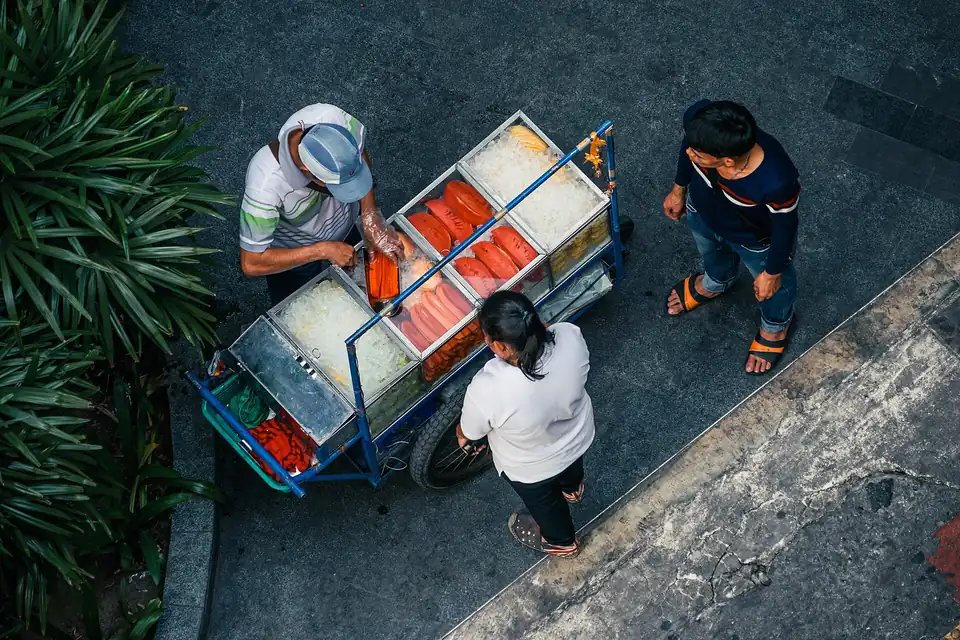
This is where Thailand over-delivers. Street food and market stalls are cheap, quick and genuinely some of the best food you’ll eat on the trip, and eating this way most days keeps the food line of a budget very low. Restaurant and hotel dining costs more, sometimes substantially, but even mid-range sit-down meals remain reasonable by international standards. For a fuller picture in the capital, see where to eat in Bangkok.
Transport
Local transport, city buses, the BTS and MRT in Bangkok, and long-distance trains, is cheap and often the most enjoyable way to get around. Domestic flights between regions cost more but save real time on longer hops, and are worth it once a trip covers more than one or two areas. See getting around Bangkok for how the city-level options compare.
Activities and tours
Temple entry fees, national park fees and museum tickets are generally modest, while guided tours, diving trips and multi-day excursions add up faster and vary a great deal by operator and inclusions. Booking a handful of paid highlights rather than a tour for every day keeps this category under control.
Accommodation
Covered above as the single biggest lever, but worth repeating here: this is the category to adjust first if a budget needs trimming or has room to spend more.
The easiest single saving: travel in the green season
Accommodation rates, island rooms especially, drop noticeably outside the cool, dry high season and away from major holidays. Rain in the green season tends to arrive in short, heavy bursts rather than ruining whole days, and the trade-off in lower prices and thinner crowds is one of the best value moves available to anyone with flexible dates.
More ways to save without feeling the pinch
- Eat where locals eat: street stalls and market food courts cost a fraction of restaurant prices and are often better anyway.
- Use the BTS, MRT and trains over taxis for longer or repeated trips; they are cheap, fast and skip the traffic.
- Travel in the green season or outside major holidays for lower accommodation rates across the board.
- Book island accommodation well ahead if travelling in the high season, when the best-value rooms sell out first.
- Withdraw larger amounts less often to reduce the impact of per-transaction ATM fees, and check your home bank’s foreign withdrawal charges before you go.
- Carry some cash for markets, small vendors and rural areas where cards are not always accepted, alongside a card for hotels and larger purchases.
Tours are the most elastic line in a Thailand budget, and the gap between a joiner day trip and a private car with a guide is several times the price rather than a few percent. We have deliberately not put a tour grid here: the top-rated products on a country-wide search skew expensive, which is the opposite of what this page is for. Browse Thailand tours and tickets when you are ready to price a specific day, and compare the joiner and private options for the same route before booking.
Plan the rest of your Thailand trip
Once the budget is sorted, line up the logistics: entry requirements and timing make the biggest difference to how smoothly the trip runs.
Frequently asked questions
Is Thailand a cheap country to visit?+
By the standards of a first-time international trip, yes, particularly for food, local transport and budget accommodation. It is not the cheapest country in the region for every category, and imported goods and alcohol cost more than the rest of the budget would suggest, but overall it remains good value across all three travel styles.
What's a realistic daily budget by travel style?+
It depends heavily on region and season, so treat any single number with caution. A shoestring traveller sticking to dorms, street food and public transport spends far less per day than someone booking mid-range hotels with the odd flight and tour, and a resort-based luxury trip costs more again, mainly through accommodation and dining choices rather than transport or activities.
Which part of Thailand is cheapest to visit?+
Isan in the northeast and the rural north tend to run the least expensive, across food, transport and rooms. Chiang Mai and the north generally cost less than Bangkok, and Bangkok in turn tends to cost less than the islands, with Phuket and Koh Samui usually sitting at the top of the price range.
Should I bring cash or rely on cards?+
Both. Cards and contactless payment are widely accepted in cities, hotels and larger shops, but many markets, street stalls and rural vendors are cash-only. Carrying a reasonable amount of cash alongside a card, and withdrawing in larger sums to limit ATM fees, works well for most trips.