
Chiang Mai
Where to Stay in Chiang Mai
The old city inside the moat, Nimman, or the river. Chiang Mai is small enough that the choice is about character rather than commuting.
Chiang Mai is small enough that where you stay is a question of character rather than commuting. The whole centre fits inside a few kilometres, and a red songthaew across it costs less than a coffee, so nobody needs to plan a day around traffic the way they do in Bangkok. What changes between areas is what waits outside the door: Lanna temples and guesthouses inside the old square moat, coffee houses and restaurants in Nimmanhaemin to the west, or markets and the larger riverside hotels out towards the Ping. Pick the one that matches how you want to spend your evenings, because getting to everything else is the easy part.
| Looking for… | Best area |
|---|---|
| A first visit built around temples | Old City (inside the moat) |
| Coffee houses, restaurants and a younger scene | Nimmanhaemin |
| Budget guesthouses and hostels | Old City, on the quieter lanes inside the moat |
| Night markets on the doorstep | Riverside & Night Bazaar |
| Resort-style pools, gardens and spas | Riverside & Night Bazaar |
Old City (inside the moat)
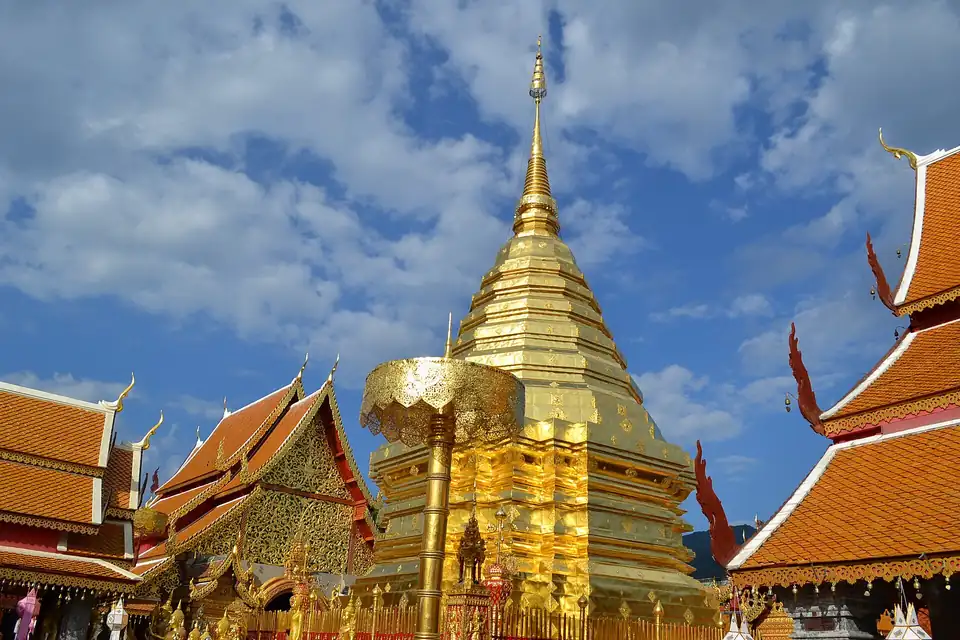
The old city is a square, roughly a mile and a half along each side, still ringed by its moat and the brick remains of its wall. Almost everything a first visit is built around sits inside it or just outside: Wat Phra Singh, Wat Chedi Luang, Wat Phan Tao and a long tail of smaller temples you come across without looking for them. Accommodation here runs to guesthouses, converted teak houses and small boutique hotels arranged around courtyards rather than towers with lobbies. You can walk between most of the sights, which is the main argument for paying old city rates.
The trade-offs are real. Rooms tend to be smaller and facilities thinner than the riverside hotels offer at the same price, and pools, where they exist, are modest. Sunday evenings bring the Walking Street along Ratchadamnoen Road, which is worth seeing and also closes the middle of the old city to traffic and fills it with people, so a room on that stretch is lively rather than restful. If you want quiet, book on one of the lanes towards the north or west walls rather than on the main roads.
Who this area suits
First-time visitors who want temples within walking distance and are happy to trade resort facilities for atmosphere and a genuinely central position.
Nimmanhaemin
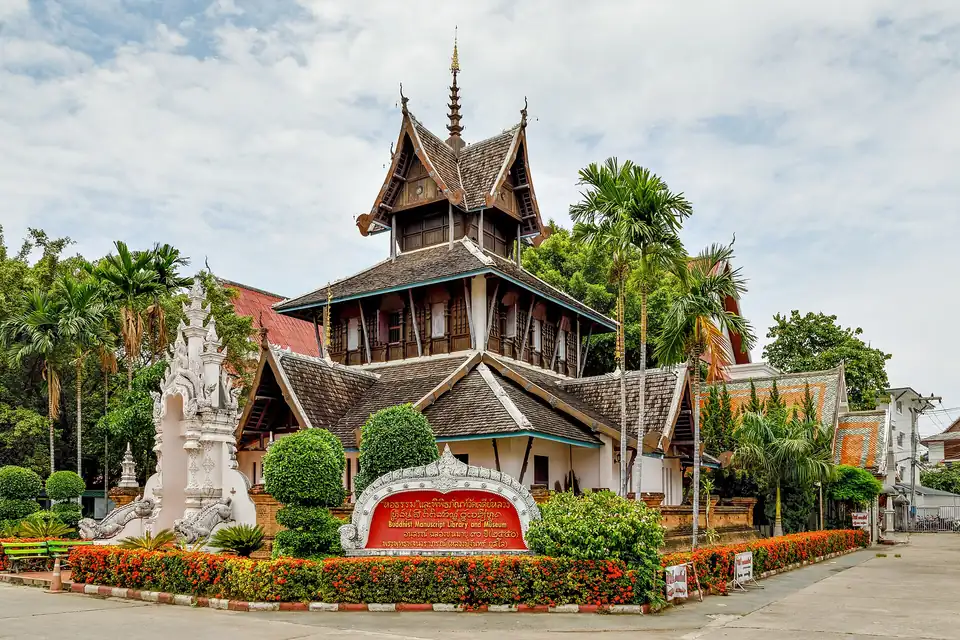
Nimmanhaemin sits just west of the moat, next to Chiang Mai University, and it is where the city’s coffee culture, design shops and restaurant scene concentrate. The numbered sois running off Nimmanhaemin Road hold most of it, alongside the Maya shopping centre and the One Nimman complex at the top end. It draws a younger crowd, a large remote-working contingent, and anyone who would rather spend an evening working through the restaurants than the temples. Hotels here are mostly modern, and the mid-range ones are noticeably newer than their old city equivalents.
What you give up is proximity to the sights. There is no major temple within comfortable walking distance, so days built around Wat Phra Singh or the Sunday market start with a songthaew ride, which is cheap and quick but still a ride. Nimman also reads as a contemporary Thai city district rather than as old Chiang Mai, which suits some travellers and disappoints others. It is a better second visit than a first one.
Who this area suits
Repeat visitors, remote workers, and anyone who values coffee houses, restaurants and newer rooms over being able to walk to a temple.
Riverside & Night Bazaar
East of the moat the city runs down towards the Ping River, and this is where the larger hotels are. The Night Bazaar occupies Chang Klan Road and the streets around it, trading every evening in the usual mix of textiles, carvings, knock-offs and food stalls, with the Anusarn and Kalare market sections attached. Further east, along the river itself, are the international resorts and spa hotels, several with gardens and pools looking over the water. If you want a large room, a proper pool or a spa, this is the part of Chiang Mai that has them.
The area splits in two moods, which is worth knowing before booking. The Night Bazaar stretch is commercial and busy into the late evening, convenient if the markets are the point and wearing if they are not. The riverside proper is markedly quieter and greener, at the cost of a longer walk or a short ride to the temples. Both sit close enough to the old city that a day of sightseeing remains straightforward.
Who this area suits
Travellers who want resort facilities, a river outlook or the markets on the doorstep, and who do not mind riding rather than walking to the temples.
Plan the rest of the trip
Once the base is settled, line it up against the tours and day trips that leave from the city.
Where to stay, area by area
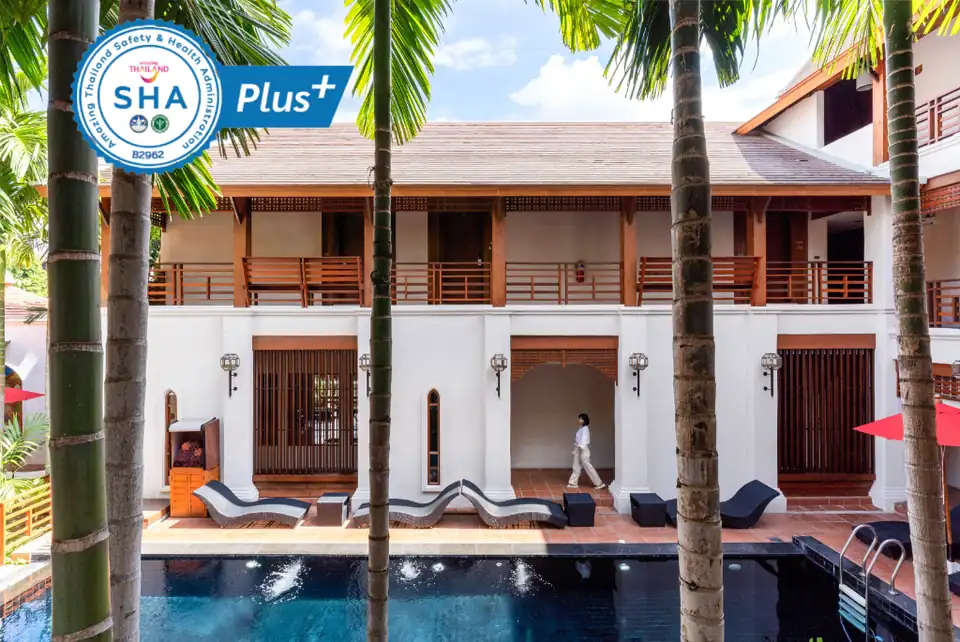
Well-rated stays in Old City (inside the moat)
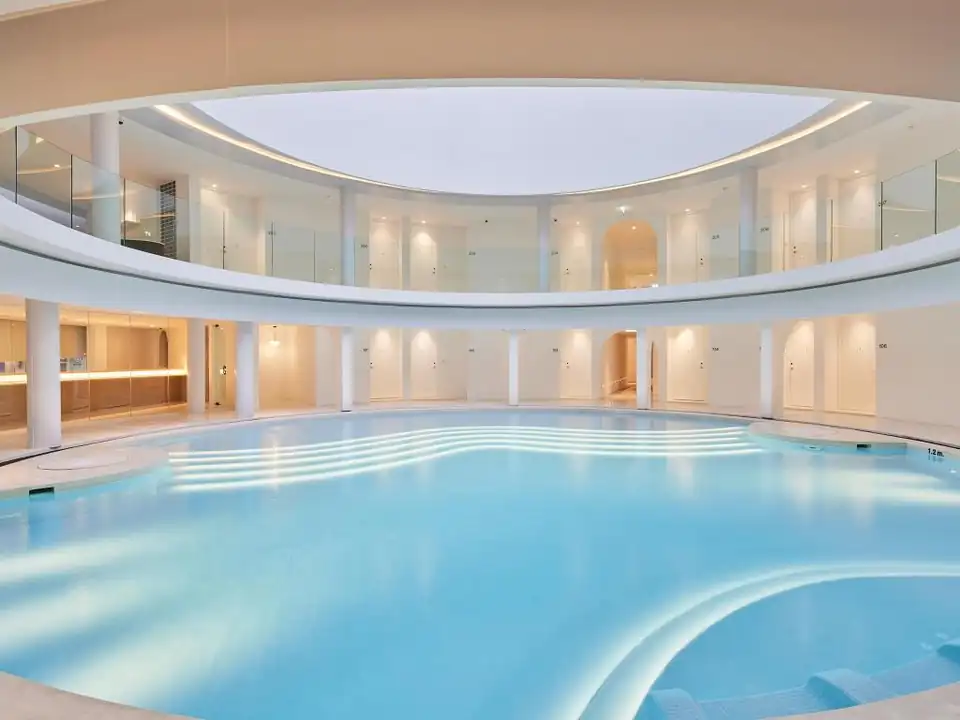
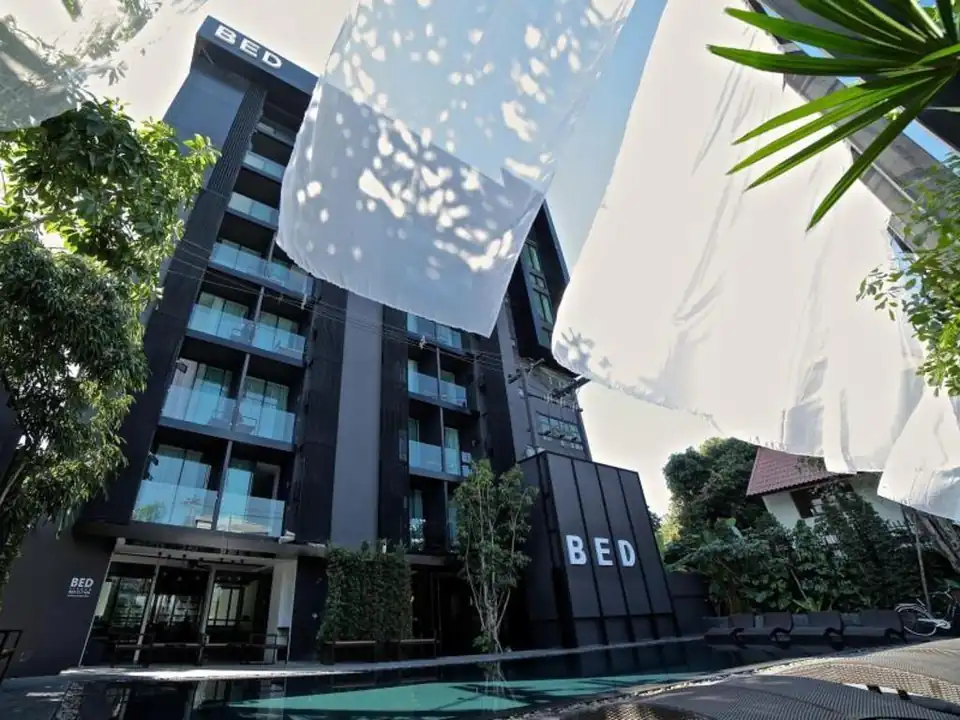
Well-rated stays in Nimmanhaemin

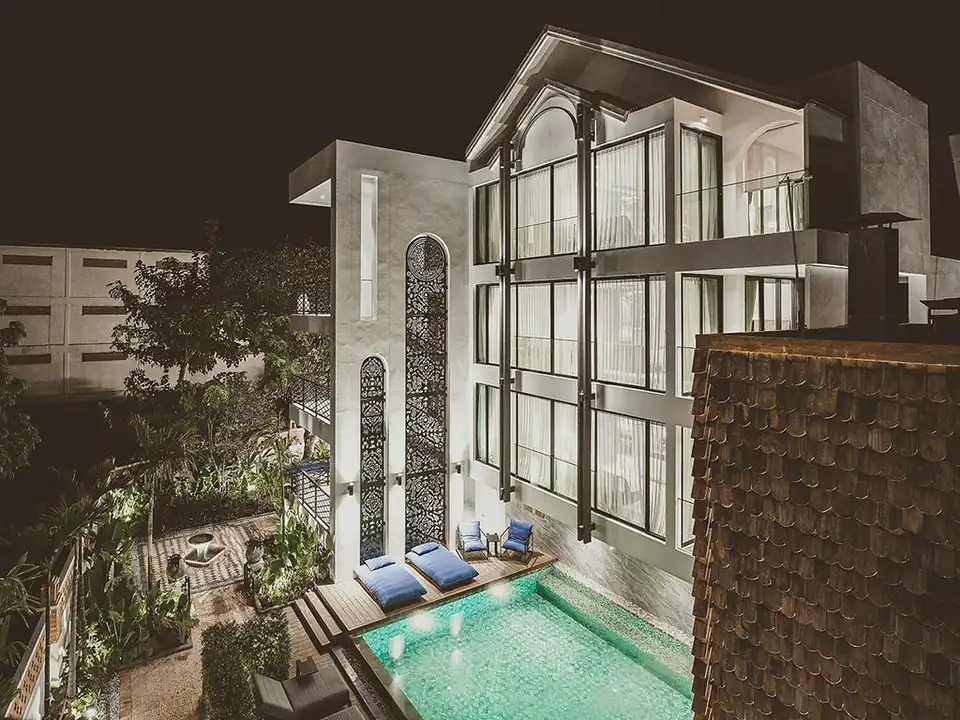
Well-rated stays in Riverside
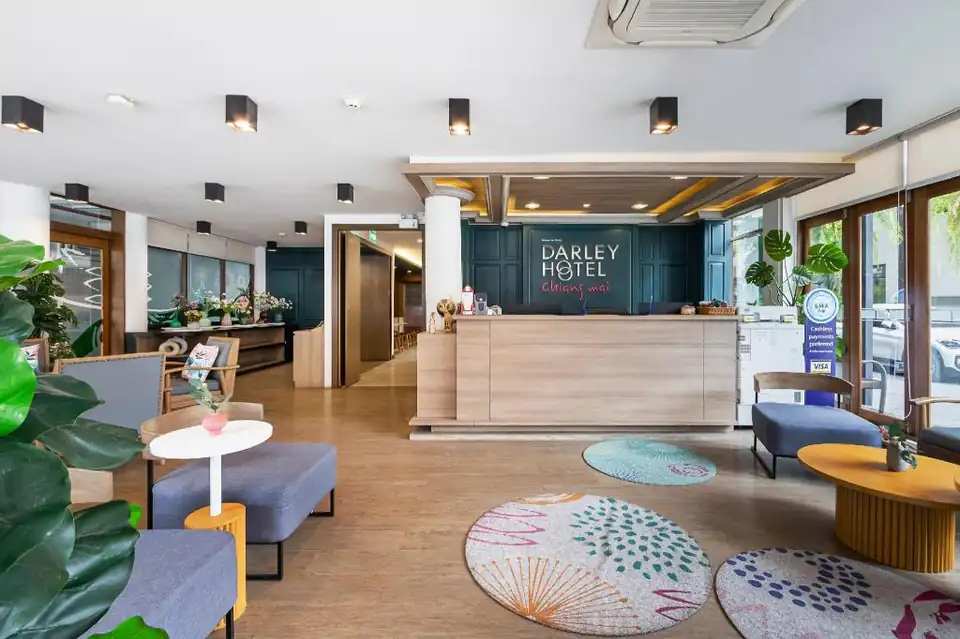
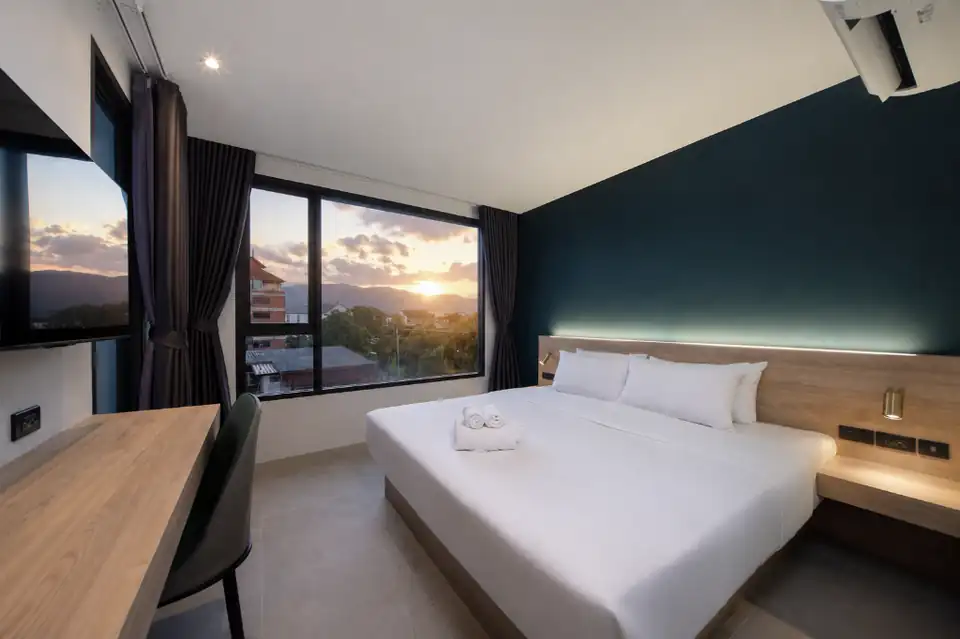
Every area above lists the best-rated properties closest to it, ranked on Agoda’s guest score weighted by how many reviews stand behind it, so a high score across a handful of stays does not outrank a slightly lower one across thousands. We have not stayed in them: the ranking is Agoda’s data, not our verdict. Scores and review counts read on 2026-09-03.
Where to Stay in Chiang Mai FAQs
Which area should first-time visitors choose?+
The old city, in most cases. It puts the temples within walking distance, which is what most first trips to Chiang Mai are built around, and it is the easiest base for the Sunday Walking Street and the day trips that leave from the centre. Choose Nimmanhaemin instead if restaurants, coffee and a newer room matter more to you than temples on foot.
Do I need to think about transport when choosing an area?+
Far less than in Bangkok. Chiang Mai has no Skytrain or metro, but the centre is compact and shared red songthaews run constantly for a flat fare on short hops, with tuk-tuks and ride-hail apps filling the gaps. Crossing between the three areas here takes minutes rather than the half hour a similar hop can take in the capital, so distance rarely decides the booking.
Is there a time of year to avoid?+
March and April bring the agricultural burning season, when air quality across northern Thailand drops sharply and the mountains often disappear into haze. Rooms are at their cheapest then, and that is why. If you are sensitive to air quality, or you are coming for the views and the trekking, plan around it and read our notes on the best time to visit Thailand before booking.
When do I need to book well ahead?+
Loy Krathong and Yi Peng in November are the busiest nights of the year in Chiang Mai and the old city fills first, often months out. The cool season from December to February is the other stretch where good rooms go early. Outside those periods you can usually book close to arrival without paying much of a premium.