
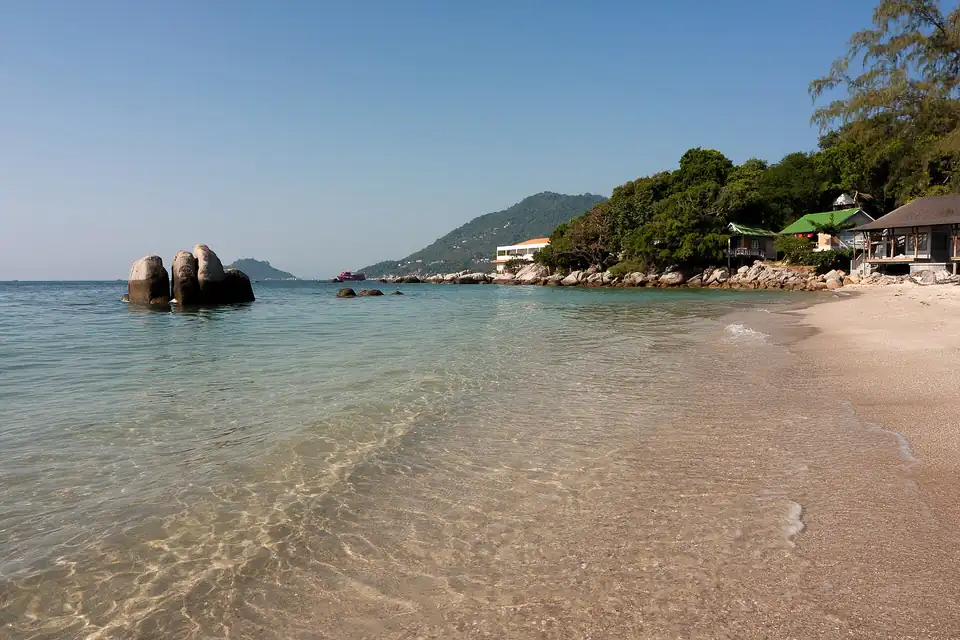
Koh Tao
Where to Stay on Koh Tao
On an island where most visitors are on a dive course, the base is decided by the school before the beach. Five areas compared on what is walkable, how far the boats are and how remote you actually want to be.
Koh Tao is small, about twenty-one square kilometres, and almost everywhere on it is within twenty minutes of everywhere else. That makes the accommodation question less consequential here than on Phuket or Samui, and it makes one other question far more consequential than usual.
Settle the dive school first. Most visitors to this island are here on a course, and most schools either include accommodation for its duration or discount it heavily. Booking a room before booking a school is the commonest way to pay twice for the same nights. Ask what is included, then book only the nights either side.
Sairee
The main strip: two kilometres of west-facing beach with the dive schools, most of the restaurants, the bars and the sunset behind it. If you are learning to dive, this is where you will be, and it is also the only part of the island with an evening in the ordinary sense.
It is busy and it is not quiet at night at the southern end, nearer the bars. The northern end thins out considerably and is where to look if you want the address without the volume. The beach itself is a working one, with longtails drawn up and boats coming and going all day.
One thing the brochures do not mention. Sairee faces west into the Gulf and is the roughest water this site measures anywhere on that coast, averaging 0.89 metres of wave height in December and 0.73 in January against 0.64 and 0.58 off Chaweng. In the northeast monsoon, roughly November to January, the swim in front of the strip is not the calm bathtub the photographs suggest.
Mae Haad
The pier village, ten minutes south of Sairee on foot. Everything arrives here: the ferries, the freight, the people. It has the banks, the pharmacies, the clinic and a good number of restaurants, and it is the most practical base on the island for anyone not diving.
It is not a beach base. There is sand, but it is a working harbour, and people stay here for convenience rather than for the water.
Chalok Baan Kao
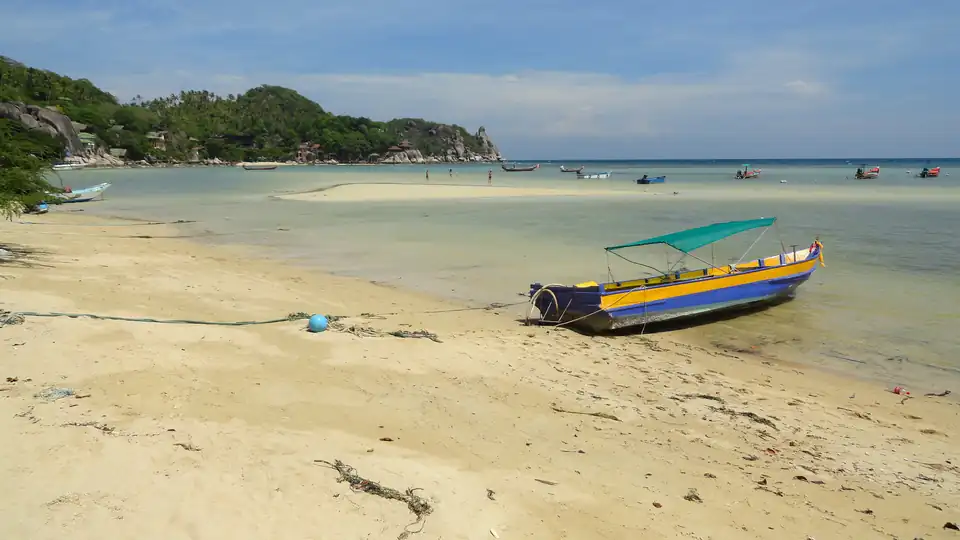
The south coast, fifteen minutes from Mae Haad: a rounded bay with a shallow reef flat, a small cluster of restaurants and bars, and a noticeably older and quieter crowd than Sairee. It is the compromise most repeat visitors settle on, close enough to reach the schools and far enough to sleep.
The bay is shallow and rocky in places, which is good for snorkelling straight off the beach and poor for swimming at low tide. It is also the calmest measured water on Koh Tao, about twelve per cent below Sairee in the worst month and below it in all twelve.
The east coast: Tanote, Hin Wong and Ao Leuk
The other side of the island, and a genuinely different proposition. Tanote Bay, Hin Wong Bay and Ao Leuk are small, mostly rocky bays with clear water, a handful of places to stay and almost nothing else. They are the best snorkelling on the island from the shore.
They are not, however, calmer. Tanote sits in its own cell of the marine model and returns figures within three centimetres of Sairee’s in every month of the year, which is to say the two coasts are the same sea. The bay that is genuinely calmer is Chalok Baan Kao in the south: 0.78 metres in December against Sairee’s 0.89, and calmer in all twelve months. We had this the other way round until the east coast was measured.
Two warnings, and they are the reason this is not a first-visit choice. The roads over are steep, partly unsealed and are where a large share of the island’s scooter injuries happen, particularly in the wet. And there is nowhere to eat but your own resort, so dinner is a decision made at breakfast.
Choosing, in one paragraph
Learning to dive: Sairee, and take whatever your school offers. Diving already, and want to sleep: Chalok Baan Kao. Not diving at all: Mae Haad for convenience or Chalok for a beach. Been before: the east coast, with transport and a plan for dinner.
What there is to do beyond the water, and the crossing that gets you here, are on the Koh Tao guide. The ferry routes are on the route pages, and the season that governs both is the Gulf calendar set out on our Koh Samui weather page, which reads across to this island.
Where to stay, area by area
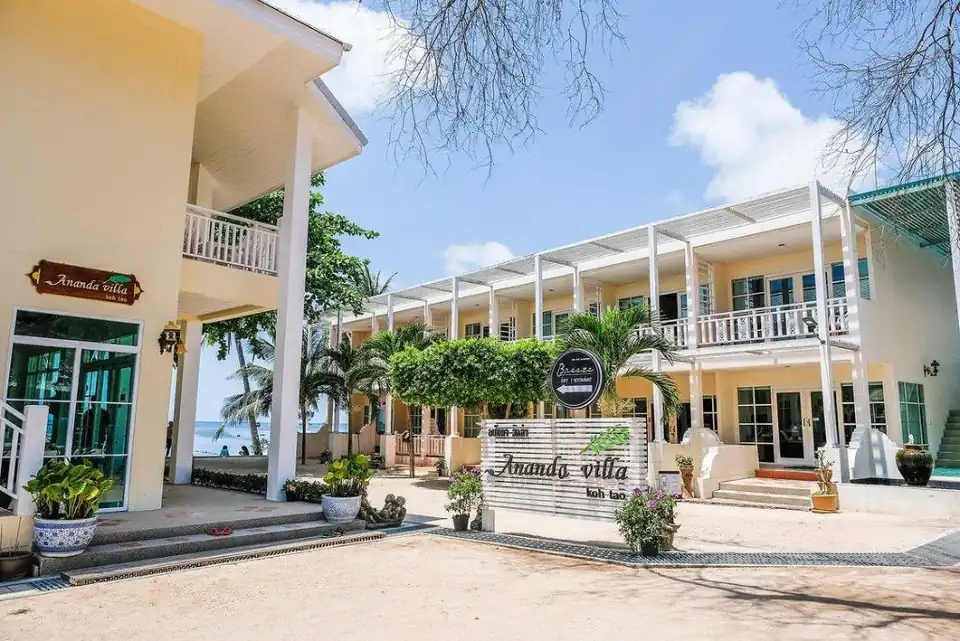
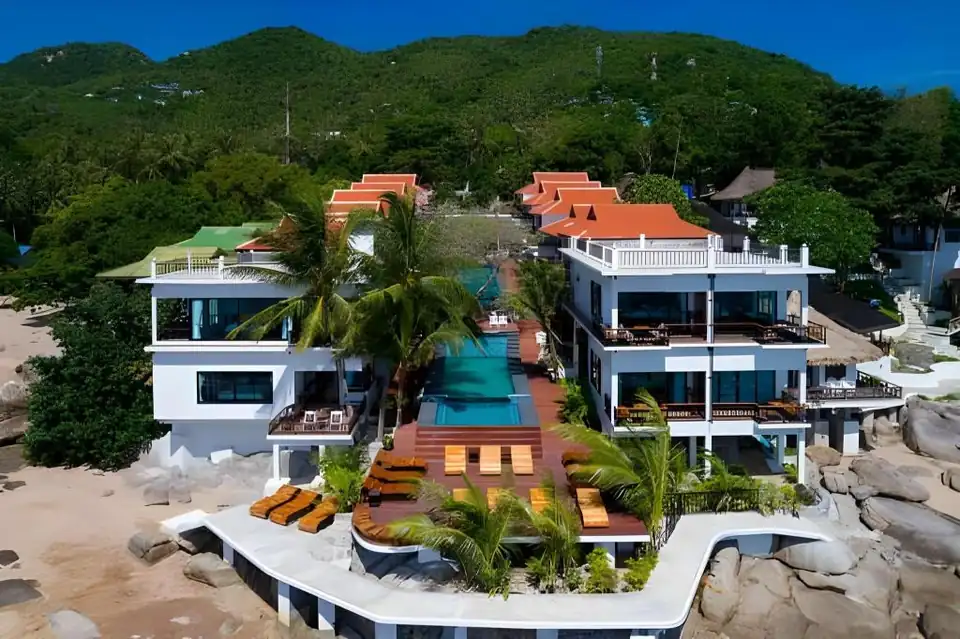
Well-rated stays in Sairee
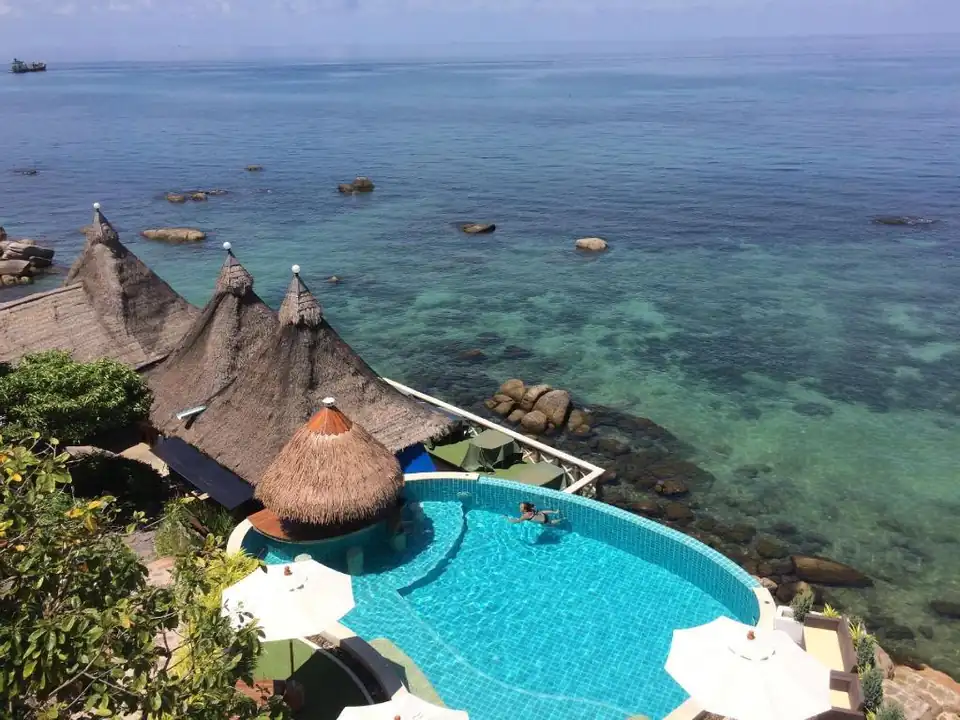
Well-rated stays in Mae Haad
Well-rated stays in Chalok Baan Kao
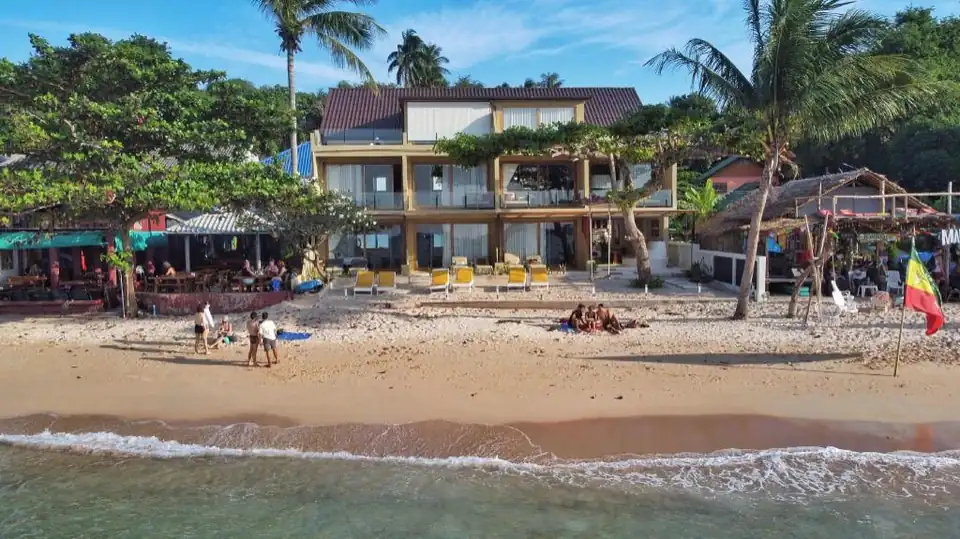
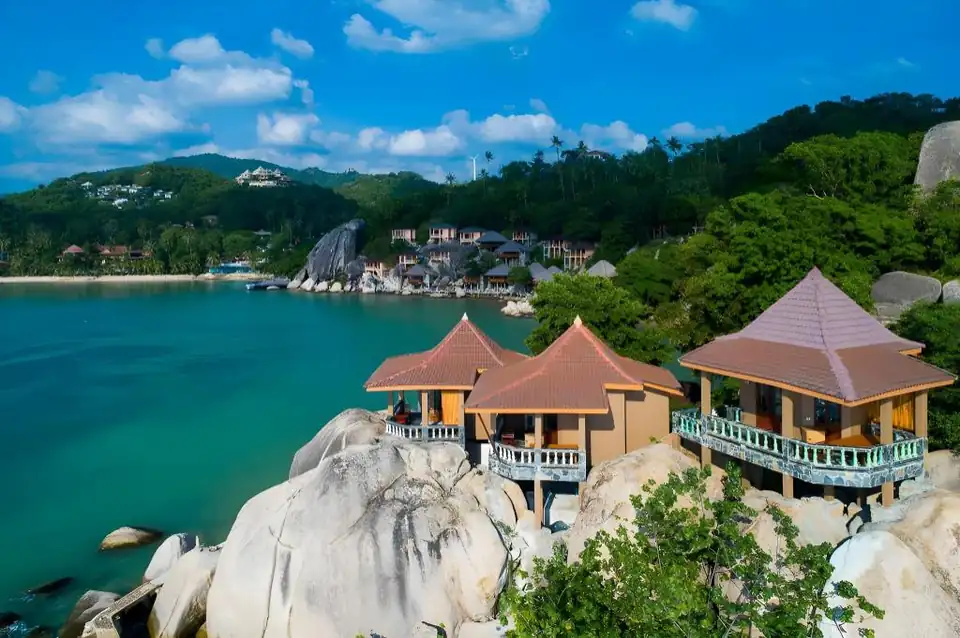
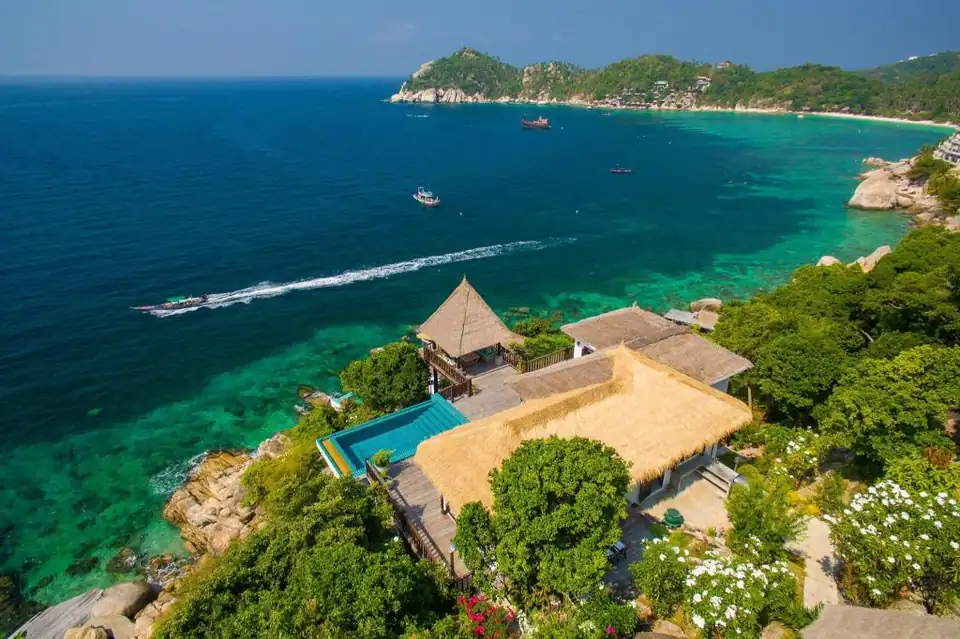
Well-rated stays in The east coast bays
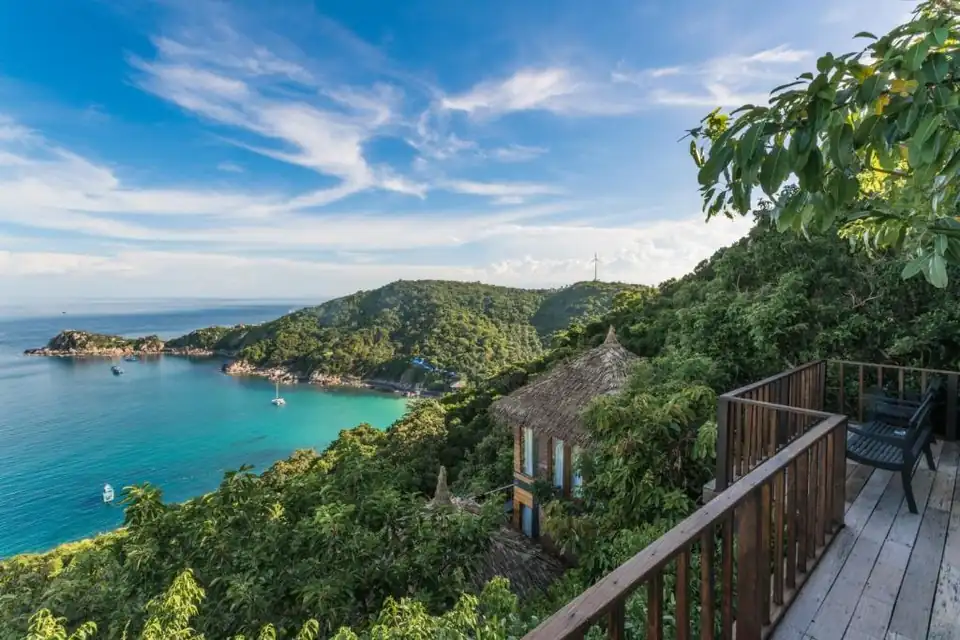
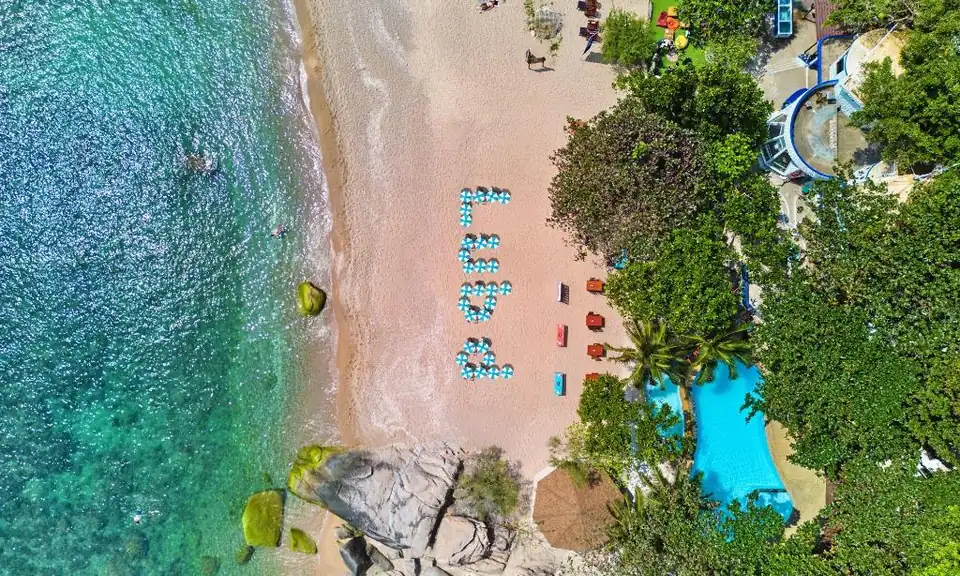
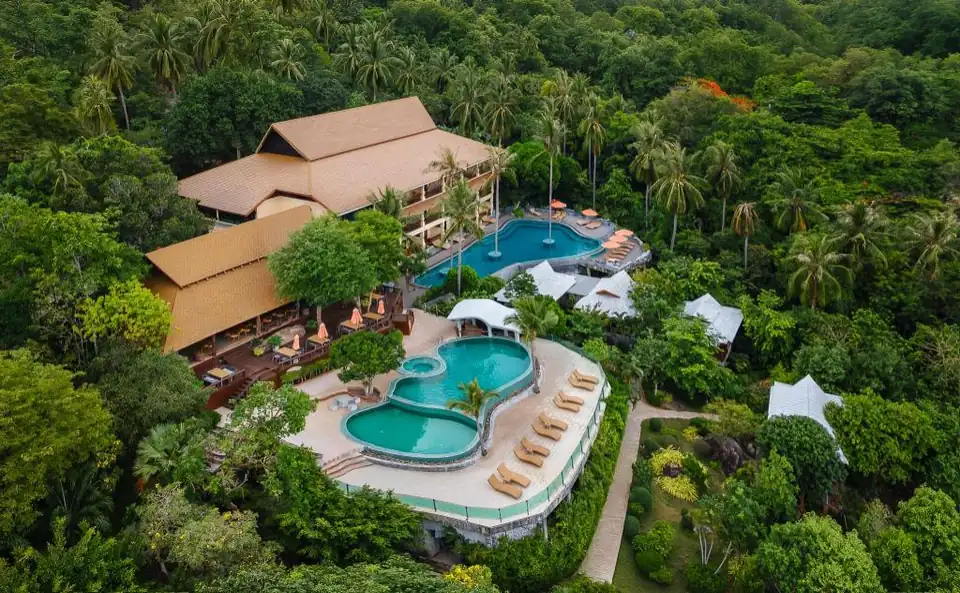
Every area above lists the best-rated properties closest to it, ranked on Agoda’s guest score weighted by how many reviews stand behind it, so a high score across a handful of stays does not outrank a slightly lower one across thousands. We have not stayed in them: the ranking is Agoda’s data, not our verdict. Scores and review counts read on 2026-09-03.
Where to Stay on Koh Tao FAQs
Where is the best place to stay on Koh Tao?+
Sairee for a first visit, and for anyone learning to dive: it has the schools, the restaurants and the only real evening on the island, along a beach you can walk end to end. Chalok Baan Kao in the south is the quieter version with enough behind it. The east-coast bays are for people who have been before and want to be somewhere else.
Should you book a room before booking a dive course?+
Usually the other way round. Most Koh Tao schools include or heavily discount accommodation for the duration of the course, so booking a room first can mean paying twice. Settle the school, ask what is included, and book only the nights either side of it.
Is Sairee too busy?+
It is the busiest part of the island and that is the whole reason it works. It has the dive schools, most of the places to eat and the bars, and the sunset. If you want quiet, that is what Chalok and the east coast are for, and they are ten to twenty minutes away rather than an hour.
Do you need a scooter on Koh Tao?+
In Sairee, Mae Haad and Chalok, no: each is walkable and the songthaews run between them. For the east-coast bays, yes or a taxi every time, and the roads to several of them are steep, unsealed and genuinely dangerous on a scooter in the wet. This is the island where scooter injuries are a well-known problem.
Which side of Koh Tao is calmest?+
The east and south, in the northeast monsoon from about November to January. Sairee faces west and is the roughest water this site measures anywhere in the Gulf, averaging 0.89 metres in December against 0.64 off Chaweng on Koh Samui. In the summer months the difference largely disappears.