
Khao Lak
Where to Stay in Khao Lak
Khao Lak is thirty kilometres of beaches with a road behind them, so the accommodation question here is really the beach question. Five stretches compared on what is walkable, what the sea does, and how far you are from dinner.
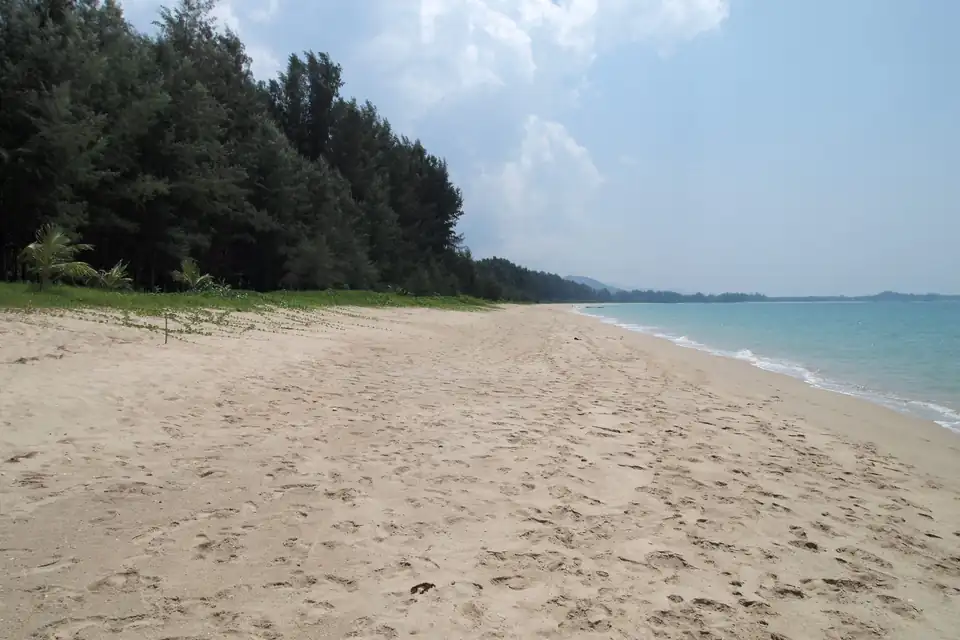
Khao Lak is not a town and it is not a resort. It is about thirty kilometres of west-facing beach with one road behind it, national park at both ends and almost nothing above three storeys anywhere in between. So the question is not which hotel. It is which stretch of the thirty kilometres, and everything else follows from that.
One question settles most of it: do you want to be able to walk to dinner? Two of the five stretches below say yes and three say no, and there is no middle. This coast has no pavement culture, the main road is fast and carries lorries, and a resort that is “ten minutes from Bang Niang” means ten minutes in a vehicle every single evening.
Nang Thong, the southern end
The nearest thing Khao Lak has to a centre. A long strip of restaurants, dive shops, minimarts, massage places and bars runs behind the sand, and you can walk it end to end. Most of the mid-range accommodation is here, along with the dive operators who run the Similan boats.
The beach itself is broad and shelves gently, with rocks at the southern end. It is the busiest sand on this coast, which on Khao Lak means there are other people on it rather than that it is crowded.
Best for a first visit, divers, anyone without transport, anyone who wants a choice of dinner. Sea: 0.30 metres in February, 0.93 in July, the roughest of the five and still well below Phuket.
Bang Niang
Immediately north and the other walkable option, slightly quieter than Nang Thong and with the better market: the Bang Niang night market runs several evenings a week and is the best eating on the coast. The tsunami memorial, the police boat carried two kilometres inland, is here too.
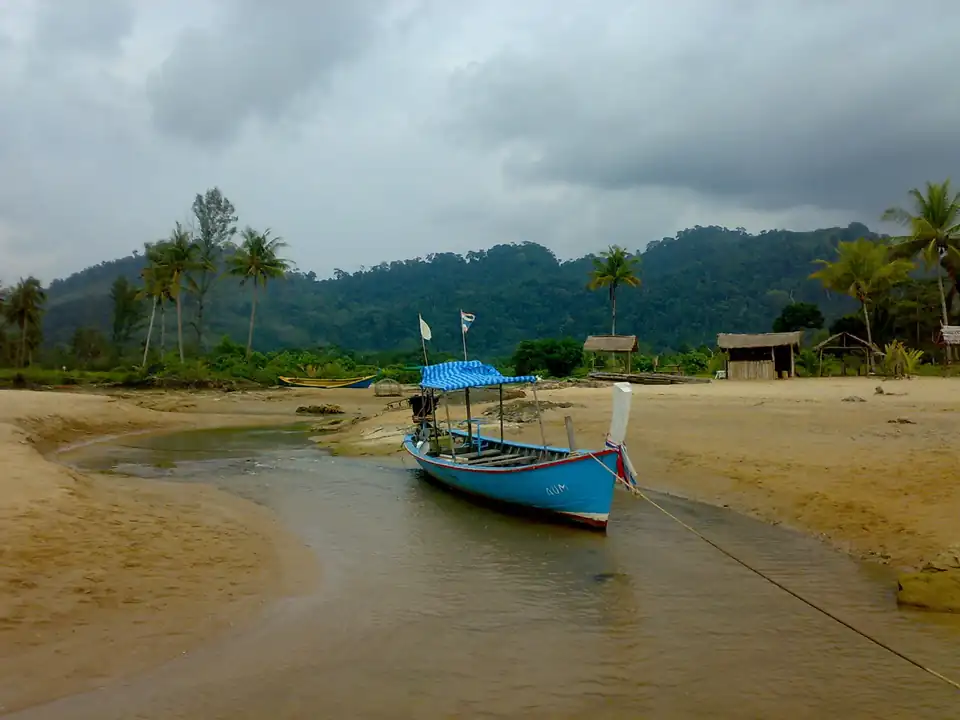
The beach is wide and long, backed by a lagoon and casuarinas rather than by a strip, so the accommodation sits a short walk back from the sand rather than on it.
Best for families, second visits, anyone who wants walkable without wanting the strip. Sea: identical figures to Nang Thong, because the two share one marine grid cell.
Khuk Khak
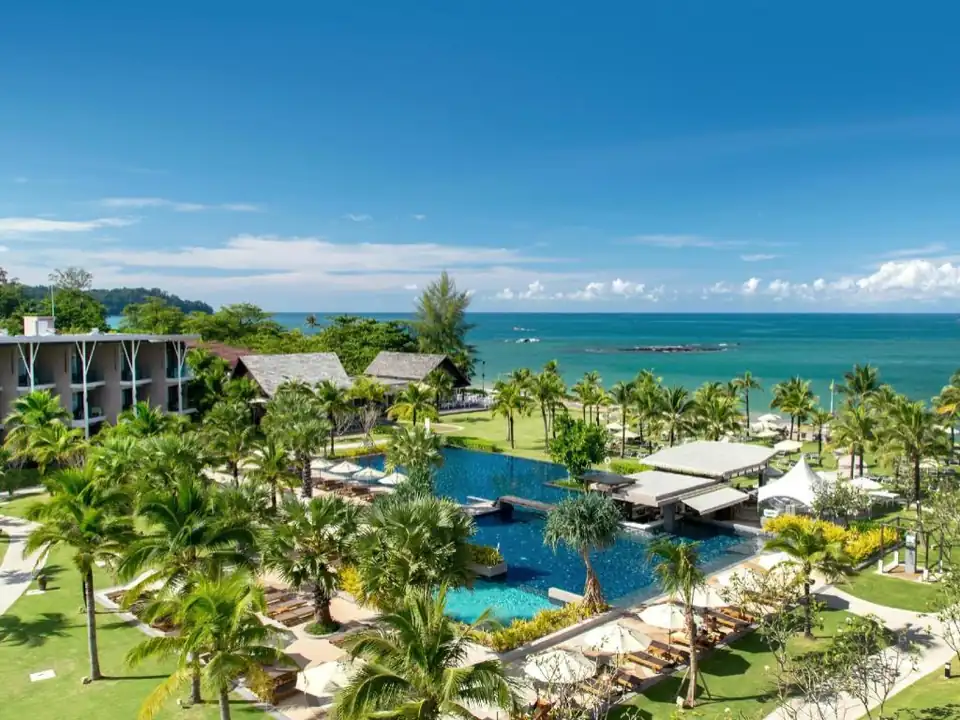
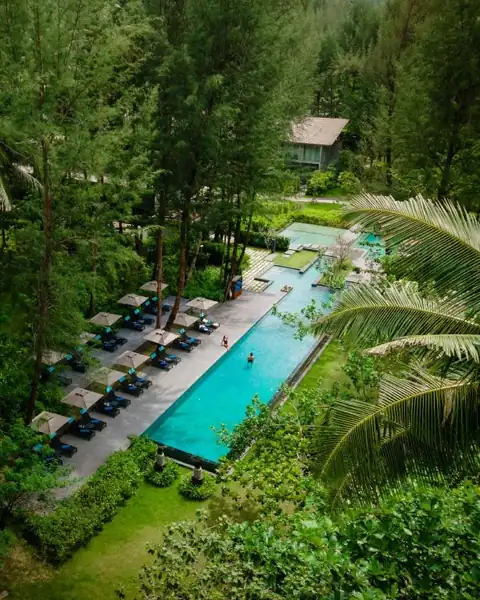
North again, and the character changes. This is where the larger resorts sit in their own grounds, set back from the road, with a kilometre or so between neighbours. There is very little outside them: a scattering of restaurants along the road and no strip in any sense.
It is quiet, the sand is emptier, and if you intend to use the resort it is an excellent choice. If you intend to leave it every evening, budget for the taxi.
Best for resort holidays, couples, quiet. Not for a first visit without transport. Sea: 0.29 metres in February, 0.87 in July.
Pakarang Cape
A headland rather than a beach, with reef and shallow flats offshore. It is the kite-surfing end of the coast and the wind that makes that work is the same wind that makes it an odd choice for a swimming holiday. At low tide the water goes a long way out over rock and coral rubble.
Best for kitesurfing, a specific resort you have chosen deliberately. Not for a general beach week. Sea: shares Khuk Khak’s cell and its figures, though what the water does at the shoreline here is a different matter from what the model says.
Bang Sak, the northern end
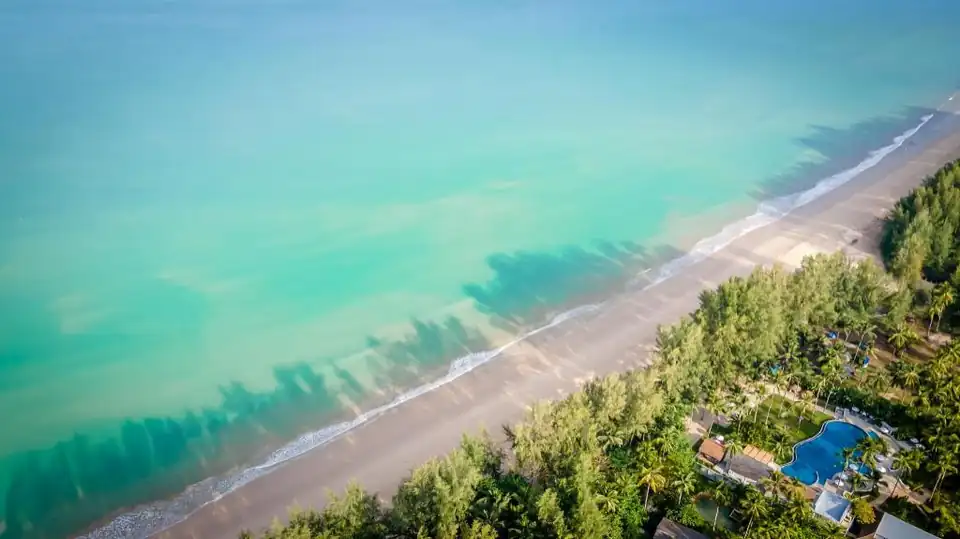
The far north: casuarina trees, several kilometres of almost empty sand, a handful of large resorts and effectively nothing else. It is the emptiest beach within reach of Khao Lak and it is a forty-minute drive from Nang Thong’s restaurants.
It also has the calmest water on the coast, 0.79 metres in July against Nang Thong’s 0.93, which is a real if modest difference and holds every month.
Best for honeymoons, long stays, people who genuinely do not intend to leave. Not for anyone who will want a choice of restaurants by day three.
The gradient, and how much it matters
The sea gets calmer as you go north along this coast, consistently, by about fifteen per cent between the two ends. That is measurable and it is real, and it is smaller than the difference between being able to walk to dinner and not.
Book on walkability first and on the wave column second. The exception is the shoulder months of April and November, when the swell is building or dropping and fifteen per cent is the difference between swimming and paddling. The full month-by-month series is on the weather page.
What the season does to the choice
From December to March everything is open and the decision is purely about the beach. From May to October the Similans are closed, dive operations wind down, and a proportion of restaurants and smaller places shut for part of it.
That changes the calculus: in the monsoon, the walkable stretches are the ones still worth being on, because a quiet northern resort with a closed restaurant road behind it is a long way from anything. If you are coming out of season, stay at Nang Thong or Bang Niang.
What there is to do once you have chosen is on things to do, and the coast as a whole is on the Khao Lak guide.
Where to stay, area by area
Well-rated stays in Nang Thong
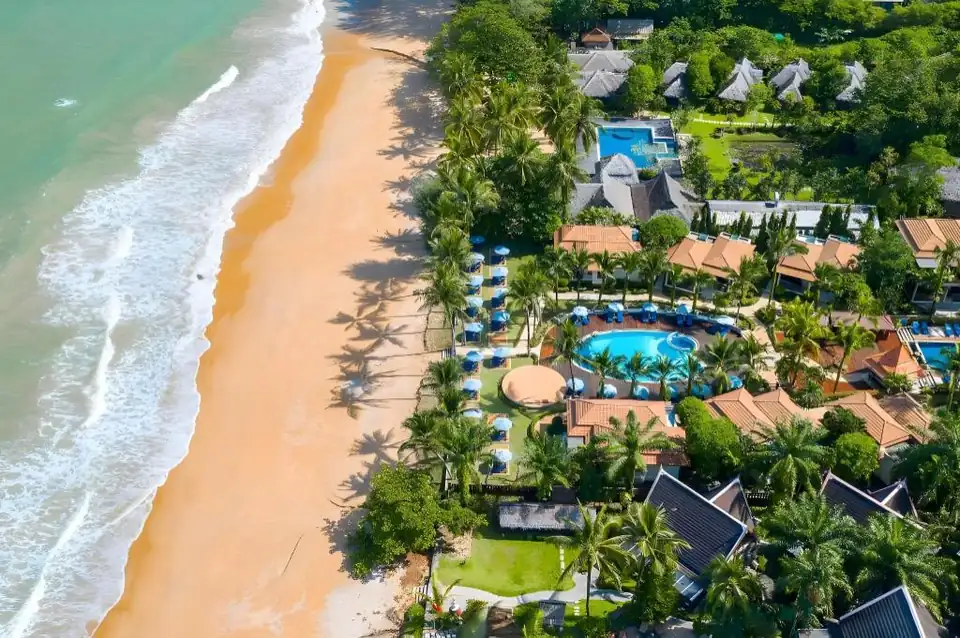
Well-rated stays in Bang Niang
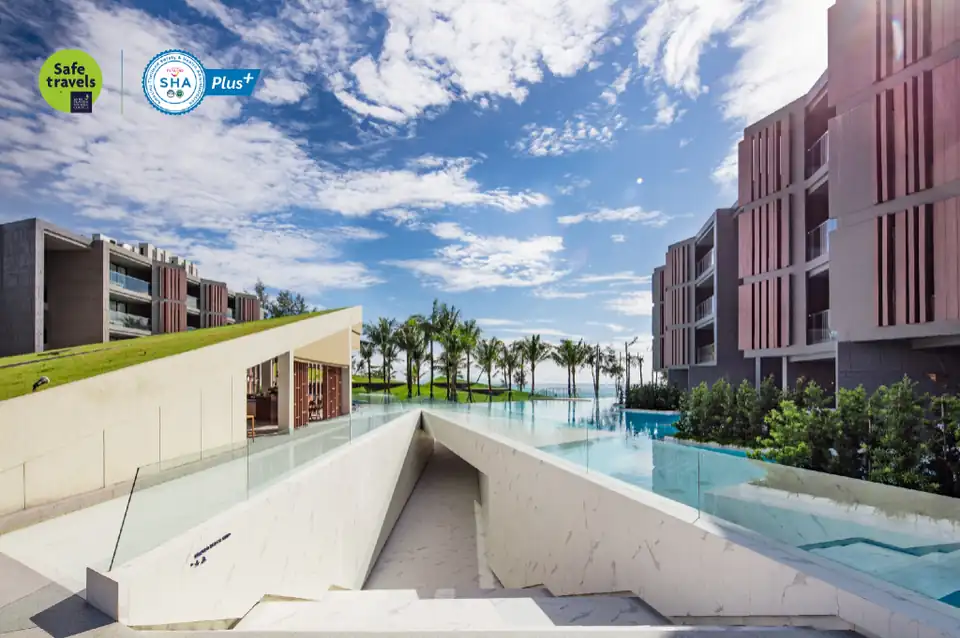
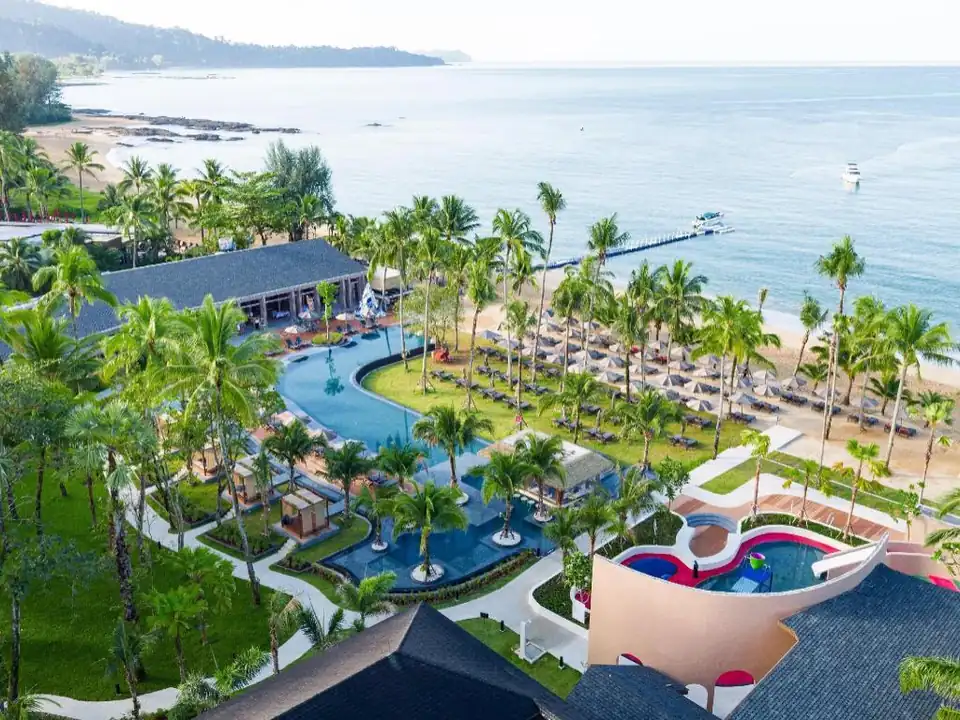
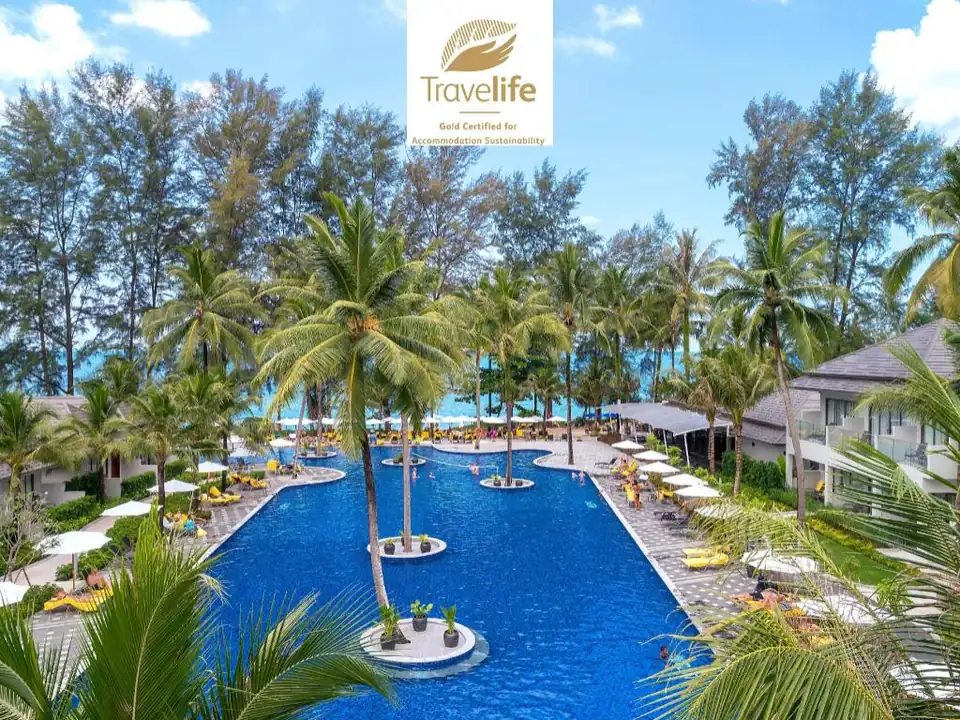
Well-rated stays in Khuk Khak
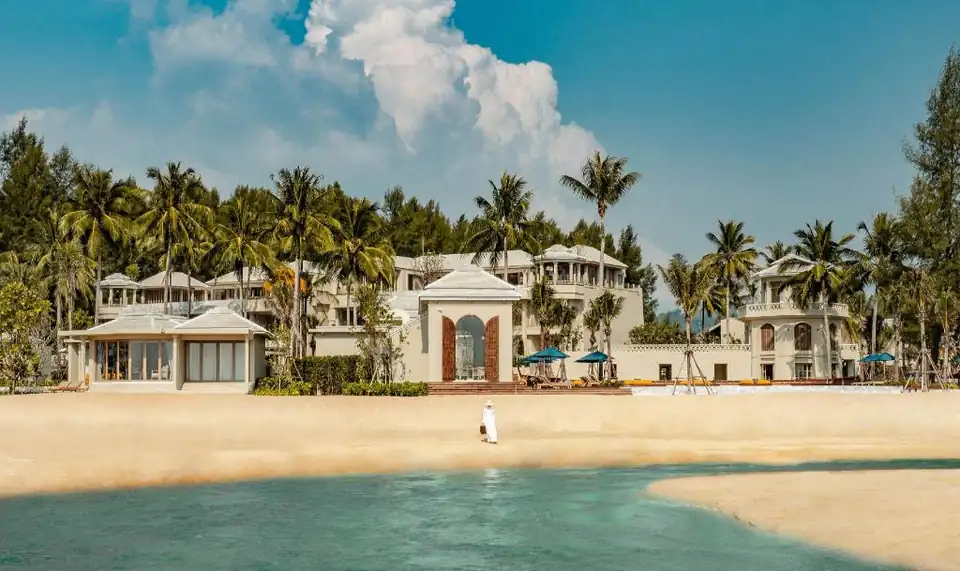
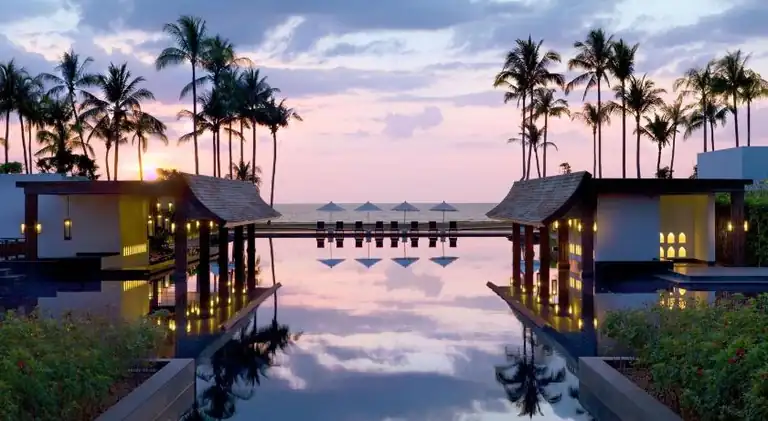
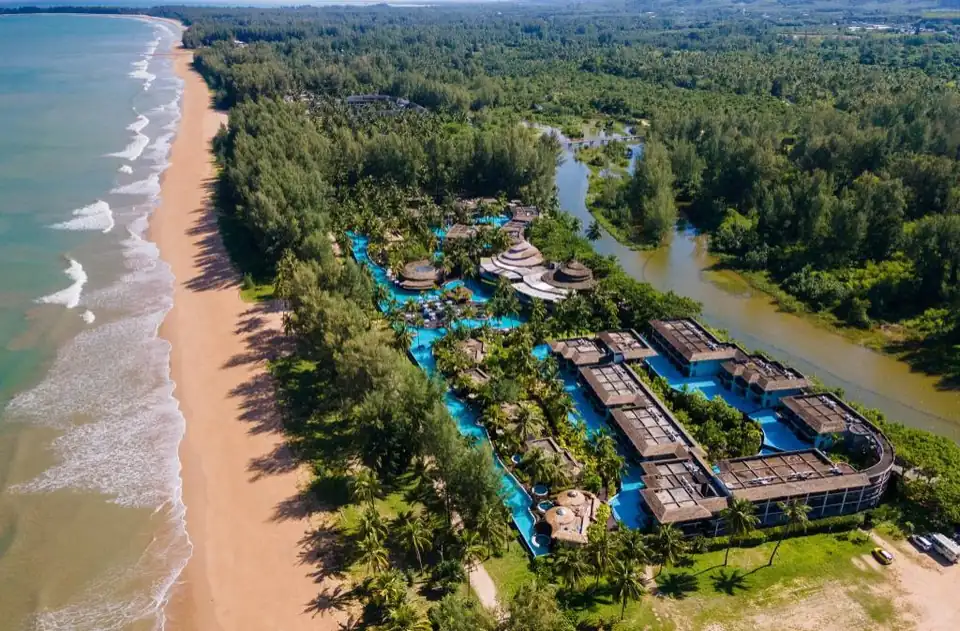
Well-rated stays in Bang Sak
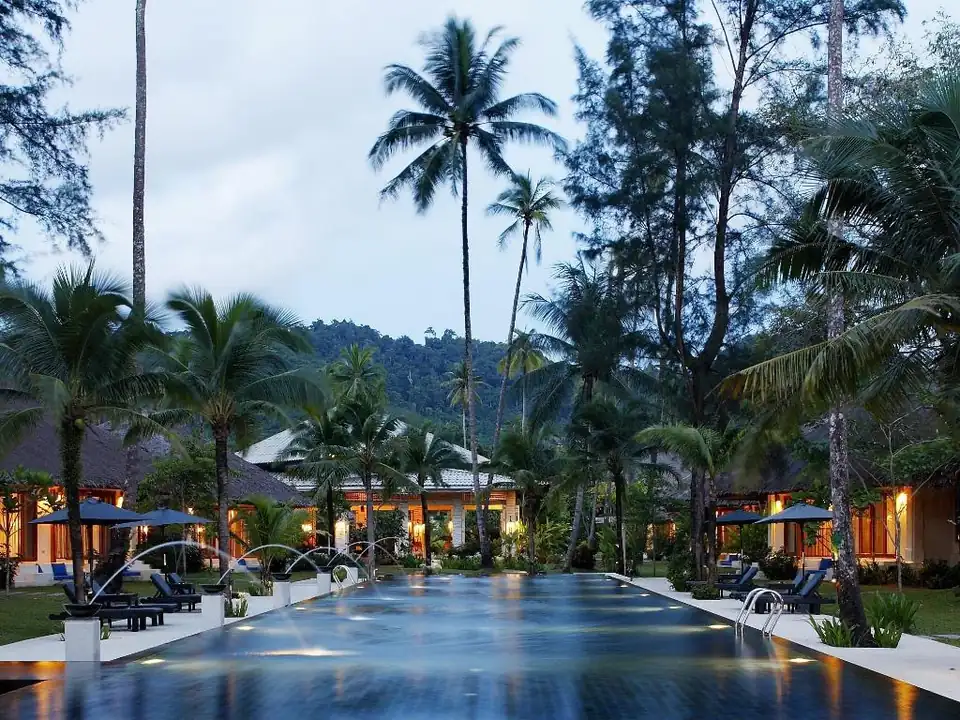
Every area above lists the best-rated properties closest to it, ranked on Agoda’s guest score weighted by how many reviews stand behind it, so a high score across a handful of stays does not outrank a slightly lower one across thousands. We have not stayed in them: the ranking is Agoda’s data, not our verdict. Scores and review counts read on 2026-09-03.
Where to Stay in Khao Lak FAQs
Which is the best area to stay in Khao Lak?+
Nang Thong or Bang Niang for a first visit. They are the two stretches with restaurants, shops and a night market within walking distance, and everything else on this coast requires transport for every meal. Khuk Khak and Bang Sak are for people who want the resort to be the holiday.
Is Khao Lak walkable?+
In parts. Nang Thong and Bang Niang each have a strip behind the sand you can walk end to end. North of them the resorts sit in their own grounds off the main road, with a kilometre or more between one and the next, and no pavement worth the name. That is the single decision this page is about.
Do you need a car in Khao Lak?+
If you stay at Nang Thong or Bang Niang, no. If you stay anywhere north of Khuk Khak, effectively yes, or a taxi for every dinner. Scooters are common and the main road is fast, straight and carries lorries, which makes it a different proposition from a quiet island lane.
Which Khao Lak beach has the calmest sea?+
Bang Sak at the northern end, and the gradient is consistent: it averages 0.79 metres of wave height in July against 0.93 at Nang Thong in the south, and the same ordering holds in every month. The whole coast is calmer than Phuket's west side in all twelve months.
Is Khao Lak good for families?+
Yes, and it is the quiet argument for it over Phuket: low-rise resorts, calmer water, no nightlife to speak of and very little traffic on the beach. The caution is the main road, which is fast, and the monsoon sea from May to October, which is still an exposed west-facing coast.
Does everything close in Khao Lak out of season?+
Not everything, but enough to notice. The Similan Islands close for the monsoon, dive operations follow them, and a proportion of restaurants and smaller resorts shut for part of May to October. Nang Thong and Bang Niang stay open in some form; the quieter northern stretches empty out considerably.