The Jim Thompson House is a small museum built from six antique teak houses assembled on the bank of Khlong Saen Saep, a canal near what is now the National Stadium BTS station. It belonged to Jim Thompson, an American who revived Thailand’s silk industry after the Second World War, and it still holds the Southeast Asian art he collected before he disappeared on a walk in Malaysia in 1967. The compound survives largely as he left it, which is part of why it draws visitors who might otherwise skip a house museum.
Who was Jim Thompson
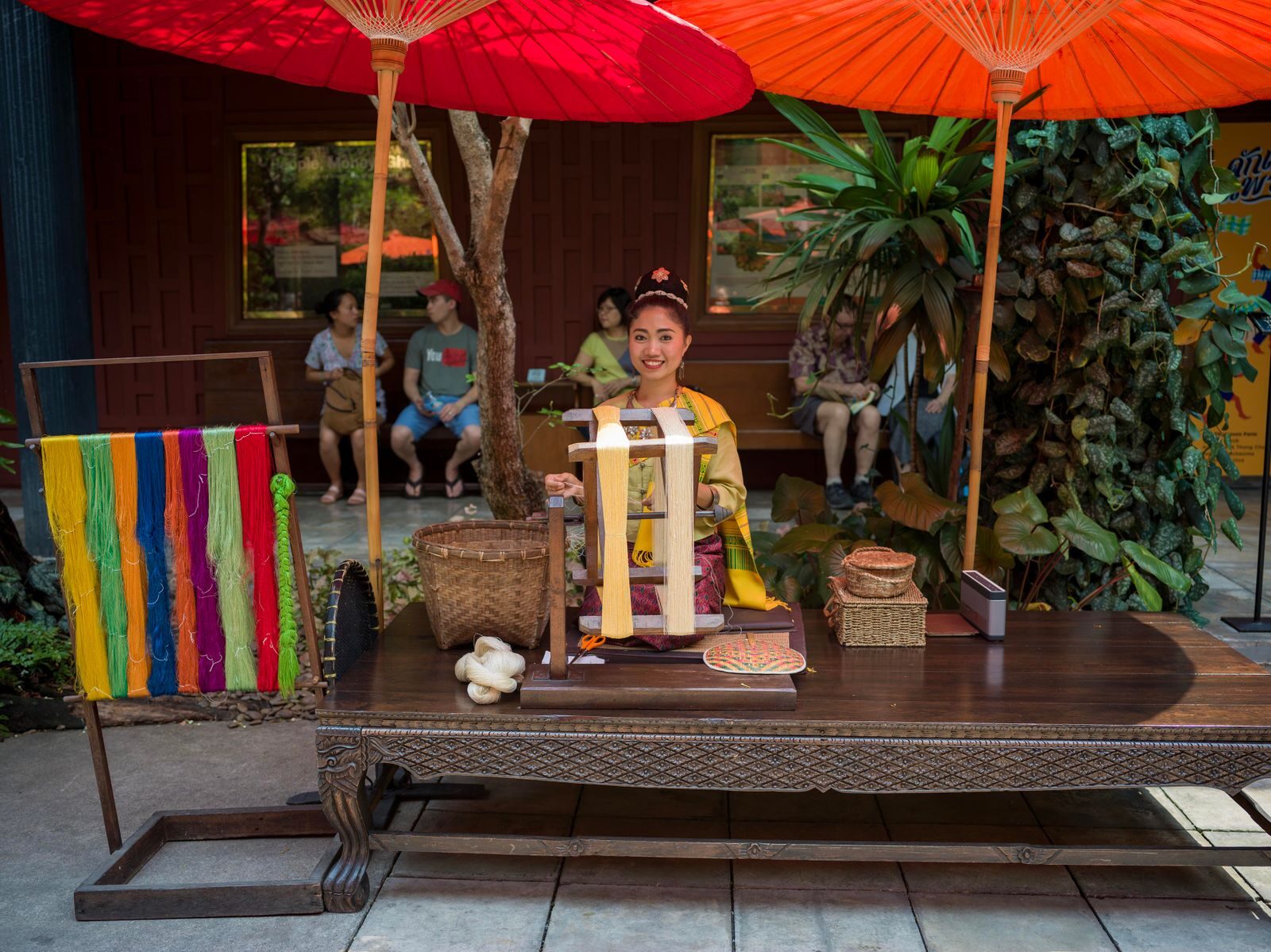
Jim Thompson was an American architect turned businessman who settled in Bangkok after the Second World War. Thai silk weaving was a small, mostly rural craft at the time, made in limited quantities for local use. Thompson saw its potential, worked with weavers to standardise quality and colour, and built an export market for it that reached fashion houses and interior designers abroad. The Thai Silk Company he founded is still trading today, and the revival he helped start is one reason Thai silk has the international reputation it does.
Thompson used his profits and his eye for design to build a home unlike anything else in Bangkok. In 1959 he bought six old teak houses, some from Ayutthaya and some from Bangkok, had them dismantled board by board, and had them rebuilt as one connected residence on the canal. Traditional Thai teak houses use no nails, which is exactly what made this kind of move possible: the joinery could be taken apart and put back together in a new arrangement.
The disappearance
On 26 March 1967, while on holiday in the Cameron Highlands of Malaysia, Jim Thompson went for an afternoon walk and never came back. No body was ever found, no ransom note appeared, and decades of theories, from a tiger attack to Cold War intrigue, have never produced a conclusive answer. The case is still widely discussed as one of Southeast Asia’s enduring unsolved mysteries, and it is part of what visitors ask about on the house tour, alongside the silk business and the architecture.
What you’ll see inside
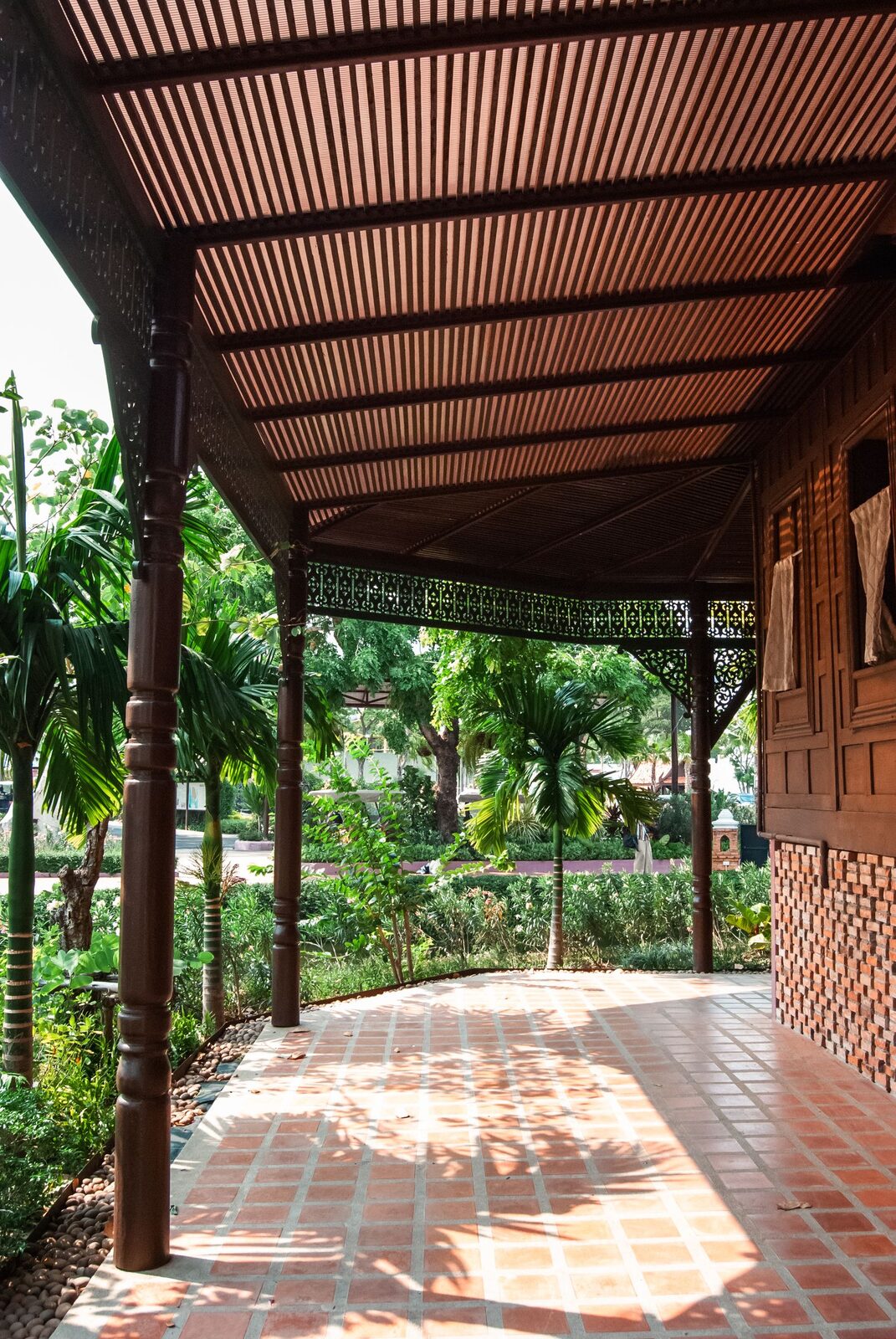
The six houses are raised on stilts in the traditional style and connected by covered walkways, with the interior walls turned to face inward, a reversal of how the boards would have sat on the original houses. Inside, guides lead small groups through rooms that hold Thompson’s collection of Southeast Asian art and antiques: Buddhist sculpture, Chinese porcelain, Ban Chiang pottery and Burmese carvings, arranged much as he displayed them himself. His bedroom and personal effects are also part of the tour, kept close to how they looked before he left for that last trip.
The grounds are compact but well kept, with a tropical garden running down to the canal and a small pond. There is a museum shop selling silk goods and homeware, and a restaurant on site where you can get lunch or a drink without leaving the compound. Photography rules vary by area of the house, so ask your guide before shooting inside the rooms.
Visiting practicalities
You cannot wander the house on your own. Entry is by guided tour, run in small groups on a rolling schedule, and the ticket price includes the guide. Dress modestly, as you would for a temple: covered shoulders and knees are the safer default, and you may be asked to remove your shoes at certain thresholds. The rooms are not air-conditioned in the way a modern museum would be, so mornings are more comfortable than midday, and weekends bring noticeably larger tour groups than weekdays.
Practical tip
Tours leave roughly every twenty to thirty minutes and groups do fill up on busy weekends, so turning up early in the day gives you a better shot at joining the next one instead of waiting around the shop and garden for a slot.
Getting there and nearby tours
The house sits a short walk from BTS National Stadium, down Soi Kasemsan 2 off Rama I Road, which puts it within easy reach of Siam and MBK if you’re combining it with a shopping stop. It’s an easy add-on to a day spent around central Bangkok rather than a destination that needs its own trip.
Tours & tickets near Jim Thompson House
 Free cancellation
 Free cancellation
 Free cancellation
 Free cancellation
 Free cancellation
 Free cancellation
Live availability and prices from Viator. We may earn a commission, at no extra cost to you.
Nearby
Jim Thompson House works well paired with a full day of things to do in Bangkok, most of which cluster around the river and the old city rather than Siam, so plan your transport around that split. If markets suit you better than temples for the second half of the day, Chatuchak Weekend Market is a straightforward BTS-and-MRT ride north, and it’s worth building into a wider look at Bangkok beyond the standard temple circuit.
Jim Thompson House: common questions
Can I visit the Jim Thompson House without a guide?
No. Access is by guided tour only, in small groups, and the tour is included in the entry ticket rather than sold separately.
Is the Jim Thompson House worth visiting if I’m not interested in silk?
Yes, most visitors come for the house and the art collection rather than the silk business itself. The story of how six teak houses became one home, and Thompson’s own disappearance, tend to hold people’s attention as much as the textiles do.
What happened to Jim Thompson?
He disappeared while walking in the Cameron Highlands of Malaysia on 26 March 1967 and was never found. The case remains unresolved, and it’s one of the questions guides get asked most often on the house tour.
How do I get to the Jim Thompson House by BTS?
Take the BTS to National Stadium station and walk a short distance down Soi Kasemsan 2 off Rama I Road. It’s close enough to Siam and MBK to combine with shopping or a meal.
Planning more of Bangkok
See the full spread of temples, markets and neighbourhoods worth your time, or start from the city overview if you’re still mapping out your trip.