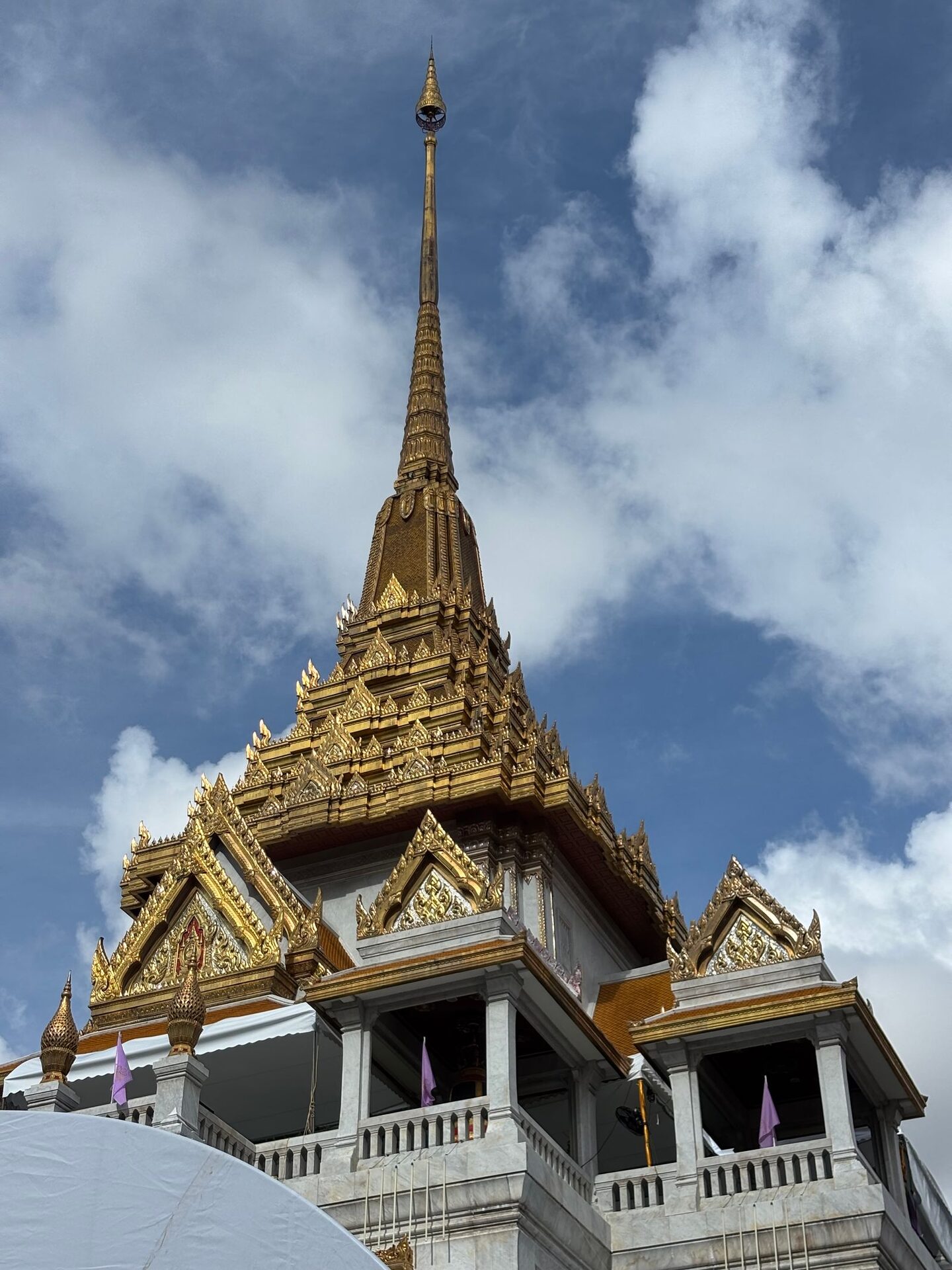

Wat Traimit sits at the edge of Chinatown, a short walk from the old Hua Lamphong railway building, and it holds something that draws people who otherwise never set foot in a temple: a seated Buddha cast entirely in gold, weighing more than five tonnes. For most of the twentieth century nobody knew it was there. It looked like an unremarkable plaster statue until an accident during a move cracked the stucco and gold showed through underneath.
The statue that hid in plain sight
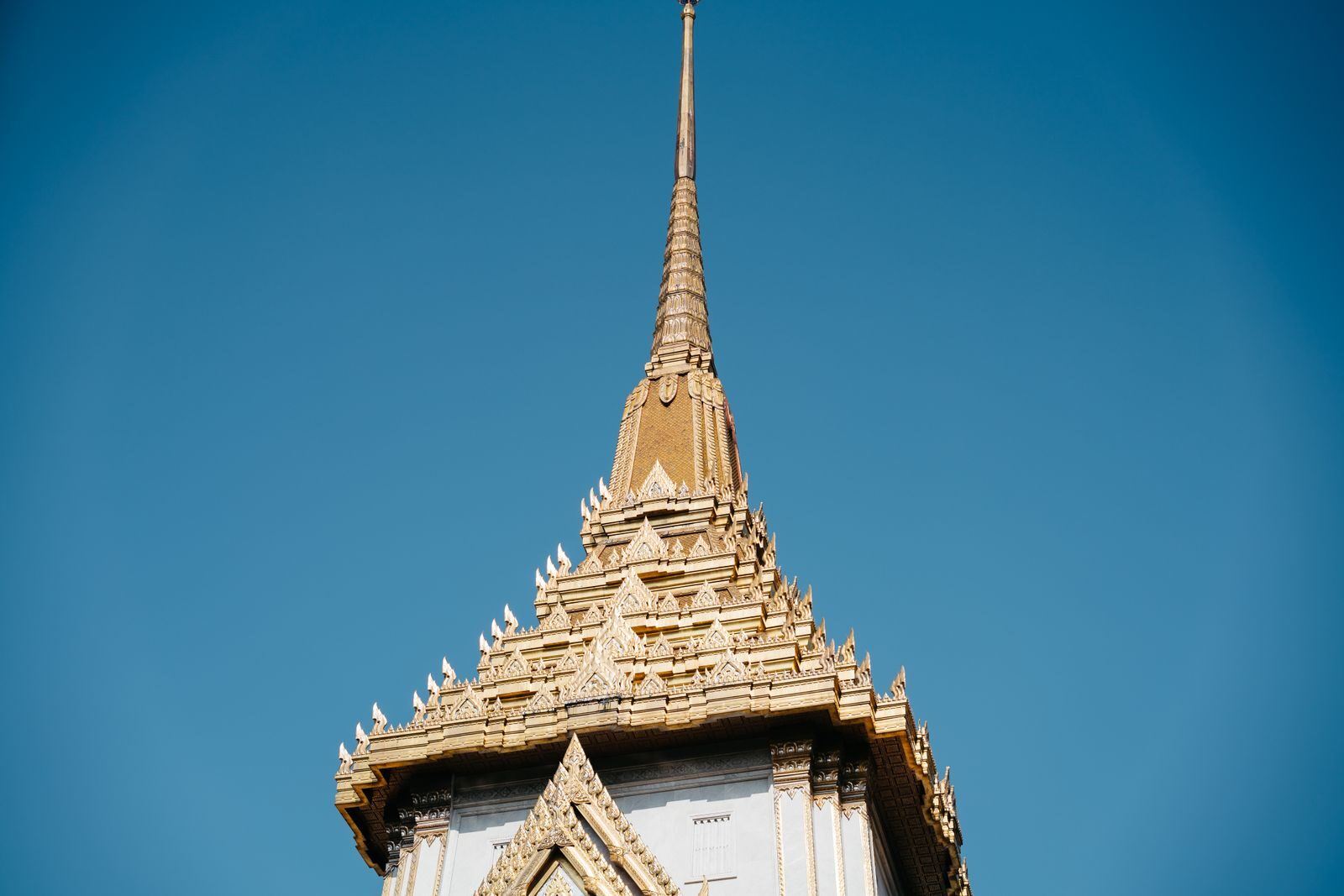
The Buddha at Wat Traimit is done in the Sukhothai style, seated in the earth-touching gesture, and it is cast almost entirely from gold. Historians generally date the piece to somewhere between the Sukhothai and early Ayutthaya periods, made at a time when a statue like this needed to be protected from the armies and raiders that periodically threatened Thai cities. The most likely explanation for the plaster is that it was applied deliberately, probably ahead of the fall of Ayutthaya in 1767, to disguise the statue’s value and keep it from being melted down or carried off.
Whatever the exact reason, the disguise worked for roughly two centuries. The plaster Buddha was moved between temples more than once and spent years sitting outdoors under a corrugated roof, valued as a devotional object but not recognised for what it actually was. The truth came out in the mid-1950s, when the statue was being relocated to its current hall at Wat Traimit and a crane operator, watching it swing on ropes, saw the stucco crack. Underneath was gold.
What to see
The Golden Buddha itself sits in an upper-floor hall reached by an escalator, a modern addition that makes sense once you realise how many visitors the statue draws. The image is close to three metres tall and its surface still shows the seams and slight colour variation of the different gold sections cast and joined centuries ago, a small detail that rewards looking closely rather than snapping a photo and moving on.
Below the hall, a compact museum sets out the story of the statue’s rediscovery alongside a broader history of Chinese migration into Bangkok and the growth of Chinatown around Yaowarat Road. It is a useful stop if you want context before or after wandering the neighbourhood outside, and it is quieter than the hall itself, which can get busy with tour groups around midday.
Visiting etiquette
Wat Traimit is an active temple, not a museum piece on its own, so the usual rules for Thai temples apply. Cover your shoulders and knees, take your shoes off before stepping into the hall with the Buddha, and keep your voice down while people are praying nearby. Photography is generally allowed but avoid using flash or standing in front of anyone in prayer to get a shot. Staff can point you toward a place to buy or borrow a wrap if you turn up under-dressed, but it is easier to plan ahead.
Getting there and combining the visit
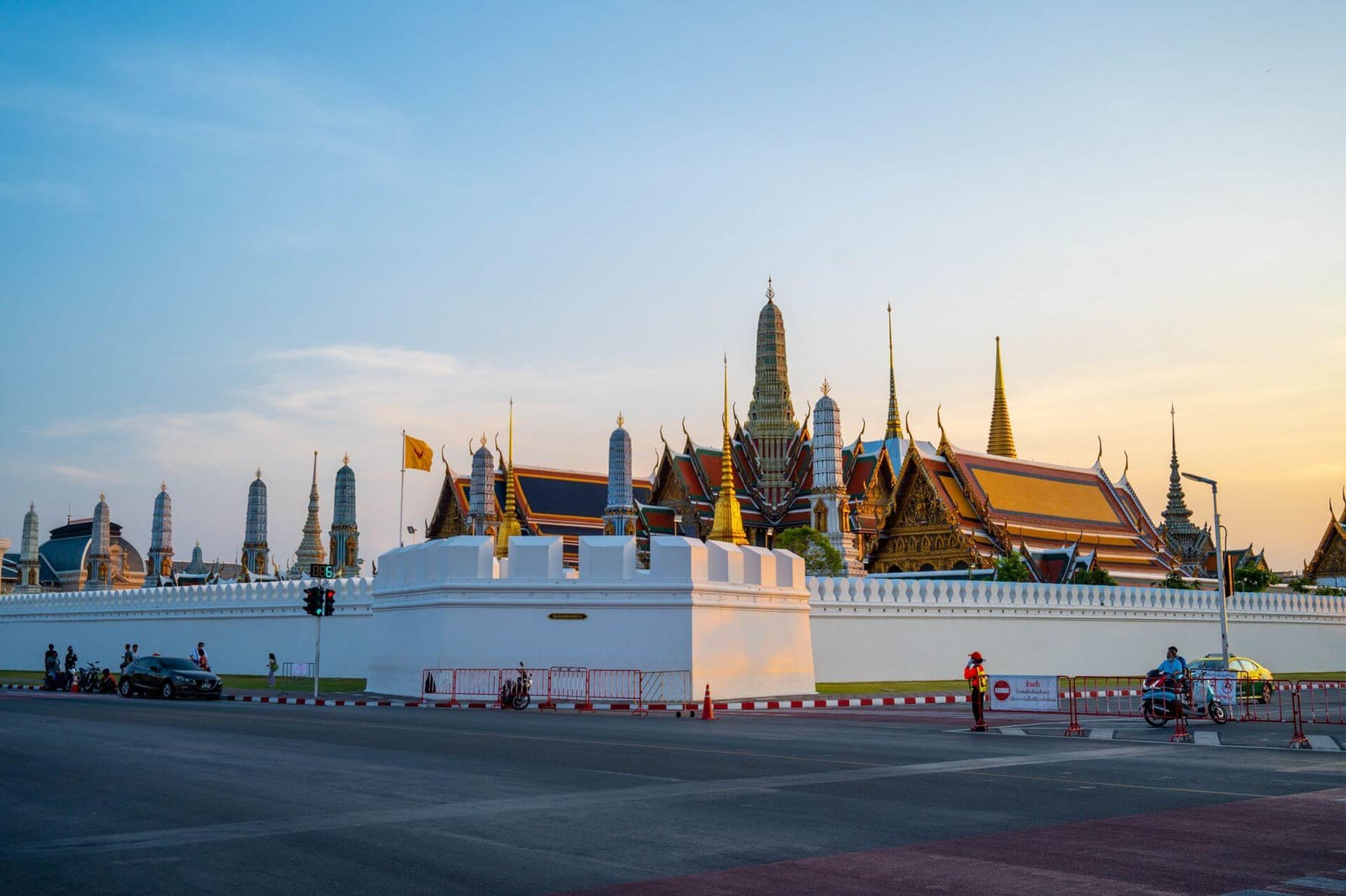
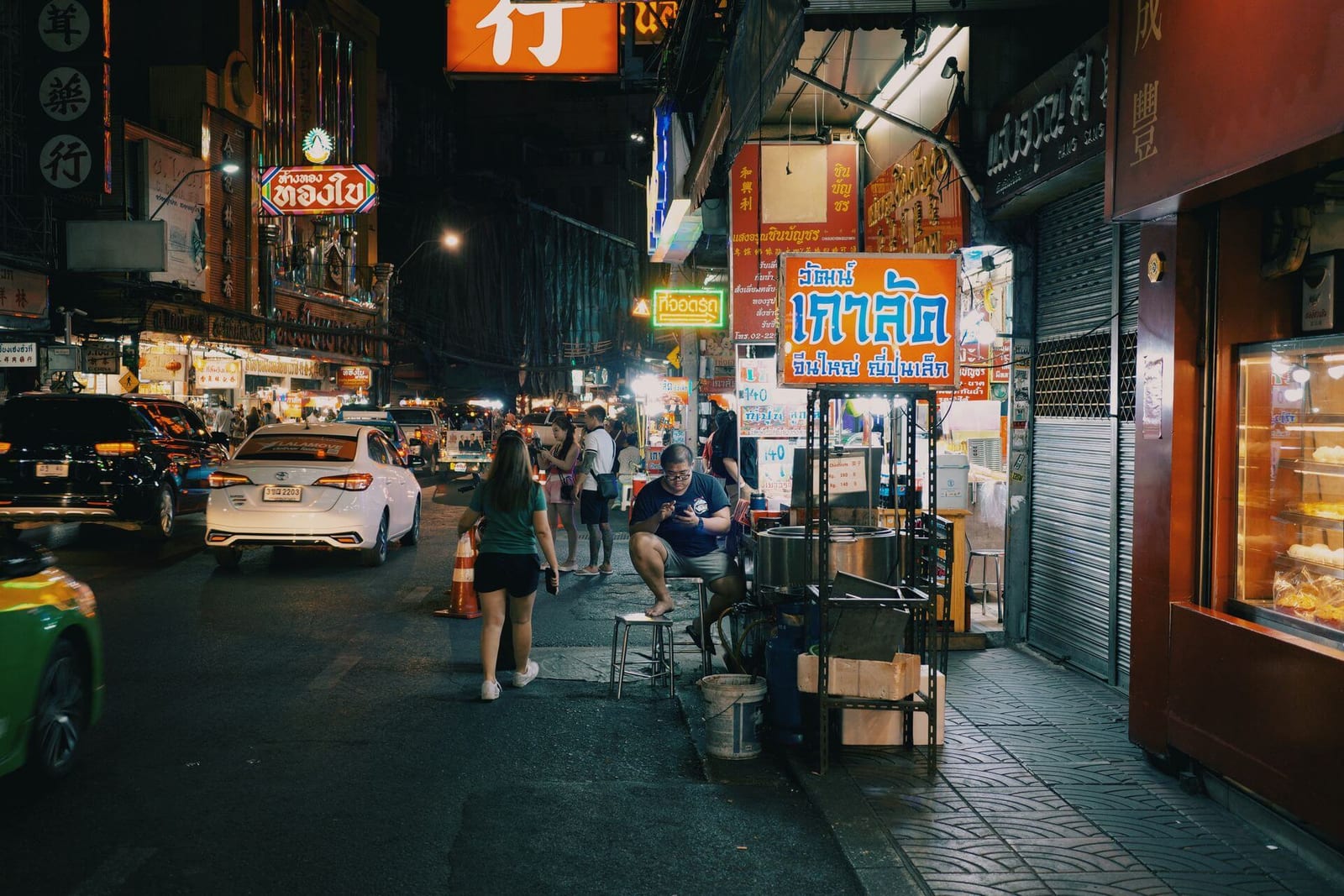
The temple is easy to reach on the MRT, with Wat Mangkon station a few minutes’ walk away and Hua Lamphong not far beyond that. Because it sits right on the boundary of Chinatown, most visitors treat Wat Traimit as one stop on a longer walk through Yaowarat rather than a destination on its own, pairing the temple with the neighbourhood’s markets, gold shops and street food in the same trip. If you are working through a wider Bangkok itinerary, it also sits at a reasonable distance from the Grand Palace and Wat Pho, close enough to fold into the same day if you start early.
Tours & tickets near Wat Traimit
 Free cancellation
 Free cancellation
 Free cancellation
 Free cancellation
 Free cancellation
 Free cancellation
Live availability and prices from Viator. We may earn a commission, at no extra cost to you.
Practical tip
Go before mid-morning if you can. The escalator up to the Golden Buddha hall funnels everyone through a fairly narrow space, and once a couple of tour buses arrive it turns into a queue rather than a viewing. Coming early also means Yaowarat’s food stalls outside are just setting up, which makes for an easier walk afterward than fighting through the evening crowds.
Wat Traimit: common questions
Why was the Golden Buddha covered in plaster?
The most widely accepted explanation is that the plaster was added to disguise the statue’s value, likely around the time Ayutthaya fell in 1767, so it would not be targeted for its gold. The disguise held for close to two centuries before it was discovered by accident.
How was the gold discovered?
In the 1950s the statue was being moved to its current hall when the ropes slipped during the lift and the plaster cracked against the ground, revealing gold underneath rather than the stone or stucco everyone expected.
Is Wat Traimit free to visit?
The temple grounds are free to enter, but there is a paid entry for the upper hall where the Golden Buddha sits and for the museum below it. Check the official site for current fees before you go.
Can I visit Wat Traimit and Chinatown in the same trip?
Yes, and most people do. The temple sits right at the edge of Chinatown near the old Hua Lamphong station, so it fits naturally into a walk through Yaowarat’s markets and food stalls.
Planning more of Bangkok
See where Wat Traimit fits alongside the city’s other temples and sights.